Preguntas frecuentes
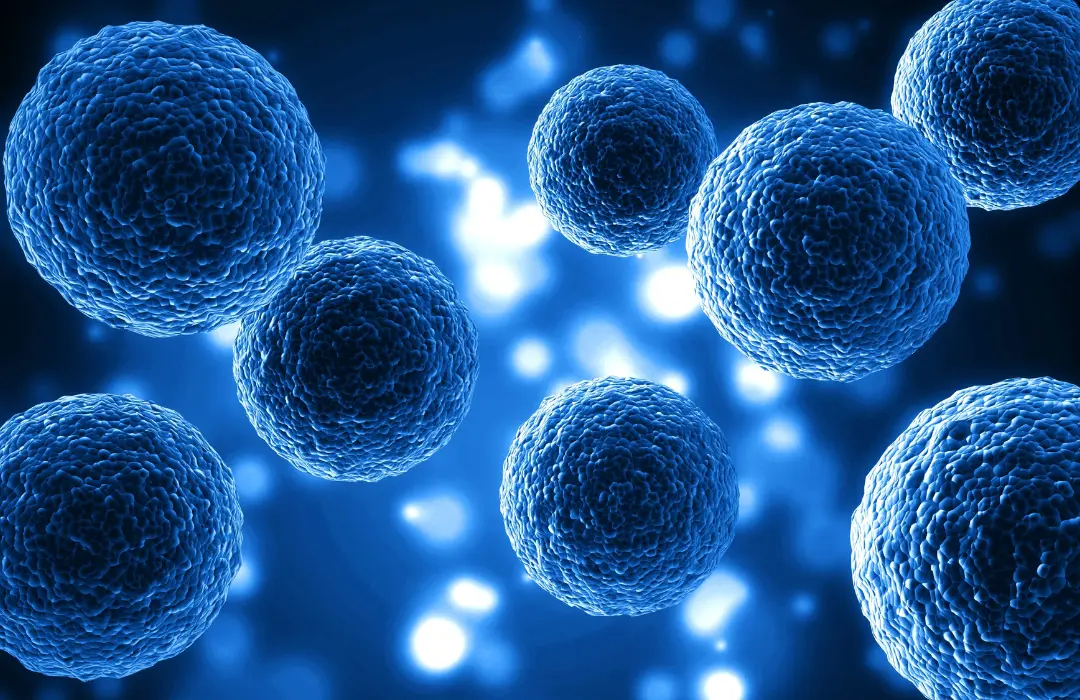
Stem cells are cells from which other cells are derived, by biological mechanisms of differentiation (capacity to generate other cell types) and proliferation (capacity to replicate and divide).
Stem cells present in the umbilical cord are characterized by their biological immaturity and consequently their greater plasticity compared to other adult stem cells.
About cryopreservation:
Cryopreservation stops your biological clock, prevents cellular aging and the biological or environmental degradation experienced over time in our body.
All of the blood cells in your body (white blood cells, red blood cells and platelets) start out as young (immature) cells called hematopoietic stem cells.
Hematopoietic means blood-forming.
These are very young cells that are not fully developed.
Although they start out the same, these stem cells can mature into any type of blood cell, depending on what the body needs when each stem cell is developing.
In a stem cell transplant, blood-forming stem cells are transferred into the bloodstream. They travel to the bone marrow where they replace the cells that were destroyed by the treatment. The blood-forming stem cells used in transplants come from the bone marrow, bloodstream or umbilical cord.
Stem cell transplants generally do not work directly against cancer. Instead, they help the recipient regain its ability to produce stem cells after treatment with very high doses of radiation therapy or chemotherapy, or both.
How long does a stem cell transplant take?
A transplant is a process that can take a few months to complete.
The process begins with treatment with high doses of chemotherapy, radiation therapy, or a combination of the two. This treatment lasts a week or two.
When you are finished, you will have a few days of rest. In the next procedure, you will receive the blood-forming stem cells. You will be given the stem cells through an intravenous catheter. This process is like getting a blood transfusion.
The process of receiving all the stem cells takes 1 to 5 hours. After receiving the stem cells, you begin the recovery phase. During this time, you wait for the blood cells you received to start producing new blood cells.
The Worldwide Network for Blood and Marrow Transplantation (WBMT) recently announced this milestone that was reached at the end of 2012.
The WBMT is a non-profit scientific organization whose mission is to promote excellence in the field of blood stem cell transplantation, hematopoietic progenitor donation and cell therapy.
"The one million transplants is a figure that may surprise many people as blood stem cell transplants were seen as an uncommon procedure until the end of the 20th century," commented Prof. Niederwieser, president of the WBMT
There are a number of international institutions that coordinate, certify and protocolize the use of stem cells for banking, transport and therapeutic applications.
REDMO Bone Marrow Donor Registry Spain
WBMT World Network for Blood and Bone Marrow Transplantation https://www.wbmt.org/
FACT Foundation for the Accreditation of cellular therapy https://accredited.factglobal.org/
FDA Food and Drug Administration https://www.fda.gov/
José Carreras Foundation https://www.fcarreras.org/es
Parents Guides https://parentsguidecordblood.org/en
It is both present and future.
There are currently more than seventy diseases described for which there is a direct application of umbilical cord blood stem cells.
The three areas of greatest application are regenerative medicine, immune system treatments and cancer therapies.
In recent years, stem cell clinical trials have taken the new field in many new directions. While numerous teams continue to refine and expand the role of cord blood and spinal cord stem cells for their cutting-edge uses in blood and immune diseases, many others are attempting to expand the uses of the various types of stem cells present in the spinal cord and cord blood, specifically mesenchymal stem cells, to uses beyond those that could be achieved by replacing cells in their own lineage.
Author: Alan Trounson
Hematopoietic stem cells give rise to all the cells that form the blood and therefore apply to diseases such as leukemias, anemias, lymphomas... and mesenchymal stem cells are responsible for the formation of the skeleton, muscles, tendons...

Post-transplant success

Post-transplant success according to stem cell origin
Every human being is genetically unique. Storing the umbilical cord blood of all children in a family increases the chances of compatibility. In the case of twins, it is recommended to collect cord blood from both babies. Although the volume collected per baby is lower in multiple pregnancies, collecting blood for both babies helps ensure a greater number of stem cells, even in the case of identical twins.
ACB is a multinational biomedical company with headquarters in the United States, Spain, Ecuador, Colombia, and Chile. It has a backup bank located in New Jersey, USA, called Vitalant, whose main objective is to ensure that in the event of an adverse situation, we have a suitable place to send all the samples, thus guaranteeing that they will be in a suitable place with the best technology.
During childbirth, certain situations may arise that you should be aware of. 1. If the sample cannot be taken due to a medical condition, 100% of the money paid will be refunded. 2. If one of the two samples does not meet the conditions for processing and cryopreservation, a 30% discount will be applied to the plan price, and the family will pay the remaining 70%, which covers the collection, processing, and cryopreservation of the viable sample. 3. If the sample is not viable because it tests positive for an infectious disease, 30% of the plan price will be retained, and the sample will be destroyed for biosafety reasons.