Osteoarthritis
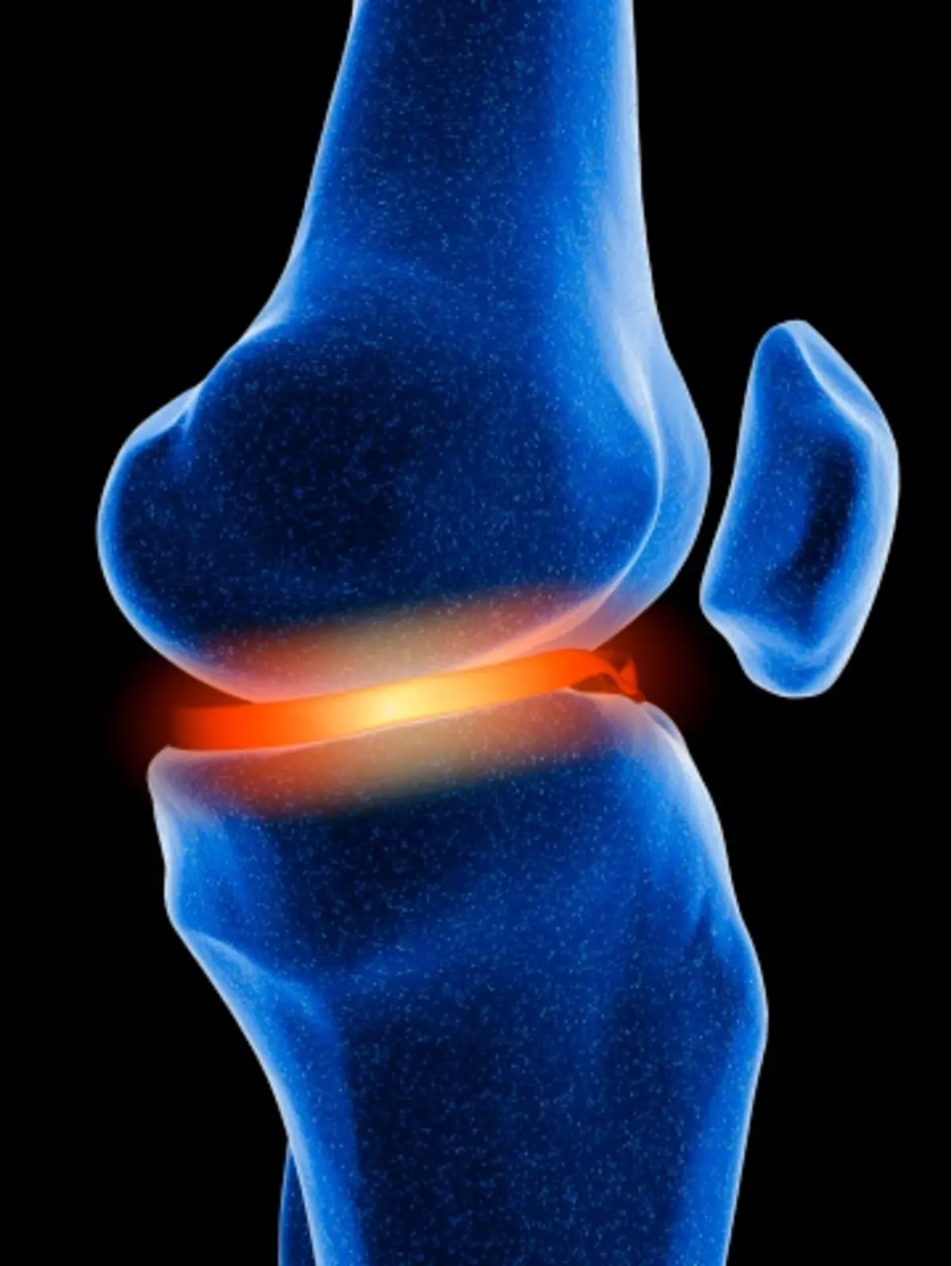
Cartilage is a tissue that acts as a shock absorber, protecting the ends of bones and facilitating joint movement. With osteoarthritis, cartilage loses its cushioning properties. Its gradual elimination can eventually lead to the ends of the bones rubbing directly together, causing excessive pain.
What is osteoarthritis?
Osteoarthritis or arthrosis is the most common of the degenerative joint diseases, defined by the destruction of the hyaline cartilage that covers the various bone surfaces.
- Advanced age. The risk of developing osteoarthritis increases with age.
- Sex. Women are more prone to osteoarthritis, although it is not clear why.
- Genetics. Some people inherit a predisposition to developing osteoarthritis.
- Bone deformities. Some people are born with malformed joints or defective cartilage.
- Repetitive stress on the joint. If your job or a sport you play puts repetitive stress on a joint, that joint could develop osteoarthritis over time.
- Obesity. Being overweight contributes to osteoarthritis in several ways, and the more you weigh, the greater your risk. Excess weight adds stress to weight-bearing joints, such as the hips and knees. In addition, fat tissue produces proteins that can cause inflammation in and around the joints.
- Joint injuries. Injuries, such as those that occur while playing sports or due to an accident, can increase the risk of osteoarthritis. Even injuries that occurred many years ago and that appear to have healed can increase the risk of osteoarthritis.
- Certain metabolic diseases. These include diabetes and a condition in which your body has too much iron (hemochromatosis).
Symptoms of
Osteoarthritis
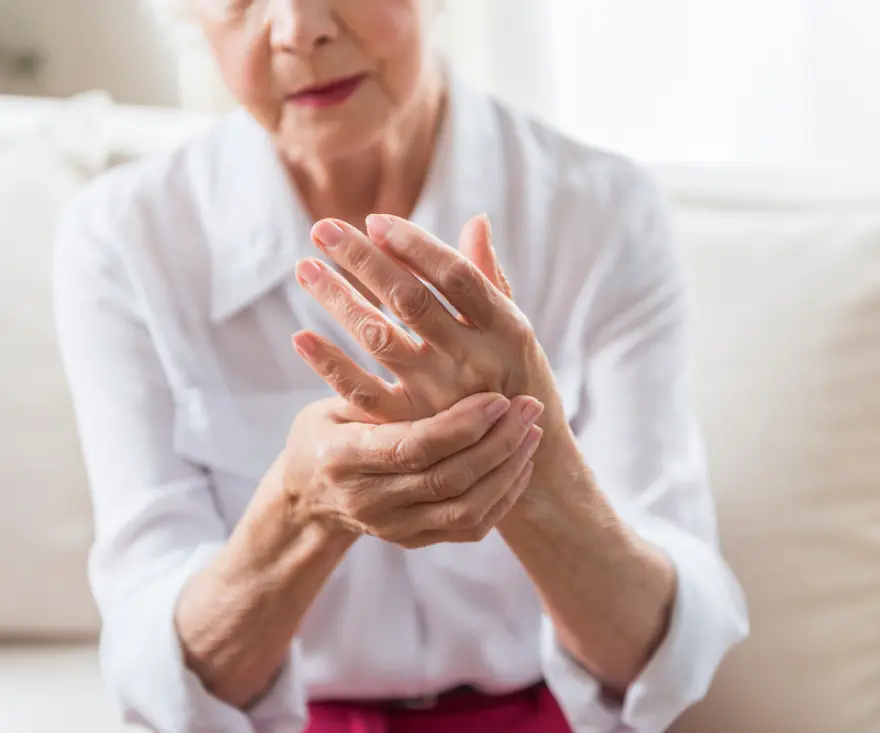
The symptoms of osteoarthritis often develop slowly and worsen over time. Signs and symptoms of osteoarthritis include:
- Pain. The affected joints may hurt during or after movement.
- Swelling. This can be caused by inflammation of the soft tissues around the joint.
- Rigidez. La rigidez en las articulaciones puede ser más notoria al despertar o después de estar inactivo.
- Tenderness. The joint may be tender when slight pressure is applied to or near it.
- Loss of flexibility. It is possible that the joint may not be able to be moved through its full range of motion.
- Squeaking sensation. You may feel a squeaking sensation when using the joint and hear clicking sounds.
- Osteophytes. These extra pieces of bone feel like hard lumps and can form around the affected joint.
Thanks to the combination of biotechnology and regenerative medicine, we can offer you the best results and the best quality of life.
Stem Cells
Mesenchymal MSCs
Of umbilical cord origin, they will help us to reinforce the repairing action that the body itself has, cellular regeneration to fight against aging.
Regenerative medicine based on cell therapy with the use of so-called mesenchymal/stromal cells (MSCs).
Exosomes
Of umbilical cord mesenchymal stem cells origin that will help the stem cells in their repairing action and slow down the aging of our body.
Exosomes are secreted by the multivesicular bodies (MVBs) of cells through their fusion with the cell membrane. A tiny sac-like structure that forms inside a cell and contains some of the cellular proteins as well as portions of the cell’s DNA and RNA.
information?
Contact an advisor here