


Biobank vs. stem cell bank: what are the differences?
Regenerative medicine has transformed the approach to multiple diseases through the development of therapeutic strategies

Regenerative medicine has transformed the approach to multiple diseases through the development of therapeutic strategies
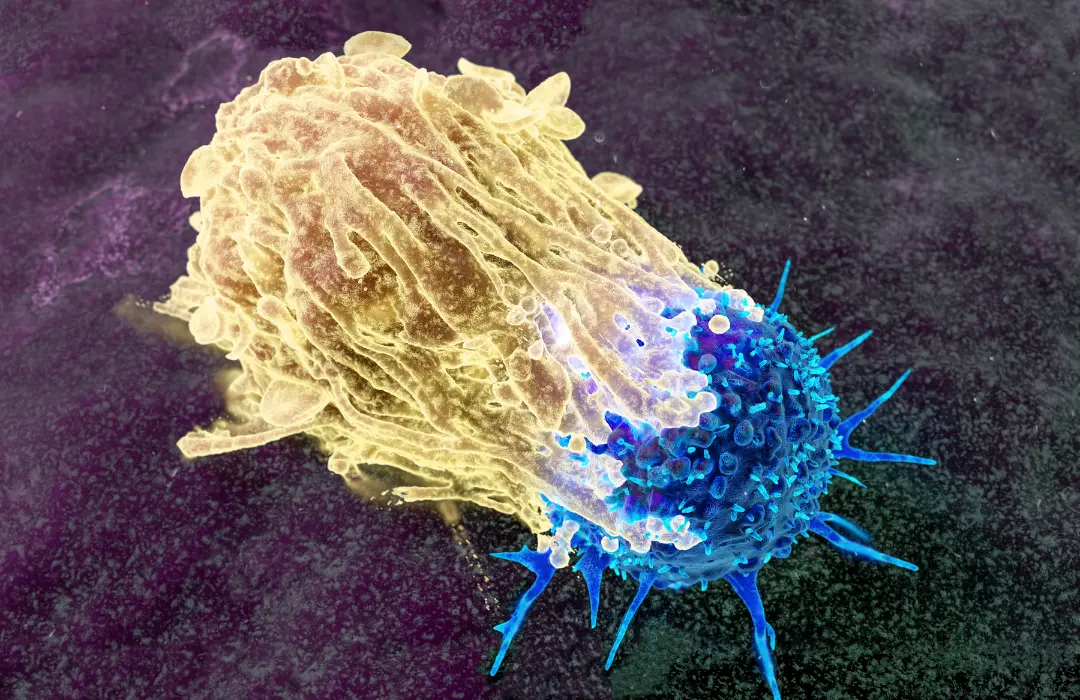
One of the most fascinating aspects of human biology happens at the microscopic level. During
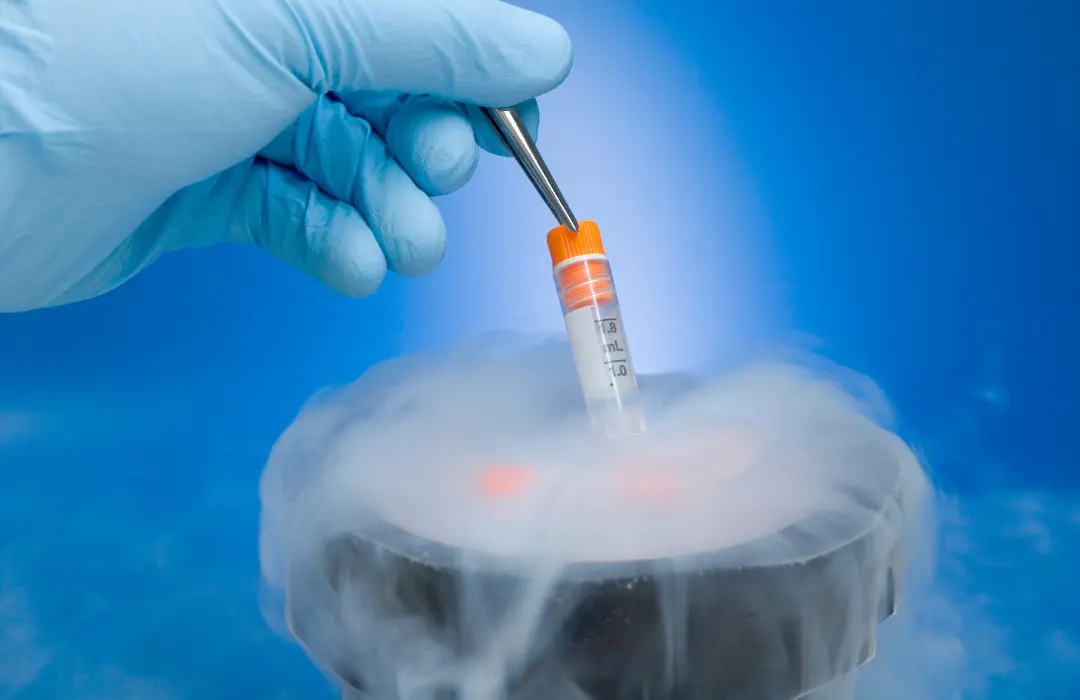
Cellular cryopreservation is one of the most important tools in modern regenerative medicine. Through this
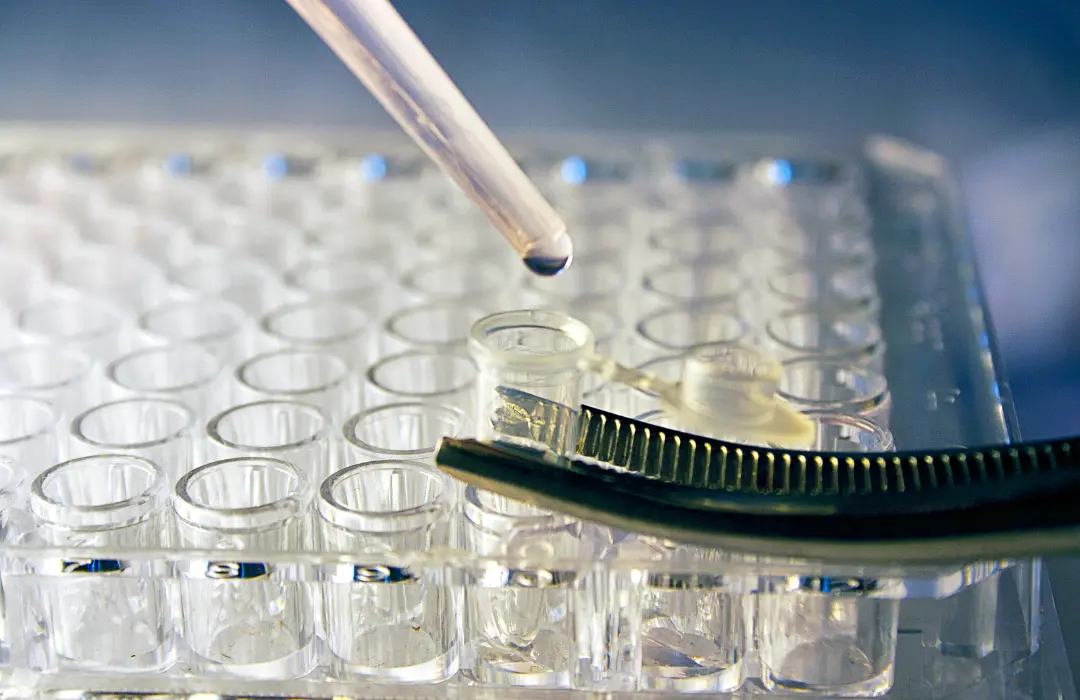
Regenerative medicine has experienced remarkable growth in recent decades thanks to the development of advanced

In recent years, peptides have gained increasing relevance in regenerative medicine, precision medicine, and therapeutic

More and more families are making decisions about their children’s future health even before birth.
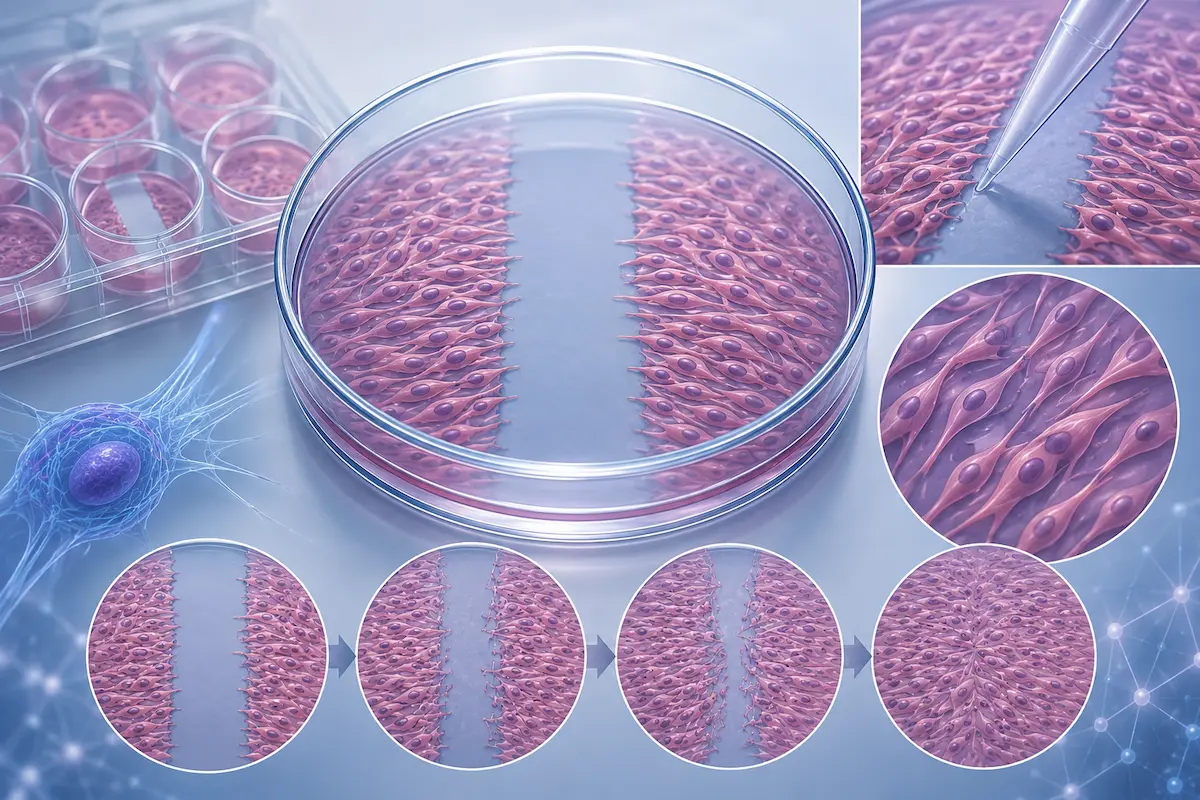
Introduction Regenerative medicine has acquired a fundamental role in the development of new therapeutic strategies

INTRODUCTION Degenerative diseases are a leading cause of disability worldwide, characterized by progressive tissue deterioration,

In recent years, peptides have begun to occupy an increasingly important place within regenerative medicine
Introduction Post-surgical inflammation constitutes an essential physiological response to tissue injury, playing a critical role
Regenerative medicine has transformed the approach to multiple diseases through the development of therapeutic strategies based on cells, tissues, and biomolecules with the capacity to promote the repair and regeneration of damaged tissues. In this
One of the most fascinating aspects of human biology happens at the microscopic level. During an organism’s development, millions of cells must make precise decisions: some will become nervous tissue, others muscle, blood, skin, or
Cellular cryopreservation is one of the most important tools in modern regenerative medicine. Through this technology, it is possible to preserve stem cells and other cell types at cryogenic temperatures of up to -196 °C,
Regenerative medicine has experienced remarkable growth in recent decades thanks to the development of advanced therapies aimed at promoting tissue repair, modulating inflammatory processes, and restoring altered biological functions. Among the strategies that have generated
In recent years, peptides have gained increasing relevance in regenerative medicine, precision medicine, and therapeutic strategies aimed at healthy longevity. Although historically their application was limited to specialized areas of biomedical research, they are now
More and more families are making decisions about their children’s future health even before birth. Among these practices, one that has gained traction in recent years is the collection and storage of umbilical cord stem
Introduction Regenerative medicine has acquired a fundamental role in the development of new therapeutic strategies aimed at the repair and regeneration of damaged tissues. Within this field, exosomes derived from mesenchymal stem cells have aroused
INTRODUCTION Degenerative diseases are a leading cause of disability worldwide, characterized by progressive tissue deterioration, chronic inflammation, and cellular dysfunction (Murphy et al., 2013). Despite therapeutic advances, traditional interventions have shown limitations in modifying the
In recent years, peptides have begun to occupy an increasingly important place within regenerative medicine and longevity therapies. Although for a long time they were little known outside the scientific community, today they are considered
Introduction Post-surgical inflammation constitutes an essential physiological response to tissue injury, playing a critical role in activating repair and regeneration processes. This process is characterized by a complex interaction between immune system cells, inflammatory mediators,