

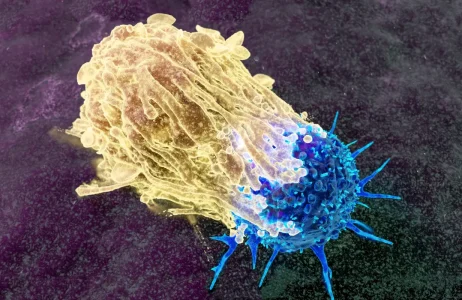
One of the most fascinating aspects of human biology happens at the microscopic level. During an organism’s development, millions of cells must make precise decisions: some will become nervous tissue, others muscle, blood, skin, or complex structures such as the liver, heart, or lungs. But a question arises that for decades has driven much of the research in cell biology and regenerative medicine: how does a cell know what function it must perform and what tissue it must become?
The answer lies in an extraordinarily coordinated combination of genetic information, biochemical signals from the microenvironment, and communication between cells—mechanisms that regulate gene expression and guide the processes of differentiation and tissue development (Alberts et al., 2022; Gilbert & Barresi, 2020).
The unique potential of stem cells
Stem cells have two fundamental characteristics that distinguish them from other cells in the body: the ability to self-renew and the ability to differentiate into various specialized cell types (Morrison & Spradling, 2008; Weissman, 2000).
Self-renewal allows a stem cell to generate new stem cells with the same biological characteristics, maintaining the cellular reservoir over the long term. Differentiation, on the other hand, is the process by which a cell acquires a specific identity and function, giving rise to the different cells that make up the body’s tissues and organs (Gilbert & Barresi, 2020).
Not all stem cells have the same biological potential. Depending on their degree of potency, some can differentiate into a wide variety of cell types, while others have a more restricted capacity and are destined to generate cells from specific tissues (Alberts et al., 2022).
This highly regulated process is essential for embryonic development, tissue repair, and the maintenance of homeostasis throughout life (Morrison & Spradling, 2008).
The language of cells: signals that guide biological fate
Although all the cells in an organism contain virtually the same genetic information, not all of them express the same genes. Cellular specialization occurs thanks to gene regulation and epigenetic mechanisms that control which genes are activated or remain silenced at any given time (Young, 2011; Alberts et al., 2022).
Cells constantly receive signals from their environment. Growth factors, cytokines, signaling proteins, and other biochemical stimuli act as messengers that regulate cellular behavior and gene expression (Alberts et al., 2022).
These signals activate complex intracellular signaling pathways that induce or repress the expression of specific genes, allowing a cell to progressively acquire the characteristics of bone, muscle, nervous, or blood tissue (Gilbert & Barresi, 2020).
In other words, the body uses a sophisticated molecular communication system that coordinates the fate, function, and identity of each cell with great precision.
The role of the cellular microenvironment
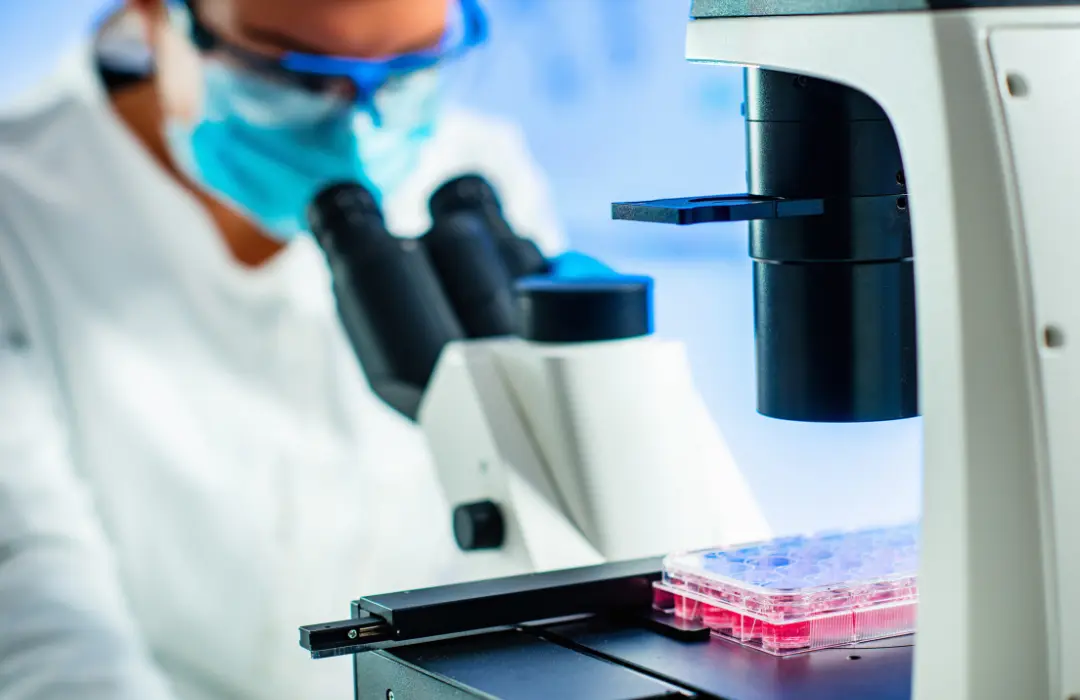
In regenerative medicine, there is a fundamental concept known as the cellular microenvironment or cell niche. This term refers to the set of physical, chemical, and biological factors that surround a cell and regulate its behavior, including its survival, self-renewal, proliferation, and differentiation (Scadden, 2006; Morrison & Spradling, 2008).
Nutrient availability, oxygen concentration, the extracellular matrix, cytokines, growth factors, and interaction with other cells are part of this microscopic ecosystem, which provides essential signals to maintain the functional balance of tissues.
Various studies have shown that the cellular microenvironment plays a decisive role in processes such as proliferation, tissue repair, differentiation, and tissue regeneration (Scadden, 2006; Morrison & Spradling, 2008).
For this reason, modern regenerative medicine not only studies the properties of stem cells, but also the biological conditions of the microenvironment that promote their survival, functionality, and regenerative potential.
Regenerative medicine and the future of cellular differentiation
Understanding how cells interpret signals and make biological decisions has driven major advances in cell biology, tissue engineering, and regenerative medicine. Today, researchers around the world are developing strategies aimed at enhancing tissue repair, modulating the inflammatory response, and promoting cellular mechanisms associated with tissue regeneration and functional restoration (Mao & Mooney, 2015; Murphy et al., 2013).
Mesenchymal stem cells, exosomes, and other emerging technologies continue to expand therapeutic possibilities across different clinical areas, including orthopedics, neurology, cardiology, and inflammatory diseases. Although many of these strategies are still under clinical investigation, the results obtained to date are promising and support the continued development of new applications in regenerative medicine (Caplan, 2017; Théry et al., 2018).
As cell biology advances, our ability to understand and harness the body’s natural repair mechanisms also grows, opening new perspectives for the development of increasingly precise, safe, and personalized therapies.
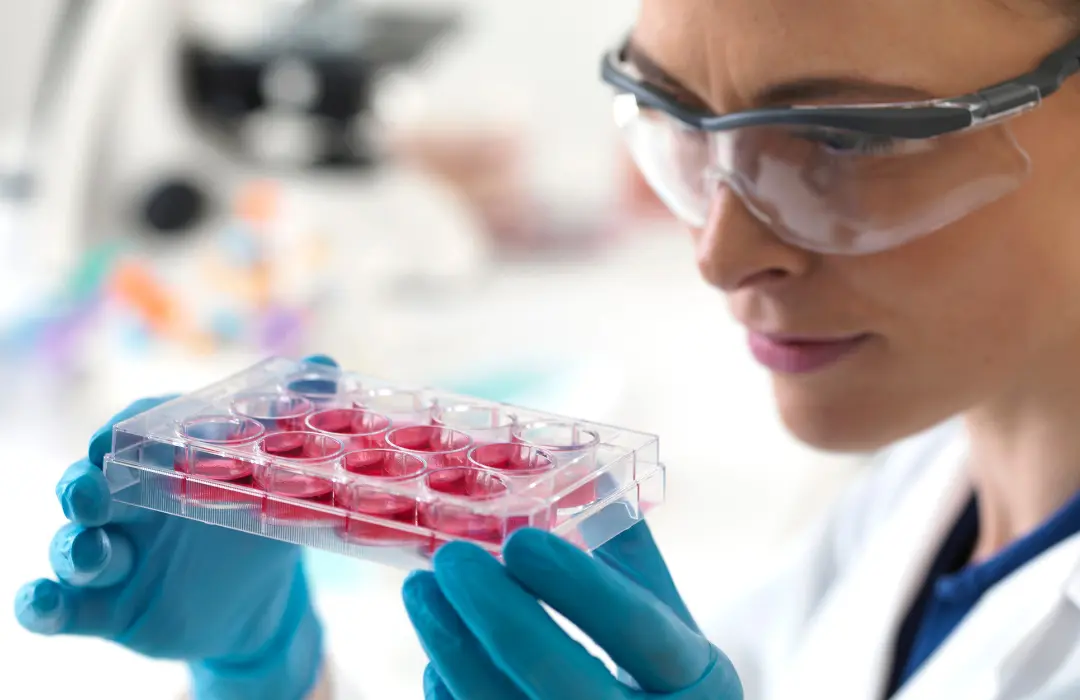
A stem cell does not consciously make decisions about its biological fate. Its behavior is determined by a complex interaction between genetic regulation mechanisms, biochemical signals, and communication with the cellular microenvironment, which coordinate the processes of self-renewal and differentiation (Morrison & Spradling, 2008; Scadden, 2006).
This delicate balance is one of the fundamental pillars of developmental biology and one of the main reasons why regenerative medicine continues to generate enormous scientific interest.
Understanding the mechanisms that regulate self-renewal and cellular differentiation not only helps us better understand how the body works, but also drives the development of increasingly precise, safe, and evidence-based therapeutic strategies to promote tissue repair and regeneration (Mao & Mooney, 2015).
At America Cell Bank, we believe that scientific education is a fundamental tool for promoting evidence-based regenerative medicine grounded in innovation and knowledge.
References
Alberts, B., Johnson, A., Lewis, J., Morgan, D., Raff, M., Roberts, K., & Walter, P. (2022). Molecular Biology of the Cell (7th ed.). Garland Science.
Caplan, A. I. (2017). Mesenchymal stem cells: Time to change the name! Stem Cells Translational Medicine, 6(6), 1445–1451. https://doi.org/10.1002/sctm.17-0051
Gilbert, S. F., & Barresi, M. J. F. (2020). Developmental Biology (12th ed.). Oxford University Press.
Mao, A. S., & Mooney, D. J. (2015). Regenerative medicine: Current therapies and future directions. Proceedings of the National Academy of Sciences, 112(47), 14452–14459. https://doi.org/10.1073/pnas.1508520112
Morrison, S. J., & Spradling, A. C. (2008). Stem cells and niches: Mechanisms that promote stem cell maintenance throughout life. Cell, 132(4), 598–611. https://doi.org/10.1016/j.cell.2008.01.038
Scadden, D. T. (2006). The stem-cell niche as an entity of action. Nature, 441(7097), 1075–1079. https://doi.org/10.1038/nature04957
Théry, C., Witwer, K. W., Aikawa, E., Alcaraz, M. J., Anderson, J. D., Andriantsitohaina, R., Antoniou, A., Arab, T., Archer, F., Atkin-Smith, G. K., Ayre, D. C., Bach, J. M., Bachurski, D., Baharvand, H., Balaj, L., Baldacchino, S., Bauer, N. N., Baxter, A. AA., Bebawy, M., … Zuba-Surma, E. K. (2018). Minimal information for studies of extracellular vesicles 2018 (MISEV2018): A position statement of the International Society for Extracellular Vesicles and update of the MISEV2014 guidelines. Journal of Extracellular Vesicles, 7(1), 1535750. https://doi.org/10.1080/20013078.2018.1535750
Weissman, I. L. (2000). Stem cells: Units of development, units of regeneration, and units in evolution. Cell, 100(1), 157–168. https://doi.org/10.1016/S0092-8674(00)81692-X
Young, R. A. (2011). Control of the embryonic stem cell state. Cell, 144(6), 940–954. https://doi.org/10.1016/j.cell.2011.01.032