


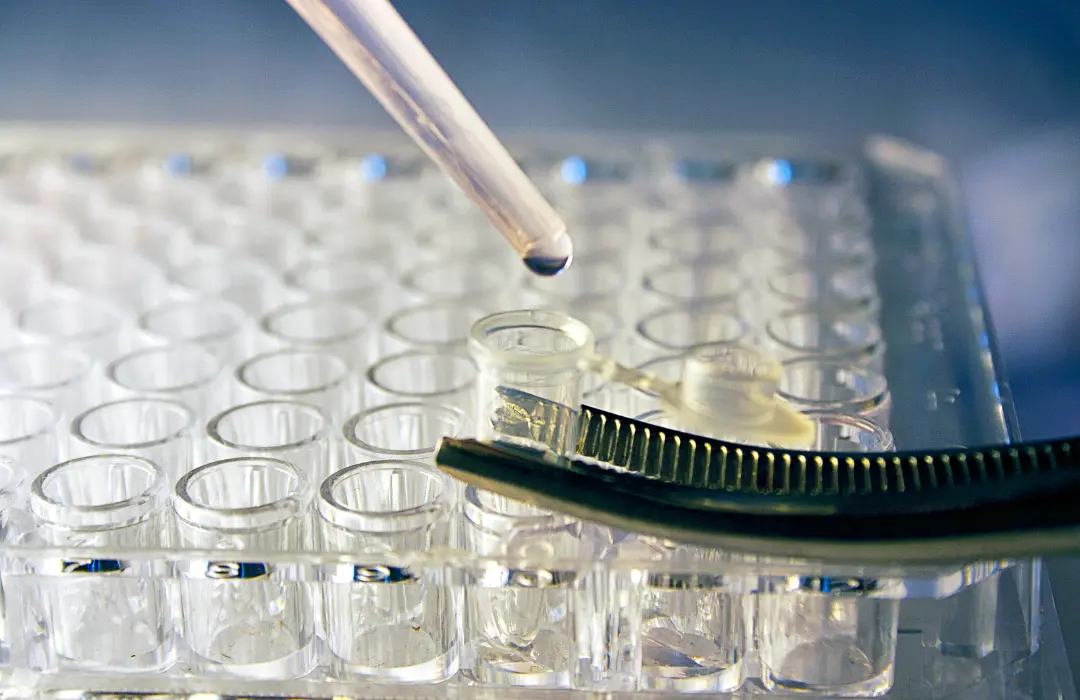
Exosomes and stem cells: how do they differ and how do they complement each other?
Regenerative medicine has experienced remarkable growth in recent decades thanks to the development of advanced

Regenerative medicine has experienced remarkable growth in recent decades thanks to the development of advanced
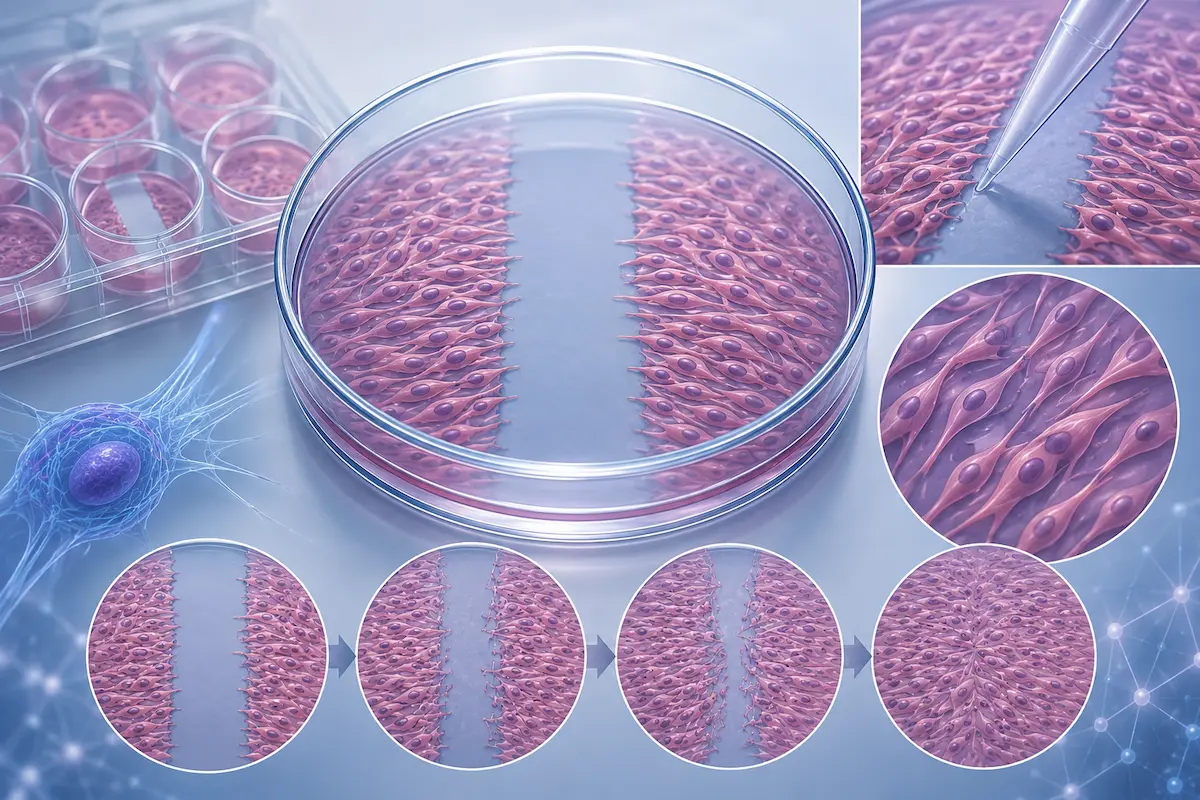
Introduction Regenerative medicine has acquired a fundamental role in the development of new therapeutic strategies

INTRODUCTION Degenerative diseases are a leading cause of disability worldwide, characterized by progressive tissue deterioration,
Introduction Post-surgical inflammation constitutes an essential physiological response to tissue injury, playing a critical role

Regenerative medicine continues to reach global milestones. Recently, Japan has taken a historic step by
What every professional and patient should know Regenerative medicine continues to evolve rapidly, driven by

When a family decides to collect stem cells from their first baby’s umbilical cord, they

This news is a reality! For the first time in history a woman is cured

A genetic test is performed to determine if there is a mutation in the genes

Regenerative medicine has made great advances in recent years. Stem cell treatments for Cushing’s disease
Regenerative medicine has experienced remarkable growth in recent decades thanks to the development of advanced therapies aimed at promoting tissue repair, modulating inflammatory processes, and restoring altered biological functions. Among the strategies that have generated
Introduction Regenerative medicine has acquired a fundamental role in the development of new therapeutic strategies aimed at the repair and regeneration of damaged tissues. Within this field, exosomes derived from mesenchymal stem cells have aroused
INTRODUCTION Degenerative diseases are a leading cause of disability worldwide, characterized by progressive tissue deterioration, chronic inflammation, and cellular dysfunction (Murphy et al., 2013). Despite therapeutic advances, traditional interventions have shown limitations in modifying the
Introduction Post-surgical inflammation constitutes an essential physiological response to tissue injury, playing a critical role in activating repair and regeneration processes. This process is characterized by a complex interaction between immune system cells, inflammatory mediators,
Regenerative medicine continues to reach global milestones. Recently, Japan has taken a historic step by conditionally approving an innovative stem cell-based treatment for Parkinson’s disease, one of the most complex neurodegenerative pathologies. This breakthrough not
What every professional and patient should know Regenerative medicine continues to evolve rapidly, driven by advances in cell biology, tissue engineering, gene therapies, and digital technologies. By 2026, trends are emerging that promise to transform
When a family decides to collect stem cells from their first baby’s umbilical cord, they take a crucial step toward prevention and future care. However, when a new pregnancy arrives, it is very common for
This news is a reality! For the first time in history a woman is cured 100% of HIV, since 2017 until today she is totally healthy, thanks to umbilical cord stem cell blood transplantation. Let
A genetic test is performed to determine if there is a mutation in the genes predisposing to a disease. DNA contains all the coded information, as if it were a book, of the genetic instructions
Regenerative medicine has made great advances in recent years. Stem cell treatments for Cushing’s disease are an example of this, since it is a pathology that afflicts many people today. Therefore, below we will tell