


Regenerative medicine continues to establish itself not as a future promise, but as an evolving clinical reality (Pittenger et al., 2019).
Recently, a publication by Infobae has brought to the forefront a breakthrough that could transform the management of complex injuries: the regeneration of the Achilles tendon using stem cells, without the need for surgical intervention. These types of developments not only represent a milestone in sports traumatology, but also reinforce the potential of biological therapies in the repair of musculoskeletal tissues (Filardo et al., 2018).
The advancement was developed at the Institute of Tissue Regenerative Therapy (ITRT) at Centro Médico Teknon in Spain, where cultured autologous mesenchymal stem cells were applied to treat severe Achilles tendon injuries.
The study included six patients with chronic ruptures, some of whom had even experienced failure with previous treatments, showing clinically relevant results. In particular, structural regeneration of the tendon was observed without resorting to surgery, raising important questions about the traditional approach based on invasive procedures.
How does the technique work?
The procedure is based on a fundamental principle of regenerative medicine: using the patient’s own cells to repair damaged tissue.
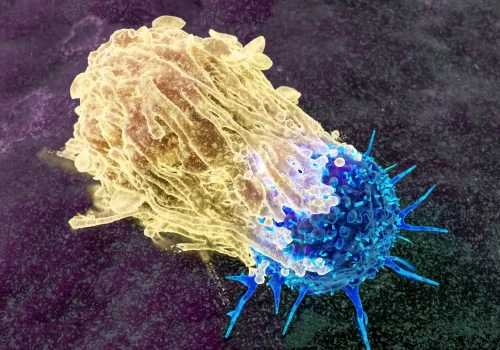
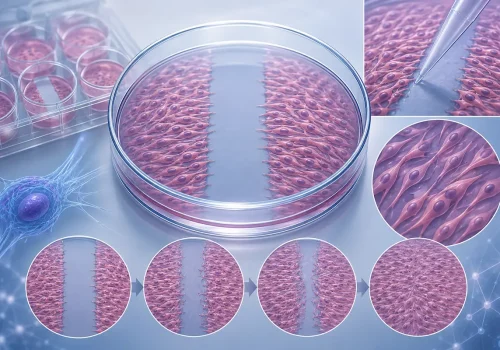
In this case, mesenchymal stem cells derived from bone marrow were used. These were extracted, expanded under controlled conditions, and subsequently re-injected into the affected area. These cells have demonstrated the ability to: Modulate the inflammatory response, stimulate tissue regeneration, promote extracellular matrix synthesis (Caplan, 2017; Hernigou et al., 2015)
Several studies have shown that mesenchymal stem cells can contribute to tendon repair by improving collagen organization and tissue biomechanics.
The reported results in this case show not only tissue regeneration but also functional improvement, including pain reduction and progressive recovery of mobility. However, it is important to note that recovery times may vary depending on the severity of the injury and the clinical protocol applied.
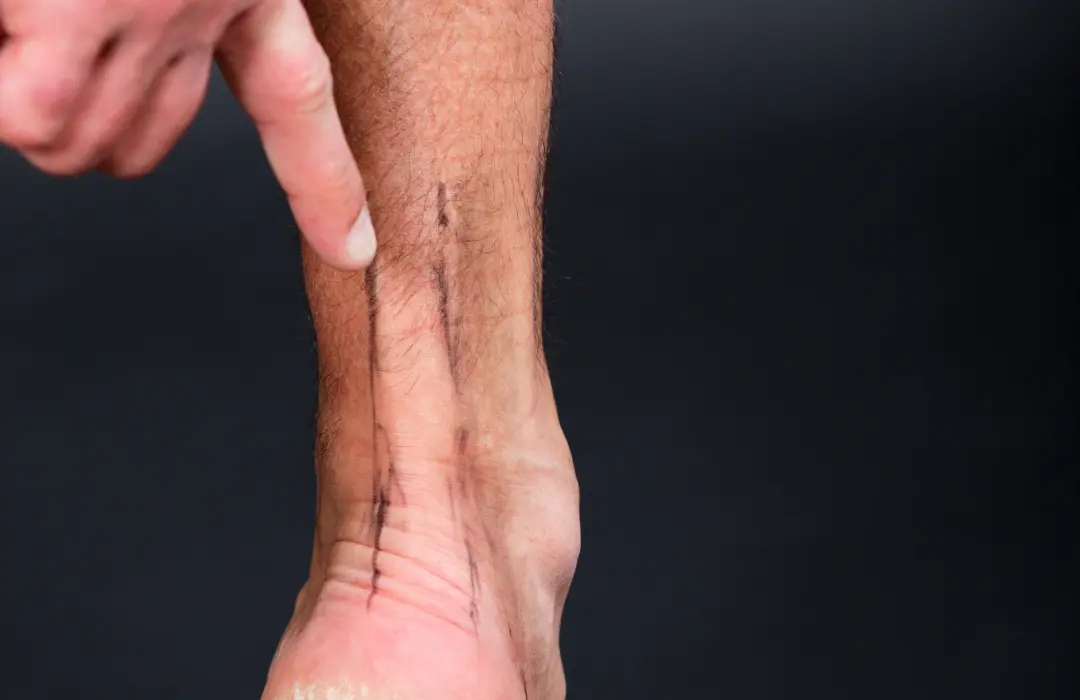
Traditionally, an Achilles tendon rupture involves surgery, long rehabilitation periods, and associated risks such as infections or re-ruptures (Maffulli et al., 2008).
This type of advancement suggests a paradigm shift: moving from replacing damaged structures to regenerating them. In other words, not only intervening on the injury itself, but activating the body’s own biological repair mechanisms.
Although this is a study with a limited number of patients, its results align with a growing body of evidence supporting the use of cell-based therapies in sports medicine and regenerative orthopedics.

A reality that continues to evolve
Today, the integration of biological therapies such as stem cells, exosomes, and platelet-rich plasma (PRP) is redefining how medical treatments are designed (López-Vidriero et al., 2010).
At America Cell Bank, we understand that these advancements are part of a global transformation in medicine: a more precise, less invasive approach focused on addressing the root cause of disease.
References
Caplan, A. I. (2017). Mesenchymal stem cells: Time to change the name! Stem Cells Translational Medicine, 6(6), 1445–1451.
Filardo, G., Madry, H., Jelic, M., Roffi, A., Cucchiarini, M., & Kon, E. (2013). Mesenchymal stem cells for the treatment of cartilage lesions: From preclinical findings to clinical application in orthopaedics. Knee Surgery, Sports Traumatology, Arthroscopy, 21(8), 1717–1729.
Hernigou, P., Flouzat Lachaniette, C. H., Delambre, J., Zilber, S., Duffiet, P., Chevallier, N., & Rouard, H. (2015). Biologic augmentation of rotator cuff repair with mesenchymal stem cells during arthroscopy improves healing and prevents further tears: A case-controlled study. International Orthopaedics, 39(6), 1255–1262.
López-Vidriero, E., Goulding, K. A., Simon, D. A., Sánchez, M., & Johnson, D. H. (2010). The use of platelet-rich plasma in arthroscopy and sports medicine: Optimizing the healing environment. Arthroscopy, 26(2), 269–278.
Maffulli, N., Longo, U. G., Kadakia, A., & Spiezia, F. (2008). Achilles tendon rupture: Current concepts review. The Journal of Bone and Joint Surgery. American Volume, 90 (6), 1348–1360.
Pittenger, M. F., Discher, D. E., Péault, B. M., Phinney, D. G., Hare, J. M., & Caplan, A. I. (2019). Mesenchymal stem cell perspective: Cell biology to clinical progress. NPJ Regenerative Medicine, 4, 22.