


One of the main concerns parents have when considering umbilical cord stem cell collection is whether this procedure may cause pain or pose any risk to the baby. This concern is completely understandable, especially during such an important moment as childbirth.
From a medical perspective, stem cell collection is a safe, non-invasive, and completely painless procedure that is performed only after birth and does not interfere with the well-being of the newborn.
Stem cells are collected once the baby has been born and the umbilical cord has been clamped and cut. At that moment, the newborn no longer has any physiological connection to the cord, meaning the procedure does not involve any direct intervention on the baby. The collected blood comes exclusively from the umbilical cord and placenta—structures that have already fulfilled their function during pregnancy.
Does the procedure cause pain or risk?
Regarding pain, it is important to clarify that the umbilical cord does not have functional nerve endings at that stage, and the baby is not subjected to any type of puncture or manipulation related to the collection. From a clinical standpoint, it is considered a completely painless procedure for both the newborn and the mother.
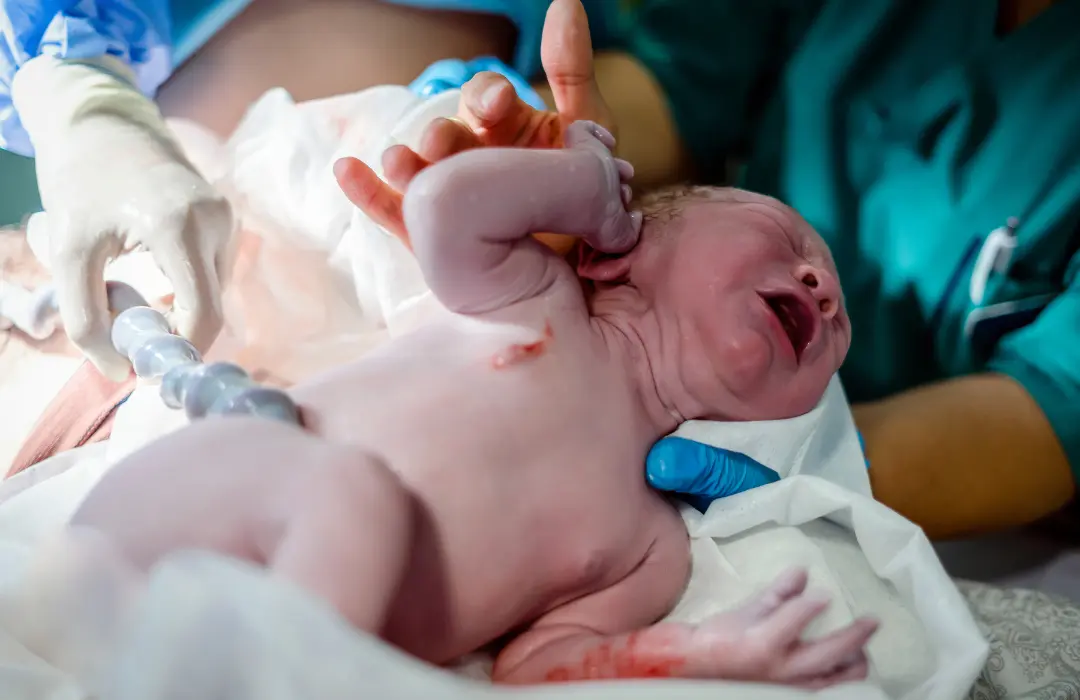
The safety of the procedure is widely supported by its use in hospitals worldwide. The collection does not alter the course of labor nor interfere with immediate neonatal care. It is carried out alongside standard newborn care, always prioritizing the health of both mother and baby, without affecting skin-to-skin contact or the baby’s initial assessments.
Important medical considerations
Another relevant aspect is umbilical cord clamping. Currently, many families choose delayed cord clamping, and it is important to note that collection can be adapted to this practice when clinical conditions allow. In all cases, medical decisions remain focused on the baby’s well-being, ensuring there is no compromise in care.
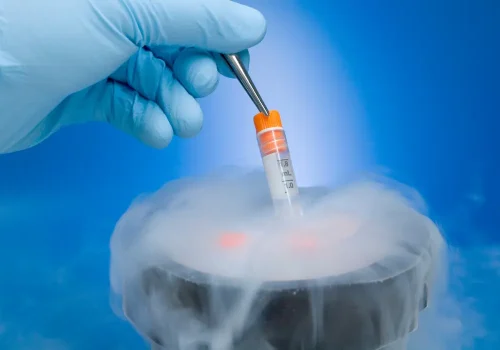
The procedure itself is brief and technically simple. Once the cord has been cut, a healthcare professional collects the blood remaining in the cord using a sterile system. This process takes only a few minutes and does not interfere with labor or the mother’s recovery. The sample is then transported under controlled conditions to a laboratory, where it is processed and stored.
Medical value of umbilical cord stem cells
From a clinical perspective, umbilical cord stem cells are highly valuable due to their ability to differentiate and their role in modulating biological processes. They are currently used in the treatment of various hematological and immunological diseases, and their application in regenerative medicine continues to expand.
Collection at the time of birth represents a unique opportunity, as these cells cannot be obtained again with the same characteristics later in life.

Medical evidence and clinical experience consistently show that umbilical cord stem cell collection is a safe, painless, and non-invasive procedure. It poses no risk to the baby or the mother and is performed in full compliance with obstetric and neonatal protocols.
In addition to its strong safety profile, it allows for the preservation of a biological resource with significant therapeutic potential for the future.
At America Cell Bank, we operate under standardized protocols, complete traceability, and specialized medical support throughout the entire process of stem cell collection, transport, and storage. Our team is available to provide clear, scientifically supported information to families seeking to make an informed decision.