Herniated Disc and Regenerative Medicine
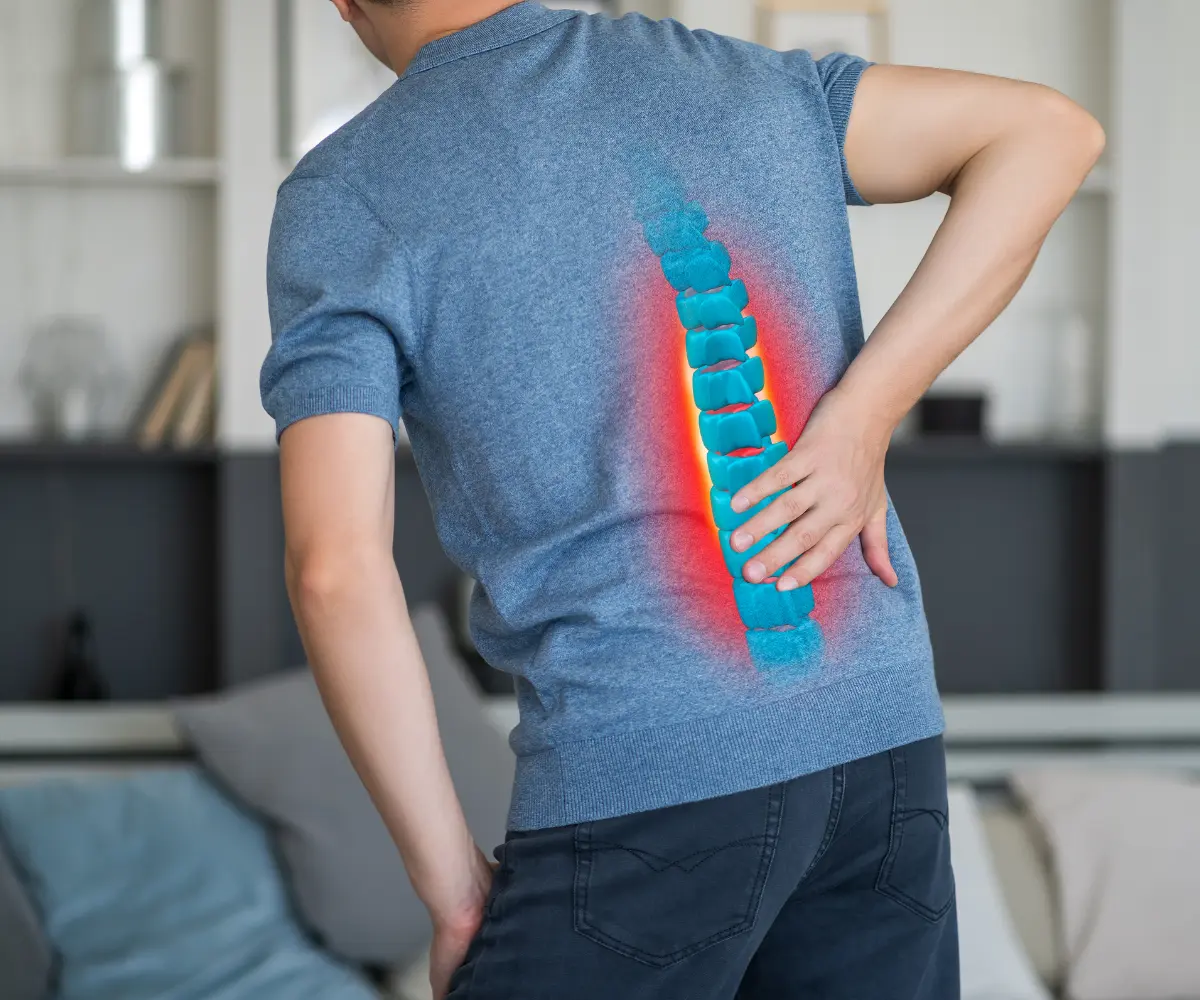
Traditionally, treatments have included anti-inflammatory medication, physical therapy, and, in severe cases, surgery. However, these methods often focus more on pain relief than on regenerating damaged tissue. Regenerative medicine offers innovative alternatives that aim to repair and restore the structure of the intervertebral disc.
A herniated disc is a leading cause of chronic back pain. It occurs when the nucleus pulposus of an intervertebral disc bulges and compresses nearby nerves, causing pain, weakness, and limited movement. It can occur in any segment of the spine, although it is most common in the lumbar and cervical regions.
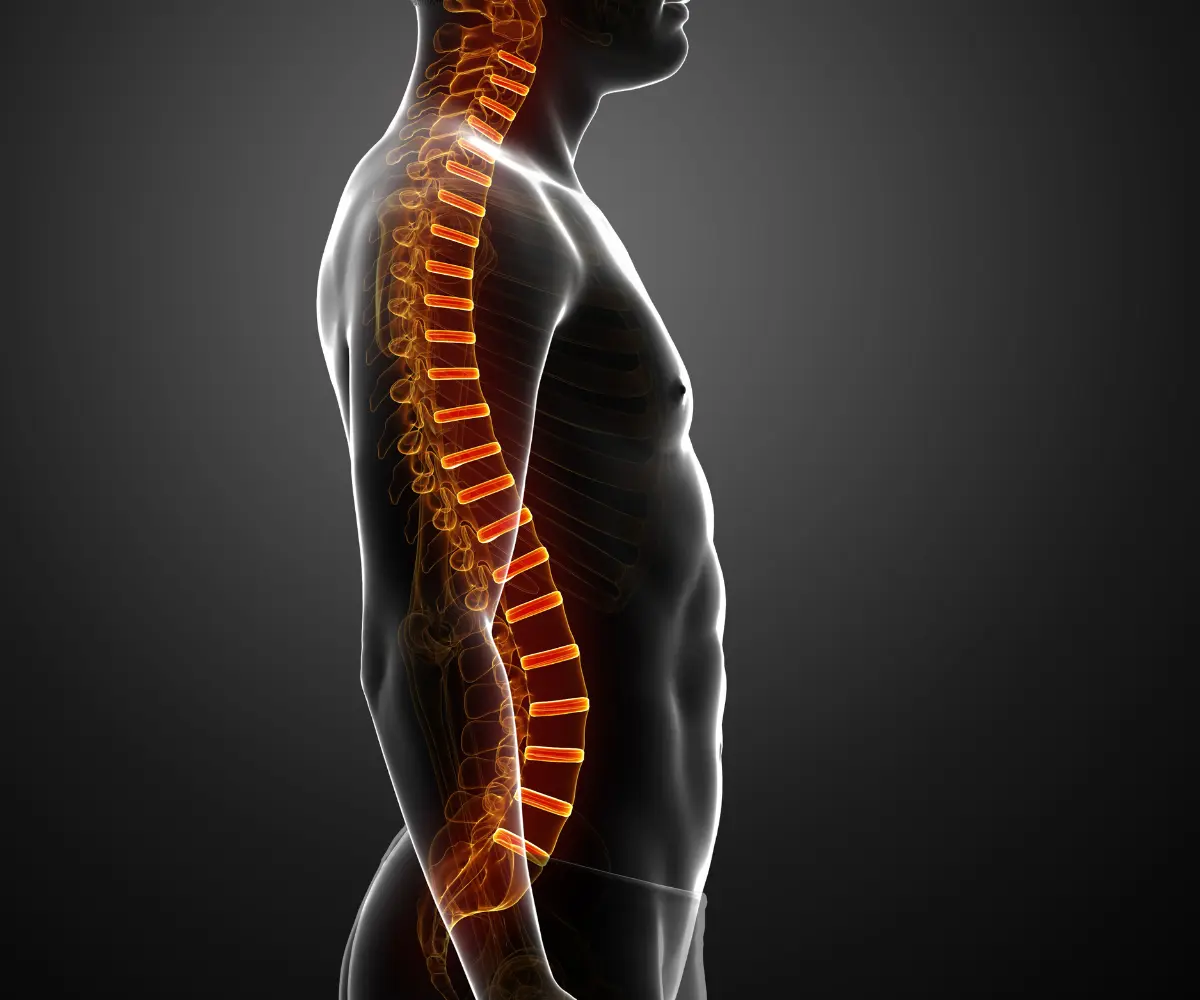
Factors that may contribute to the development of a herniated disc include:
- Disc degeneration due to aging: Over time, the discs lose their elasticity and strength.
- Poor posture and overload: Repetitive movements or inadequate positions can accelerate wear and tear.
- Lack of physical activity: Muscle weakness in the lower back and neck increases the risk of injury.
- Improper weight lifting: Can cause micro-tears that, over time, lead to a hernia.
- Trauma or injury: Accidents or direct blows can trigger a herniated disc.
Genetic factors: Some people are predisposed to developing disc problems.
Symptoms of
Herniated Disc
Symptoms can vary depending on the location and degree of nerve compression, but the most common include:
- Pain located in the back or neck, which may radiate to the extremities.
- Tingling or numb sensation in arms or legs.
- Loss of muscle strength, which can make daily tasks difficult.
- Difficulty standing or walking for long periods.
- Inflammation and stiffness in the affected area.
Some herniated discs can be asymptomatic and only detected through imaging studies.
Unlike conventional treatments, regenerative medicine offers therapeutic options that not only aim to relieve pain but also stimulate the regeneration of disc tissue. Its main benefits include:
- Reduction of inflammation and pain through natural biological modulators.
- Stimulation of disc regeneration with stem cells and growth factors.
- Repair of damaged tissues, avoiding the need for surgery in many cases.
- Improved mobility and quality of life, reducing dependence on painkillers and other drugs.

Therapy
Diamagnetic
CRU mega 20 will allow a decrease in general inflammation and general wellness effects.
New technologies allow us to accelerate and act where traditional medicine cannot access.
Diamagnetotherapy is a non-invasive therapeutic method that harnesses the power of high-intensity, low-frequency magnetic fields. These fields can activate cellular mechanisms in many pathologies, significantly reducing treatment times and improving patients’ quality of life.
The diamagnetic therapy of the CTU Mega 20 acts on the intra- and extracellular matrix, activating drainage, regeneration and a strong biostimulation of the tissues.
Diamagnetotherapy, also known as ADM therapy (diamagnetic molecular acceleration), allows pharmacological cures both in localized and extended areas, with stratification of the active ingredients without using needles or electric currents, in the total absence of pain.
The mechanisms of action generated by diamagnetotherapy are summarized as follows:
- Transport of liquids
- Endogenous biostimulation
- Pain control
- Molecule administration and implantation
Stem Cells
Mesenchymal MSCs
Of umbilical cord origin, they will help us to reinforce the repairing action that the body itself has, cellular regeneration to fight against aging.
Regenerative medicine based on cell therapy with the use of so-called mesenchymal/stromal cells (MSCs).
Exosomes
Of umbilical cord mesenchymal stem cells origin that will help the stem cells in their repairing action and slow down the aging of our body.
Exosomes are secreted by the multivesicular bodies (MVBs) of cells through their fusion with the cell membrane. A tiny sac-like structure that forms inside a cell and contains some of the cellular proteins as well as portions of the cell’s DNA and RNA.
information?
Contact an advisor here