

Introduction
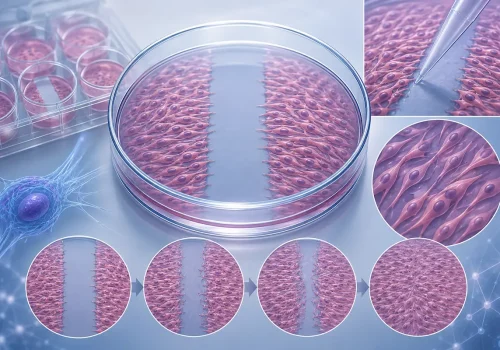
Post-surgical inflammation constitutes an essential physiological response to tissue injury, playing a critical role in activating repair and regeneration processes. This process is characterized by a complex interaction between immune system cells, inflammatory mediators, and growth factors, which enable the removal of cellular debris and the subsequent structural and functional restoration of the affected tissue (Rani et al., 2015; Willis et al., 2017).
During this initial phase, pro-inflammatory cytokines such as interleukins (IL-1, IL-6) and tumor necrosis factor-alpha (TNF-α) are released, along with vascular endothelial activation and the recruitment of neutrophils and macrophages. Although these events are necessary to initiate the reparative cascade, an excessive or prolonged inflammatory response may have deleterious effects, including fibrosis, delayed healing, and functional impairment (Giusti et al., 2017).
In this context, regenerative medicine has incorporated therapeutic strategies aimed not only at stimulating tissue repair but also at modulating inflammatory processes. Among these, platelet-rich plasma (PRP) has been widely used due to its growth factor content, while exosomes have emerged as an innovative alternative based on cellular signaling (Kalluri & LeBleu, 2020).
Pathophysiology of Post-Surgical Inflammation
The post-surgical inflammatory response develops through multiple interdependent phases: initiation, amplification, and resolution. Following tissue injury, resident cells release danger-associated molecular patterns (DAMPs), which activate innate immune system receptors and trigger the production of inflammatory mediators (Rani et al., 2015).
This process generates vascular changes, including vasodilation and increased capillary permeability, facilitating leukocyte migration toward the injury site. Simultaneously, the production of reactive oxygen species (ROS) increases, creating an oxidative stress environment that may compromise cellular integrity if not properly regulated (Willis et al., 2017).
The resolution phase is equally critical, as it involves the clearance of inflammatory cells and the restoration of tissue balance. Failure in this transition may lead to chronic inflammation, fibrosis, or impaired healing, highlighting the importance of therapeutic interventions capable of modulating this process with precision (Giusti et al., 2017).
PRP: Mechanism and Evidence
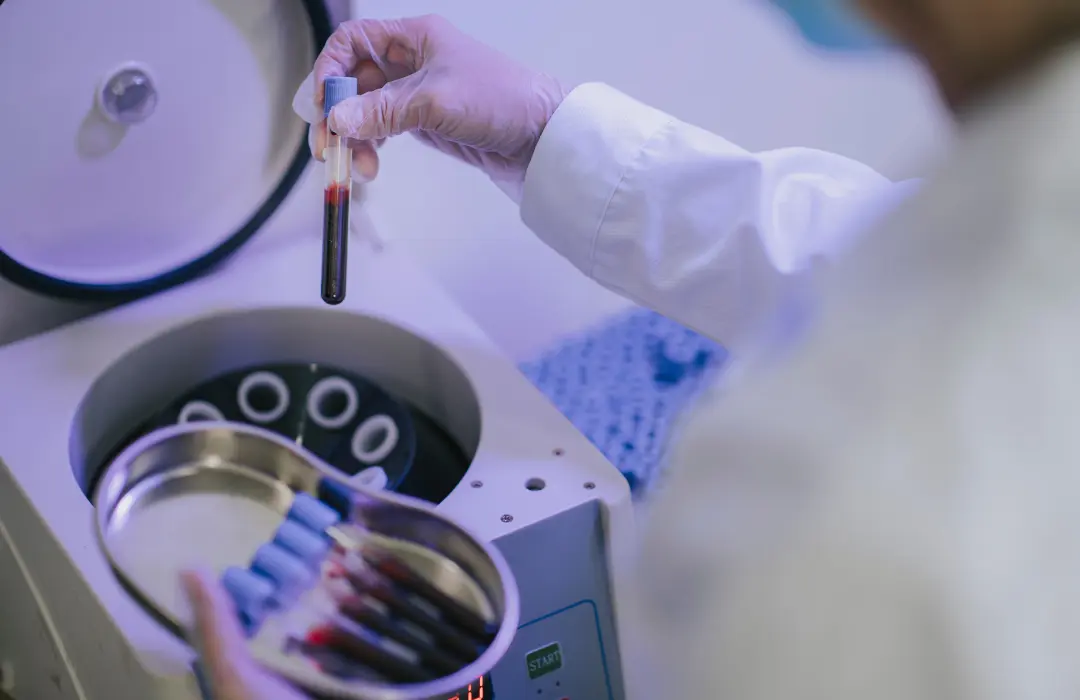
Platelet-rich plasma (PRP) is an autologous concentrate obtained through peripheral blood centrifugation, characterized by a high concentration of platelets and growth factors. Among the most relevant are PDGF (platelet-derived growth factor), TGF-β (transforming growth factor beta), and VEGF (vascular endothelial growth factor), which play key roles in cellular proliferation, angiogenesis, and tissue regeneration (Marx, 2004).
In addition to its regenerative role, PRP has demonstrated modulatory effects on inflammation. Studies have shown its ability to reduce the expression of pro-inflammatory cytokines and promote the release of anti-inflammatory mediators, contributing to a more favorable environment for tissue healing (Sundman et al., 2014; Giusti et al., 2017).
However, one of the main challenges associated with PRP is its variability. As an autologous product, its composition depends on individual factors such as age, metabolic status, inflammatory conditions, and collection technique, which may generate inconsistencies in clinical outcomes (Everts et al., 2006).
Despite these limitations, PRP continues to be a widely used tool across multiple specialties, with evidence supporting its utility in managing post-surgical inflammation.
Exosomes: Biology and Mechanisms of Action
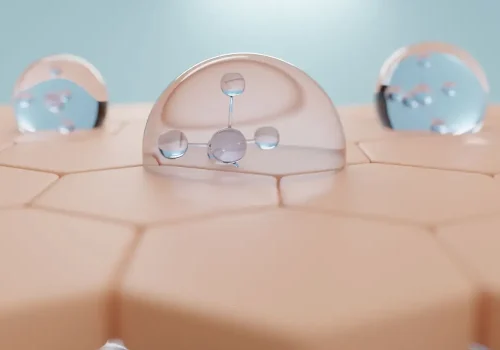
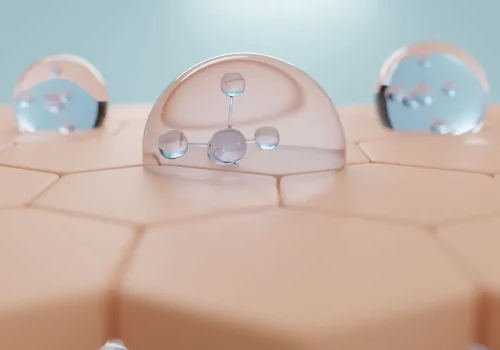
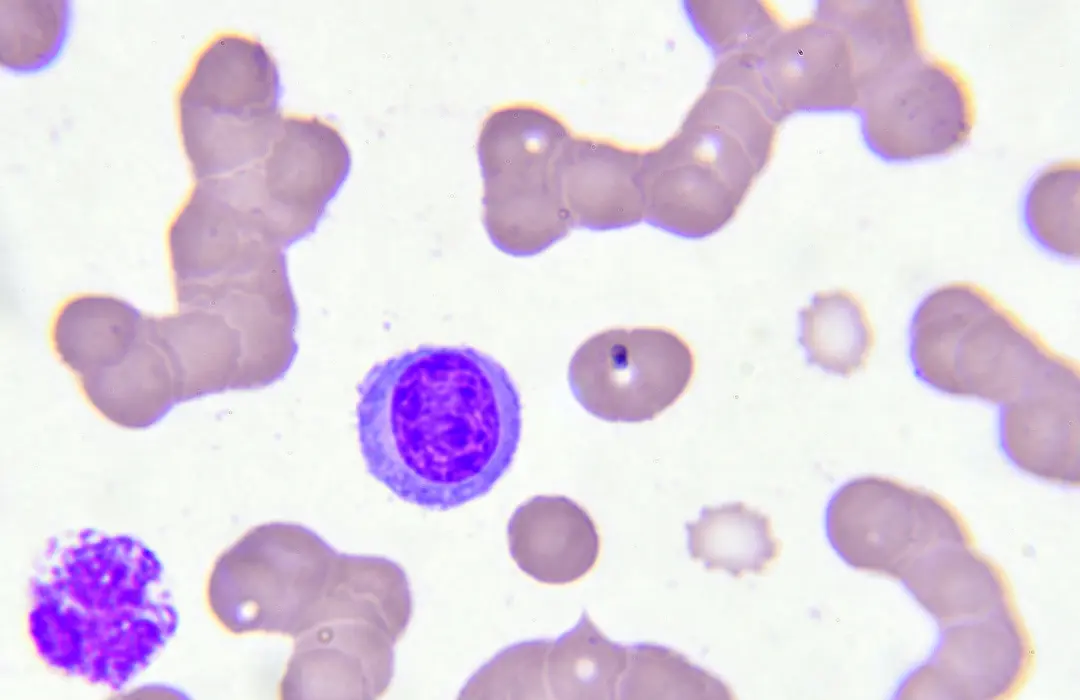
Exosomes are extracellular vesicles of endosomal origin, approximately 30–150 nm in size, containing proteins, lipids, messenger RNA, and microRNA. These structures play a fundamental role in intercellular communication, enabling the transfer of biological information between cells (Raposo & Stoorvogel, 2013; Yáñez-Mó et al., 2015).
Within the context of regenerative medicine, exosomes have demonstrated significant capacity to modulate inflammatory and regenerative processes. Their mechanism of action is based on cellular signaling, influencing multiple biological pathways, including the inhibition of pro-inflammatory cytokines, immune regulation, and the promotion of angiogenesis (Phinney & Pittenger, 2017; Zhang et al., 2015).
One of their main advantages is their ability to act in a more targeted and multifactorial manner, simultaneously modulating different aspects of the biological environment. Furthermore, because they do not directly depend on the patient’s physiological status, they offer greater standardization and clinical reproducibility (Kalluri & LeBleu, 2020).
These characteristics position exosomes as an advanced tool within regenerative medicine, especially in contexts where precise modulation of inflammation is required.
PRP vs Exosomes: A Comparison
Although both PRP and exosomes aim to modulate inflammation and promote tissue repair, their mechanisms of action differ significantly.
PRP acts primarily through the release of growth factors, generating a biological response dependent on the patient’s environment. In contrast, exosomes function as cellular signaling modulators, enabling a more complex and targeted intervention across multiple biological pathways.
From a clinical perspective, PRP presents greater variability, whereas exosomes offer increased standardization and reproducibility. These differences do not imply the replacement of one therapy by the other but rather reflect the evolution of available therapeutic strategies
Clinical Application in Post-Surgical Inflammation
In clinical practice, modulation of post-surgical inflammation represents a key component in optimizing therapeutic outcomes, reducing complications, and accelerating functional recovery. In this context, both platelet-rich plasma (PRP) and exosomes have demonstrated utility as regenerative medicine tools, acting on different biological mechanisms involved in tissue repair.
PRP has been widely used as an initial strategy, particularly in orthopedic, dermatological, and dental surgical procedures, due to its ability to release growth factors that promote cellular proliferation, angiogenesis, and extracellular matrix formation (Marx, 2004). In addition, its modulatory effect on inflammation has been documented through the reduction of pro-inflammatory cytokines and the promotion of a more favorable tissue environment for healing (Sundman et al., 2014; Giusti et al., 2017).
However, the clinical response to PRP may be heterogeneous due to its autologous nature, meaning that its composition and effectiveness depend on the patient’s individual characteristics. Factors such as age, baseline inflammatory status, and metabolic conditions may influence product quality and, consequently, clinical outcomes (Everts et al., 2006).
On the other hand, exosomes have emerged as an advanced therapeutic tool based on the modulation of cellular signaling. Their ability to transport proteins, lipids, and genetic material allows them to simultaneously intervene in multiple biological pathways related to inflammation and tissue regeneration (Raposo & Stoorvogel, 2013; Phinney & Pittenger, 2017).
In the post-surgical context, exosomes have demonstrated potential to regulate immune responses, reduce the expression of pro-inflammatory mediators, and promote processes such as angiogenesis and cellular proliferation, contributing to more efficient and controlled recovery (Zhang et al., 2015).
Additionally, their lower dependence on the patient’s biological status allows for greater treatment standardization, reducing variability in clinical outcomes and facilitating their integration into more predictable therapeutic protocols (Kalluri & LeBleu, 2020).
From a clinical perspective, the choice between PRP and exosomes should not be considered a dichotomy, but rather an opportunity to design personalized therapeutic strategies. While PRP may be useful for initiating the reparative response, exosomes may contribute to a more refined and sustained modulation of the biological environment, optimizing the quality of post-surgical recovery.
An Integrative Approach
Far from being mutually exclusive therapies, platelet-rich plasma (PRP) and exosomes should be understood as complementary tools within the current regenerative medicine approach, which is oriented toward multimodal interventions capable of acting on different phases of the biological tissue repair process.
PRP, due to its high concentration of growth factors, may play a relevant role in the early stages of tissue repair, promoting cellular activation, angiogenesis, and extracellular matrix formation. This early action helps establish a favorable biological environment for healing and regeneration (Marx, 2004; Sundman et al., 2014).
Exosomes, on the other hand, represent a more advanced strategy based on the modulation of cellular signaling, allowing for more precise intervention during later inflammatory and regenerative phases. Through the transfer of proteins, lipids, and genetic material, exosomes can regulate immune responses, reduce excessive inflammation, and promote tissue homeostasis (Phinney & Pittenger, 2017; Kalluri & LeBleu, 2020).
From this perspective, the sequential or combined use of both therapies allows tissue repair to be addressed more comprehensively. While PRP may act as an initial activator that triggers the biological response, exosomes may contribute to a more refined, sustained, and targeted modulation of the cellular environment, optimizing regenerative quality.
This integrative approach not only improves understanding of each therapy’s role but also aligns with current trends in personalized medicine, where treatments are designed according to the patient’s specific characteristics, the type of surgical procedure, and the phase of the inflammatory process.
In this sense, integrating PRP and exosomes allows progression toward more sophisticated therapeutic models, in which combining biological strategies provides greater clinical efficacy, improved inflammation control, and more predictable outcomes in post-surgical recovery.
Conclusion
Platelet-rich plasma (PRP) and exosomes represent relevant therapeutic tools in the management of post-surgical inflammation, with evidence supporting their ability to modulate inflammatory processes and promote tissue repair. PRP, as an autologous therapy, continues to be a valid and widely used option, particularly due to its ability to stimulate the early mechanisms of regeneration through growth factor release (Marx, 2004; Sundman et al., 2014).
Exosomes, meanwhile, have emerged as an advanced alternative within regenerative medicine, based on the modulation of cellular signaling. Their ability to simultaneously intervene in multiple biological pathways, regulate immune responses, and promote tissue homeostasis positions them as a tool with high therapeutic potential in the post-surgical setting (Phinney & Pittenger, 2017; Kalluri & LeBleu, 2020).
Beyond a direct comparison, current evidence suggests that both therapies can be integrated within the same therapeutic approach. The strategic combination of PRP and exosomes enables intervention across different phases of the inflammatory and regenerative process, from initial activation to the fine modulation of the biological environment, thereby optimizing tissue recovery quality.
In this regard, the trend in regenerative medicine is moving toward more personalized therapeutic models, in which the selection and combination of biological tools are adapted to the patient’s characteristics and the specific clinical context.
Therefore, the integration of PRP and exosomes not only expands therapeutic possibilities but also represents a step toward more precise, controlled, and effective approaches in managing post-surgical inflammation, contributing to improved clinical outcomes and patient experience.
References
Andaloussi, S. E. L., Mäger, I., Breakefield, X. O., & Wood, M. J. A. (2013). Extracellular vesicles: Biology and emerging therapeutic opportunities. Nature Reviews Drug Discovery, 12(5), 347–357.
Everts, P. A., van Zundert, A., Schönberger, J. P., Devilee, R. J., & Knape, J. T. (2006). Platelet-rich plasma and platelet gel: A review. Journal of Extra-Corporeal Technology, 38(2), 174–187.
Giusti, I., D’Ascenzo, S., Mancò, A., Di Stefano, G., Di Francesco, M., Rughetti, A., & Dolo, V. (2017). Platelet concentration in platelet-rich plasma affects tenocyte behavior in vitro. International Journal of Molecular Sciences, 18(6), 1149.
Kalluri, R., & LeBleu, V. S. (2020). The biology, function, and biomedical applications of exosomes. Science, 367(6478), eaau6977.
Marx, R. E. (2004). Platelet-rich plasma: Evidence to support its use. Journal of Oral and Maxillofacial Surgery, 62(4), 489–496.
Pegtel, D. M., & Gould, S. J. (2019). Exosomes. Annual Review of Biochemistry, 88, 487–514.
Phinney, D. G., & Pittenger, M. F. (2017). Concise review: MSC-derived exosomes for cell-free therapy. Stem Cells, 35(4), 851–858.
Raposo, G., & Stoorvogel, W. (2013). Extracellular vesicles: Exosomes, microvesicles, and friends. Journal of Cell Biology, 200(4), 373–383.
Rani, S., Ryan, A. E., Griffin, M. D., & Ritter, T. (2015). Mesenchymal stem cell-derived extracellular vesicles: Toward cell-free therapeutic applications. Journal of Translational Medicine, 13, 258.
Sundman, E. A., Cole, B. J., & Fortier, L. A. (2014). Growth factor and catabolic cytokine concentrations are influenced by the cellular composition of platelet-rich plasma. The American Journal of Sports Medicine, 42(1), 213–221.
Willis, G. R., Fernandez-Gonzalez, A., Anastas, J., Vitali, S. H., Liu, X., Ericsson, M., & Tager, A. M. (2017). Mesenchymal stromal cell exosomes ameliorate experimental bronchopulmonary dysplasia. Stem Cells, 35(6), 1420–1430.
Yáñez-Mó, M., Siljander, P. R.-M., Andreu, Z., Zavec, A. B., Borràs, F. E., Buzas, E. I., … De Wever, O. (2015). Biological properties of extracellular vesicles and their physiological functions. Journal of Extracellular Vesicles, 4, 27066
Zhang, Y., Liu, Y., Liu, H., & Tang, W. H. (2015). Exosomes: Biogenesis, biologic function and clinical potential. Biomaterials, 42, 1–14.