


Biobank vs. stem cell bank: what are the differences?
Regenerative medicine has transformed the approach to multiple diseases through the development of therapeutic strategies

Regenerative medicine has transformed the approach to multiple diseases through the development of therapeutic strategies
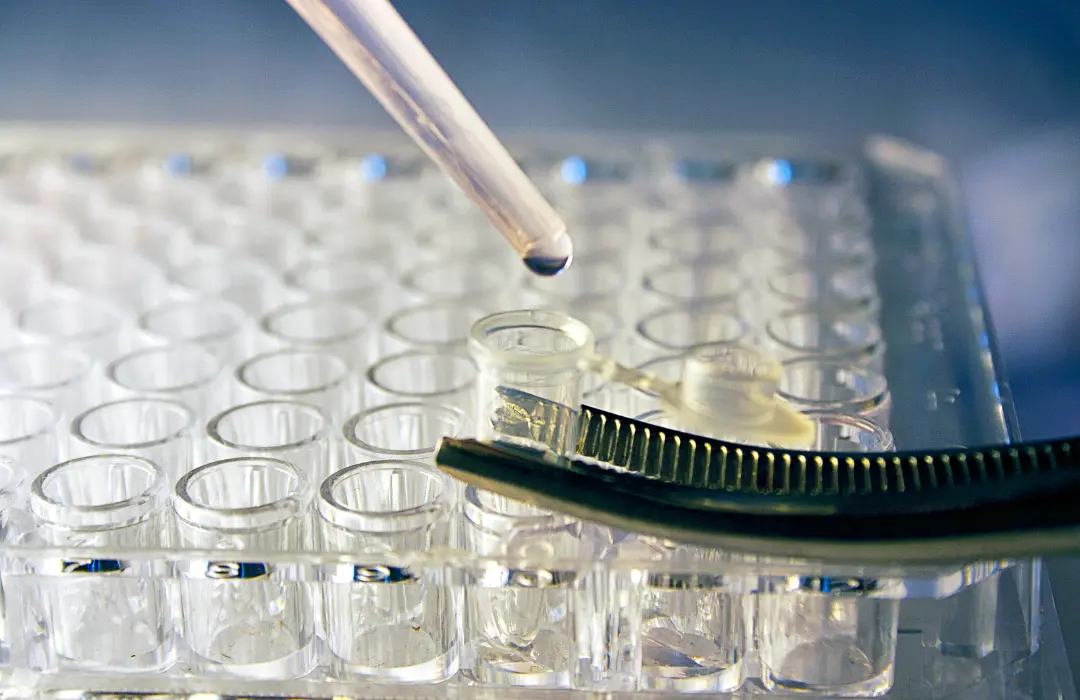
Regenerative medicine has experienced remarkable growth in recent decades thanks to the development of advanced
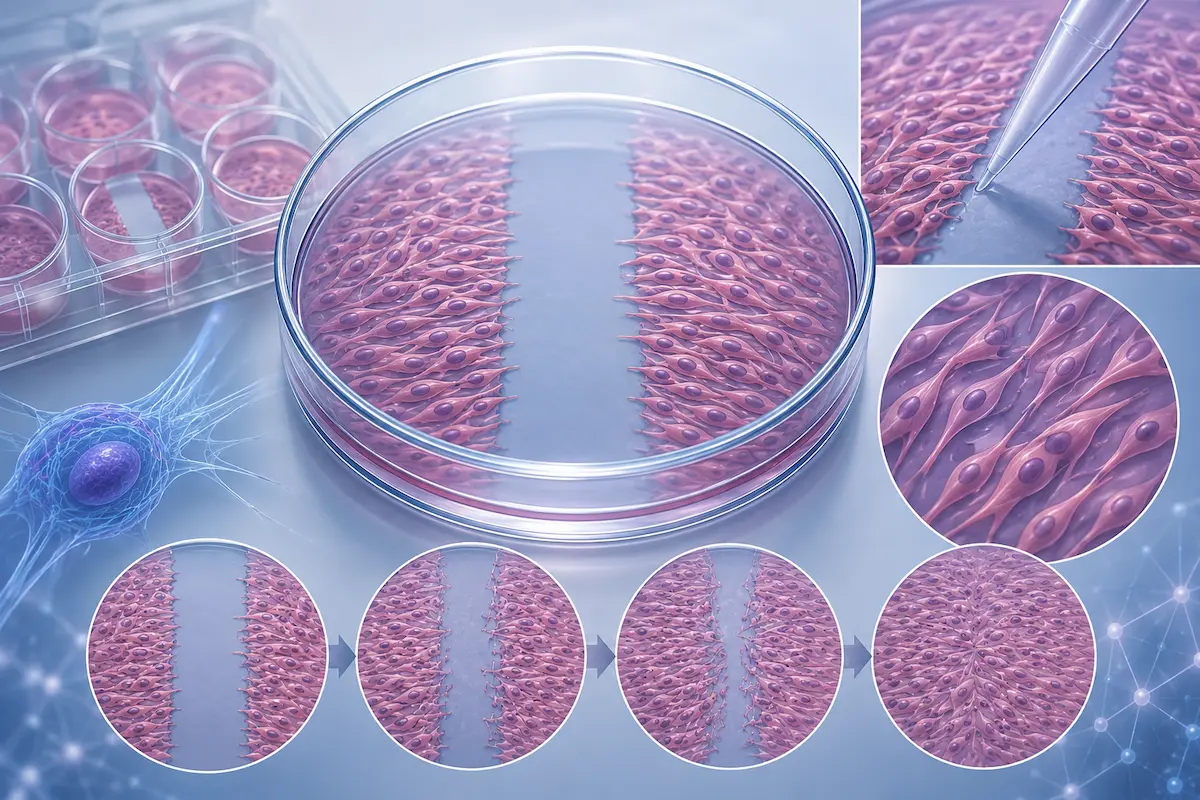
Introduction Regenerative medicine has acquired a fundamental role in the development of new therapeutic strategies
INTRODUCTION Degenerative diseases are a leading cause of disability worldwide, characterized by progressive tissue deterioration,
Introduction Post-surgical inflammation constitutes an essential physiological response to tissue injury, playing a critical role
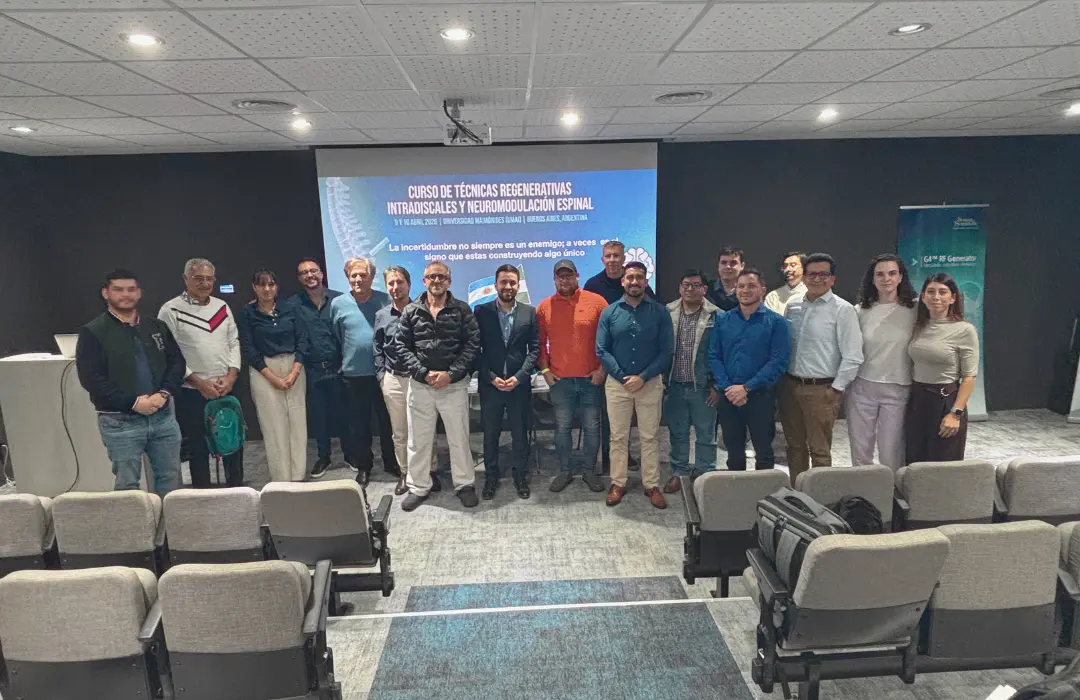
Medicine is rapidly evolving toward increasingly precise, less invasive approaches focused on addressing the root
Regenerative medicine continues to reach global milestones. Recently, Japan has taken a historic step by
Preserving umbilical cord stem cells is a decision that more and more families consider during

Many diseases do not begin with obvious symptoms. In fact, some of the most significant

In recent years, more and more families have been making informed decisions during pregnancy to
Regenerative medicine has transformed the approach to multiple diseases through the development of therapeutic strategies based on cells, tissues, and biomolecules with the capacity to promote the repair and regeneration of damaged tissues. In this
Regenerative medicine has experienced remarkable growth in recent decades thanks to the development of advanced therapies aimed at promoting tissue repair, modulating inflammatory processes, and restoring altered biological functions. Among the strategies that have generated
Introduction Regenerative medicine has acquired a fundamental role in the development of new therapeutic strategies aimed at the repair and regeneration of damaged tissues. Within this field, exosomes derived from mesenchymal stem cells have aroused
INTRODUCTION Degenerative diseases are a leading cause of disability worldwide, characterized by progressive tissue deterioration, chronic inflammation, and cellular dysfunction (Murphy et al., 2013). Despite therapeutic advances, traditional interventions have shown limitations in modifying the
Introduction Post-surgical inflammation constitutes an essential physiological response to tissue injury, playing a critical role in activating repair and regeneration processes. This process is characterized by a complex interaction between immune system cells, inflammatory mediators,
Medicine is rapidly evolving toward increasingly precise, less invasive approaches focused on addressing the root causes of disease. In this context, the integration of regenerative medicine with advanced technologies such as spinal neuromodulation marks a
Regenerative medicine continues to reach global milestones. Recently, Japan has taken a historic step by conditionally approving an innovative stem cell-based treatment for Parkinson’s disease, one of the most complex neurodegenerative pathologies. This breakthrough not
Preserving umbilical cord stem cells is a decision that more and more families consider during pregnancy. However, one of the most frequently asked questions is: who can actually use these cells in the future? Understanding
Many diseases do not begin with obvious symptoms. In fact, some of the most significant processes affecting health occur progressively and without clear clinical manifestations. One of these is silent inflammation, also known as low-grade
In recent years, more and more families have been making informed decisions during pregnancy to protect their children’s future health. One of these decisions is the preservation of umbilical cord stem cells, a science-backed practice