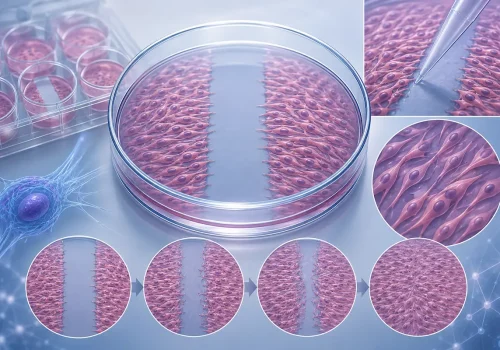



In recent years, more and more families have been making informed decisions during pregnancy to protect their children’s future health. One of these decisions is the preservation of umbilical cord stem cells, a science-backed practice that allows for the storage of cells with high therapeutic potential.
Stem cells have the ability to transform into different types of cells in the body, making them a key tool in regenerative medicine and medical research. At the time of birth, the umbilical cord contains a rich source of these cells, which can be safely collected and stored in a specialized biobank.
Below, we explore seven important benefits of preserving stem cells for your family’s future.
1. A unique biological resource available only at the time of birth
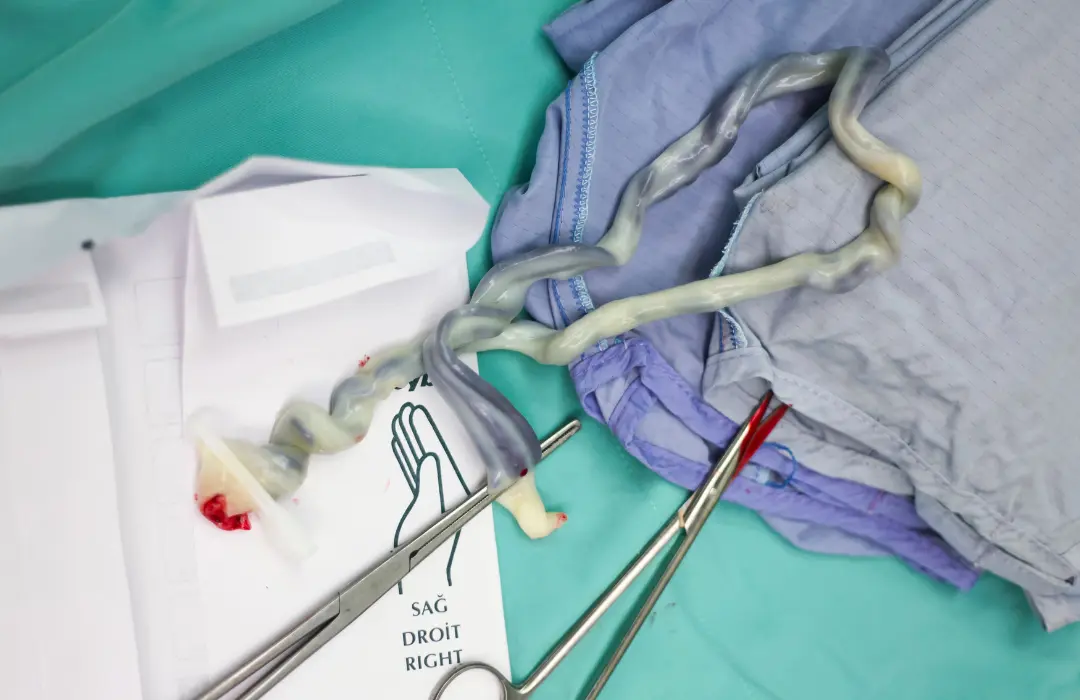
Umbilical cord stem cells can only be collected once in a lifetime: at the time of delivery. If they are not stored at that moment, this opportunity is lost forever.
Collection is a quick and safe procedure performed after the baby is born and the umbilical cord is clamped, without causing pain or risk to the mother or the newborn.
2. Therapeutic potential in multiple diseases
Currently, stem cells are used in medical treatments for various diseases, especially those related to the blood and immune systems.
Some of the areas where cell therapies have been applied include:
- Leukemias
- Lymphomas
- Certain genetic blood diseases
- Immune system disorders
Furthermore, scientific research continues to explore new applications in regenerative medicine.
3. Potential compatibility with family members
Umbilical cord stem cells can be useful for more than just the baby. In some cases, they may also be compatible with siblings or other family members, expanding their potential medical utility.
This makes preservation an option that can benefit the entire family unit.
4. Advances in regenerative medicine
Regenerative medicine seeks to stimulate the body’s natural ability to repair damaged tissues and improve various bodily functions. Stem cells play a fundamental role in much of the research and advances being developed in this field.
Currently, their potential is being studied in areas related to:
- Tissue regeneration
- Neurological diseases
- Autoimmune diseases
- Musculoskeletal injuries
- Among others…
Furthermore, the development of these therapies has allowed an increasing number of specialized clinics to begin applying regenerative medicine-based treatments within controlled medical environments.
At America Cell Bank, we already perform stem cell treatments within the field of regenerative medicine. We are supported by an extensive international network of medical specialists in various health areas, allowing us to address different conditions through a multidisciplinary approach based on scientific innovation.
These types of advances reflect how medicine continues to evolve toward more personalized therapies, focused on stimulating the body’s own natural regeneration processes.
5. Personalized medicine for the future
Stem cell storage allows for the preservation of a biological resource that could be part of personalized medicine strategies in the future.
As medicine moves toward more individualized treatments, having one’s own biological cells can represent an advantage in certain therapeutic contexts.
6. Long-term preservation technology
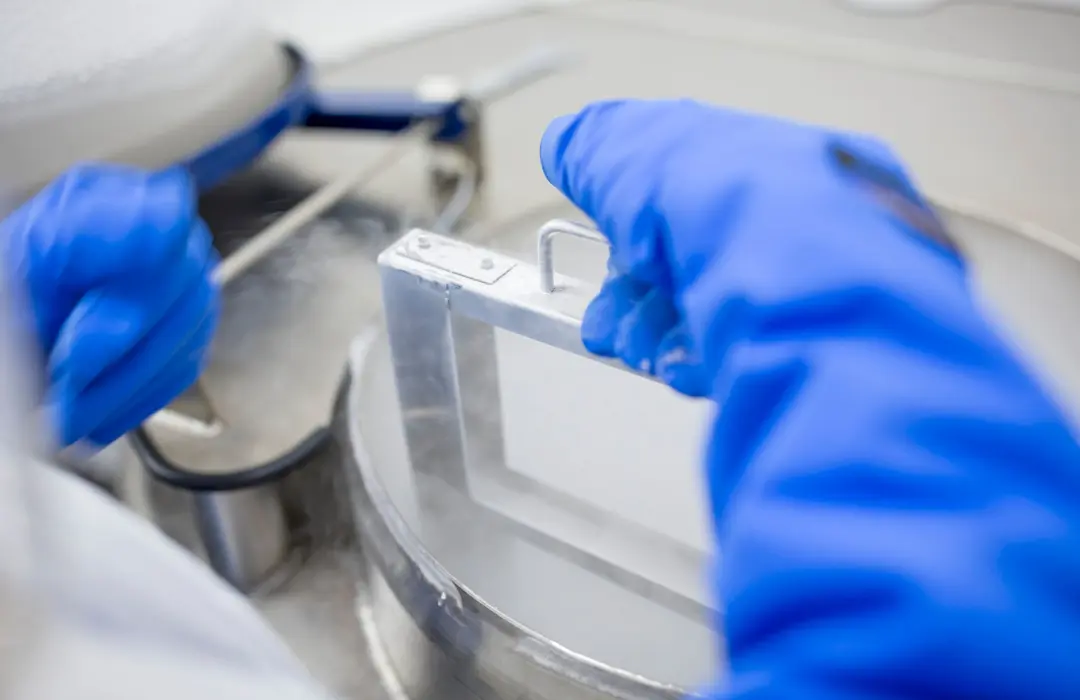
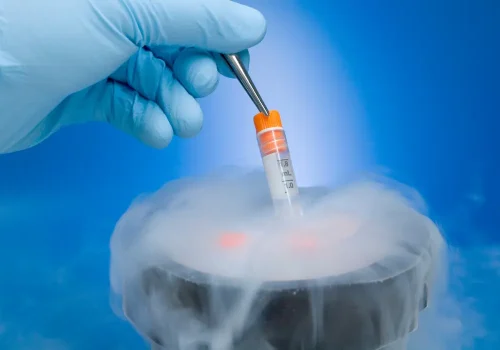
Collected stem cells can be stored through cryopreservation, a process that uses extremely low temperatures to keep cells viable for long periods of time.
Specialized biobanks apply strict control and traceability protocols to ensure the safe preservation of these samples.
7. A science-based preventive decision
For many families, preserving stem cells represents a way to invest in preventive health. Just as decisions are made to care for health during pregnancy, stem cell storage can be seen as a way to anticipate potential future medical needs.
Medicine continues to evolve, and preserving these cells offers the possibility of accessing therapies that exist today or could be developed in the coming years.
Umbilical cord stem cell preservation is an option that more and more families consider during pregnancy. Its therapeutic potential, possible family compatibility, and the constant advancement of regenerative medicine make this decision perceived as a way to protect the family’s future.
While it is impossible to predict what advances science will bring in the coming years, preserving stem cells can offer a valuable opportunity within the medicine of the future.