


In recent years, regenerative medicine has evolved toward increasingly comprehensive approaches, where the goal is not only to intervene directly on damaged tissue but also to optimize the patient’s biological environment to improve therapeutic response. This paradigm shift is based on a key principle: the success of a regenerative intervention depends not only on the treatment administered, but also on the physiological condition of the body receiving it (Caplan, 2017; Pittenger et al., 2019).
In this context, intravenous therapy has begun to establish itself as a relevant complementary tool, especially when integrated with therapies based on mesenchymal stem cells and exosomes. Beyond its traditional use for hydration, IV therapy allows for the direct administration of bioactive compounds capable of modulating critical processes such as inflammation, oxidative stress, and cellular metabolism (Padayatty et al., 2004).
Preparing the Microenvironment Is Key to Regenerative Response
One of the most important concepts in regenerative medicine is that therapeutic efficacy does not depend exclusively on the administered cells or exosomes, but also on the tissue microenvironment in which they act.
Multiple studies have shown that conditions such as chronic inflammation, persistent oxidative stress, and nutritional deficiencies can negatively affect the body’s regenerative capacity (Murphy et al., 2013).
In this sense, IV therapy acts as a supportive strategy aimed at reducing systemic inflammation, increasing micronutrient bioavailability, and optimizing mitochondrial function, thereby creating a more receptive biological environment.
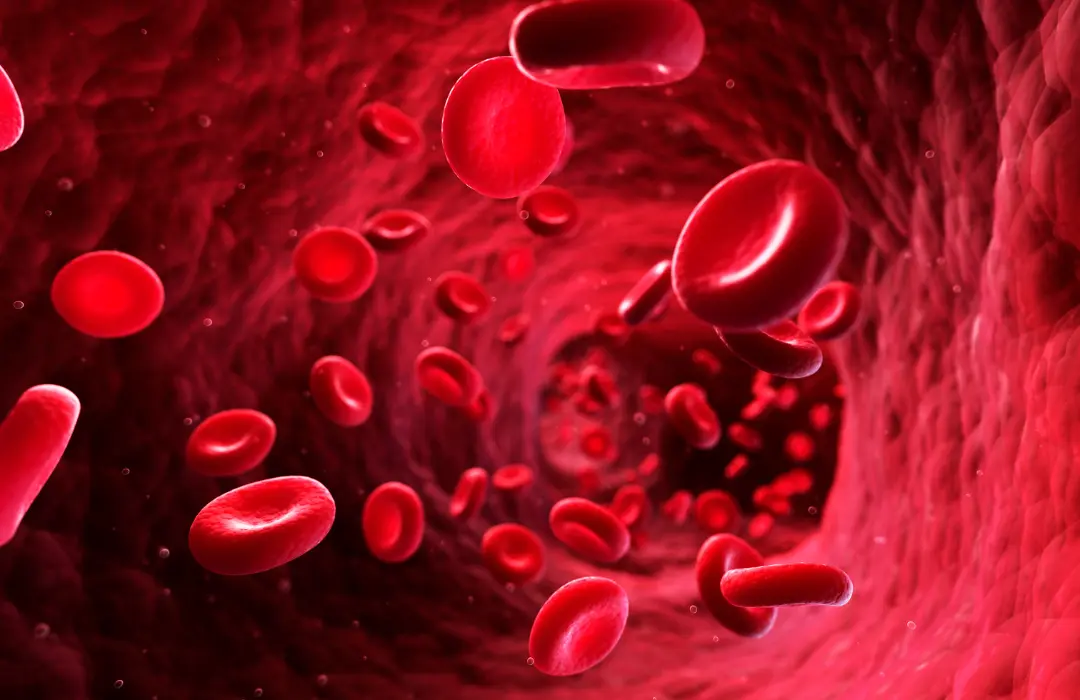
The intravenous route offers significant advantages compared to oral administration, especially in therapeutic settings: greater bioavailability, avoidance of first-pass hepatic metabolism, and the ability to achieve higher therapeutic plasma concentrations. A well-documented example is intravenous vitamin C, whose plasma concentration can be up to 70 times higher than oral administration (Padayatty et al., 2004).
This effect is particularly relevant in patients with chronic conditions, where these biological processes are often compromised.
Integration with Cell Therapies and Exosomes
When combined with stem cell- or exosome-based therapies, IV therapy may play a facilitating role. By improving the cellular environment, it supports biological signaling, intercellular communication, and the response of target tissues.
In the case of stem cells, a less inflamed environment with improved nutrient availability may enhance their immunomodulatory effects and their ability to stimulate tissue repair processes.
In the case of exosomes, whose function largely depends on interaction with recipient cells, an optimized physiological state may facilitate their molecular activity and improve therapeutic response.
Combined Clinical Applications
The integration of IV therapy with regenerative medicine is being explored across different clinical areas. In musculoskeletal conditions, it may help reduce inflammation and improve recovery following cell-based therapies. In metabolic or liver-related diseases, its role in nutritional and antioxidant support becomes particularly relevant.
It has also been used as part of protocols for patients with chronic fatigue, systemic inflammatory conditions, and recovery processes, where the goal is to improve the patient’s overall condition before or after a regenerative intervention.
It is important to understand that IV therapy does not replace regenerative therapies, but rather acts as a complementary component within a comprehensive approach. Its indication should be evaluated individually, taking into account the patient’s clinical condition, specific needs, and therapeutic goals.
Likewise, the quality of the components used, the formulation, and medical supervision are determining factors in ensuring safety and efficacy.

Regenerative medicine is evolving toward more comprehensive models, where the combination of therapies allows for a more effective approach to the complexity of chronic and degenerative diseases.
In this context, IV therapy is positioned as a supportive tool that may optimize the patient’s biological environment, enhancing the response to stem cell and exosome treatments. Its integration into properly designed medical protocols represents an important area of development for the future of regenerative medicine.
At America Cell Bank, we work under a comprehensive approach, combining advanced therapies with supportive strategies aimed at maximizing clinical outcomes, always based on medical criteria and scientific evidence.
References
- Caplan, A. I. (2017). Mesenchymal stem cells: Time to change the name! Stem Cells Translational Medicine, 6(6), 1445–1451.
- Pittenger, M. F., et al. (2019). Mesenchymal stem cell perspective: Cell biology to clinical progress. NPJ Regenerative Medicine, 4(1).
- Murphy, M. B., et al. (2013). Stem cell therapy in regenerative medicine. Experimental Biology and Medicine, 238(2), 133–146.
- Kalluri, R., & LeBleu, V. S. (2020). The biology and function of exosomes. Science, 367(6478).
- Padayatty, S. J., et al. (2004). Vitamin C pharmacokinetics. Annals of Internal Medicine, 140(7), 533–537.
Carr, A. C., & Maggini, S. (2017). Vitamin C and immune function. Nutrients, 9(11), 1211.