

Medicine is rapidly evolving toward increasingly precise, less invasive approaches focused on addressing the root causes of disease. In this context, the integration of regenerative medicine with advanced technologies such as spinal neuromodulation marks a turning point in the treatment of chronic pain.
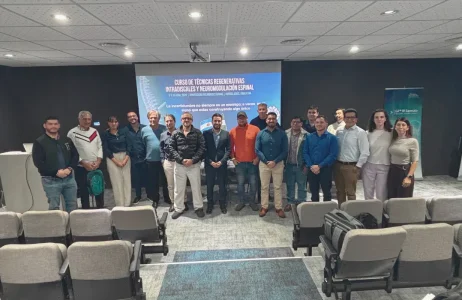
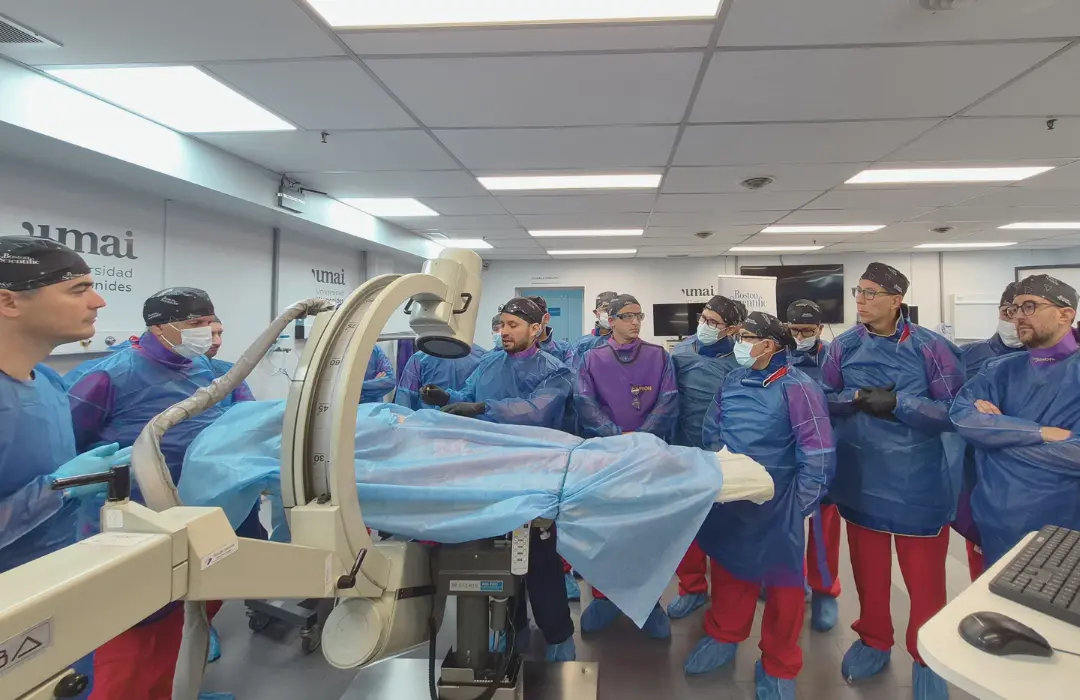
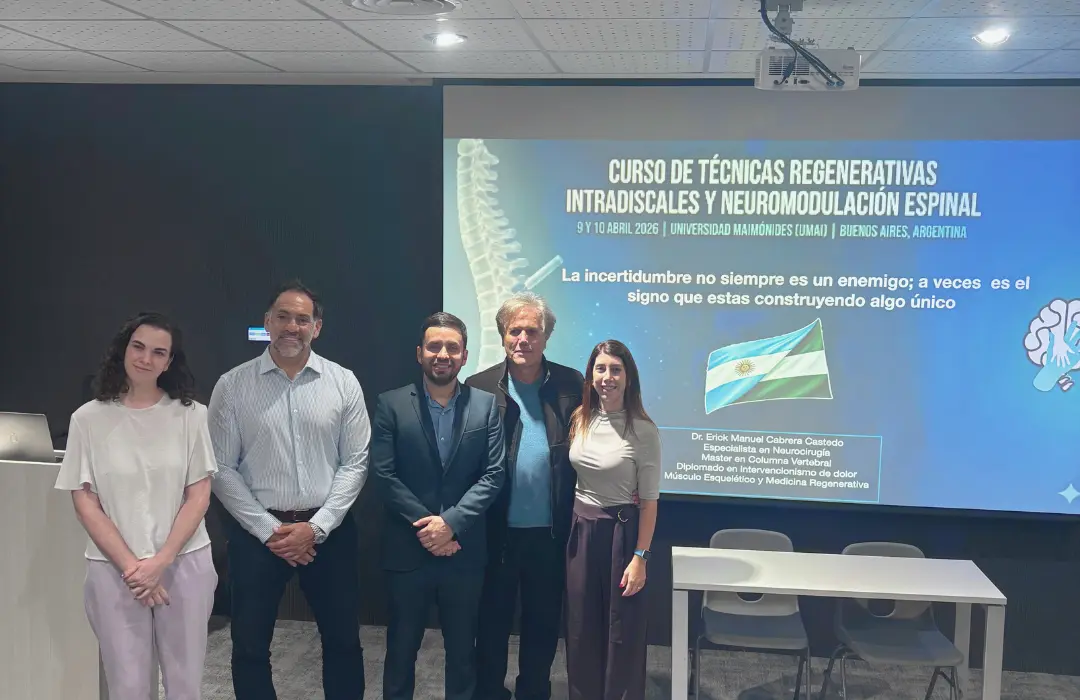
Recently, one of the physicians in our network, Dr. Manuel Cabrera, led a key milestone in the region: the First Cadaveric Course on Intradiscal Techniques with Regenerative Medicine and Spinal Neuromodulation in Argentina.
This event was not merely an academic gathering. It represented a concrete advancement in how spinal disorders and chronic pain are being addressed in Latin America.
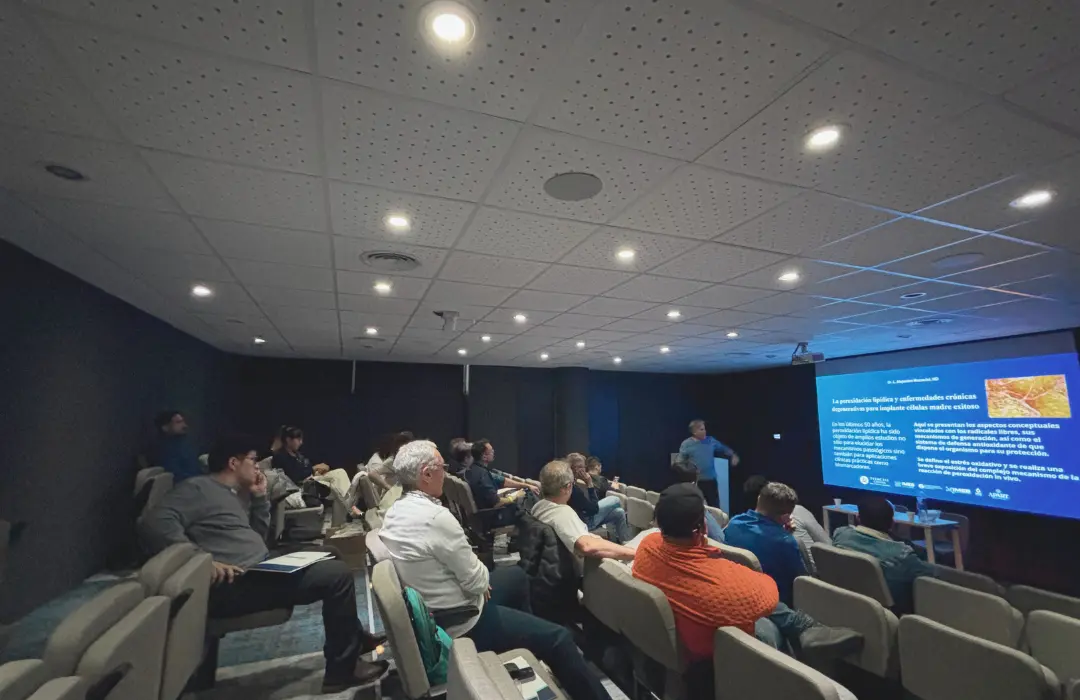
With the participation of specialists from countries such as Costa Rica, Peru, Chile, and Argentina—including neurosurgeons, orthopedic surgeons, and anesthesiologists—the course made one thing clear: regenerative medicine is no longer a future trend; it is an expanding clinical reality.
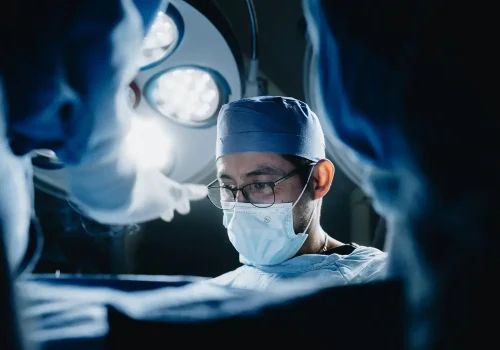
The hands-on approach, through cadaveric training, allowed participants to deepen their expertise in high-precision techniques, essential for ensuring safety and effectiveness in clinical application
The New Frontier: Intradiscal Regenerative Medicine
One of the most relevant aspects of the course was the application of regenerative medicine directly into the intervertebral disc.
This approach aims to:
- Regenerate damaged structures rather than merely treating symptoms
- Reduce chronic inflammatory processes in the spine
- mprove patient functionality and quality of life
- Decrease the need for invasive surgical interventions
Intradiscal medicine represents one of the most promising areas within regenerative medicine, particularly in the management of low back pain and degenerative conditions.
Spinal Neuromodulation: Leading Today’s Pain Management
On the other hand, spinal neuromodulation continues to establish itself as one of the most effective tools for managing complex chronic pain.
Its ability to modulate pain signaling at the level of the nervous system makes it a key alternative for patients who do not respond to conventional treatments.
While each of these therapies is powerful on its own, the true transformation lies in their integration.
Combining intradiscal regenerative medicine with spinal neuromodulation allows for:
- Simultaneously addressing both the structural cause and pain perception
- Offering more comprehensive and personalized treatments
- Optimizing long-term clinical outcomes
This integrative approach positions Latin America—and particularly physicians such as Dr. Manuel Cabrera—at the forefront of medical innovation.
Pride in a Medical Network That Is Shaping the Future
At America Cell Bank, we are proud to work with professionals who not only apply these therapies but are actively shaping the future of medicine in the region.
The leadership demonstrated in initiatives like this reflects:
- Commitment to continuous education
- Scientific rigor
- An ethical approach to the application of new therapies
- A constant pursuit of better patient outcomes
Each advancement achieved by our medical network strengthens our mission to bring regenerative medicine to more patients, with the highest standards of quality and safety.
The message is clear: the future of medicine is not only about treating diseases, but about transforming patients’ lives.
Today, thanks to the integration of advanced therapies and the work of leading experts in the field, that future has already begun.
And we are building it.