


Pregnancy is a stage of profound physical and emotional changes. Today we know that staying safely active not only improves the mother’s quality of life, but is also part of comprehensive prenatal care, focused on prevention, well-being, and preparation for the baby’s birth.
Adapted physical activity during pregnancy provides key benefits for both the mother and the healthy development of the baby, provided it is supervised by healthcare professionals.
Why is exercise part of modern prenatal care?
Current prenatal care goes beyond medical check-ups. It includes habits that promote a healthy pregnancy and prepare the body for labor and postpartum recovery. Within these habits, exercise plays a fundamental role.
The main benefits include:
- Improved blood circulation and reduced swelling
- Reduction in lower back pain and improved posture
- Control of weight gain during pregnancy
- Reduced risk of gestational diabetes and hypertension
- Improved rest and mood
- Physical preparation for labor
Staying active helps women experience their pregnancy with greater energy and confidence, fostering a healthy environment for the baby from the womb.
Safe exercises during pregnancy
As long as the pregnancy is low-risk and there is medical approval, low-impact exercise is recommended, prioritizing mobility, breathing, and gentle strengthening.
Some safe options include:
Walking
Ideal for improving cardiovascular endurance and circulation without overstressing the joints.
Swimming and water exercises
Water reduces body weight, relieves lower back pressure, and allows for wider and more comfortable movements.
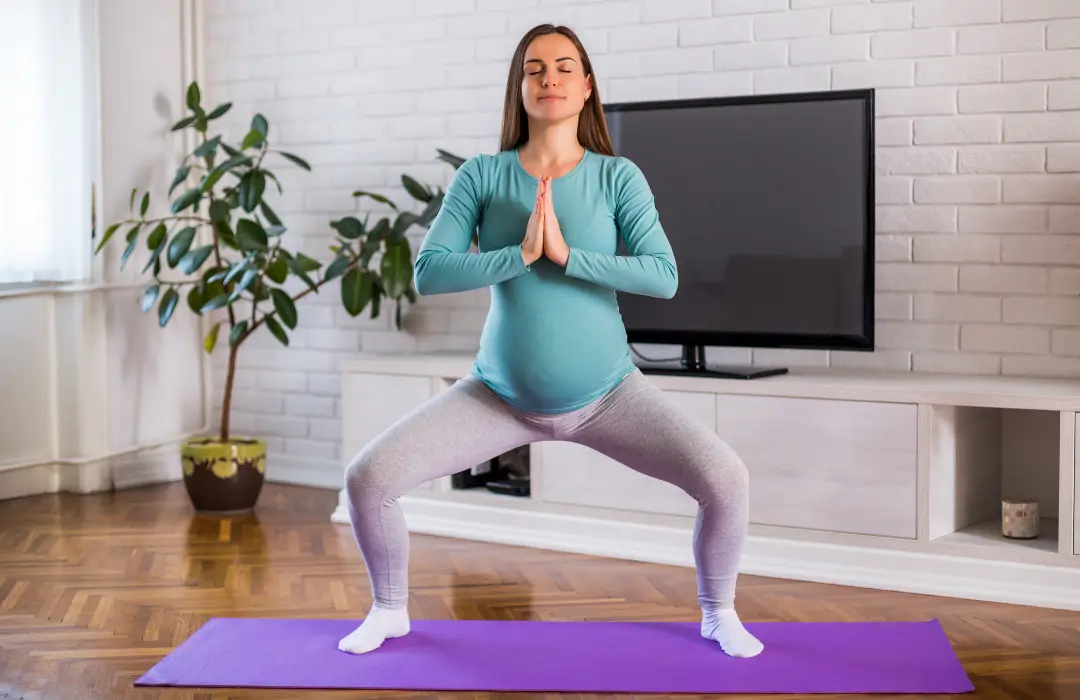
Prenatal yoga
Promotes conscious breathing, relaxation, and flexibility, while helping to connect with the body during pregnancy.
Adapted Pilates
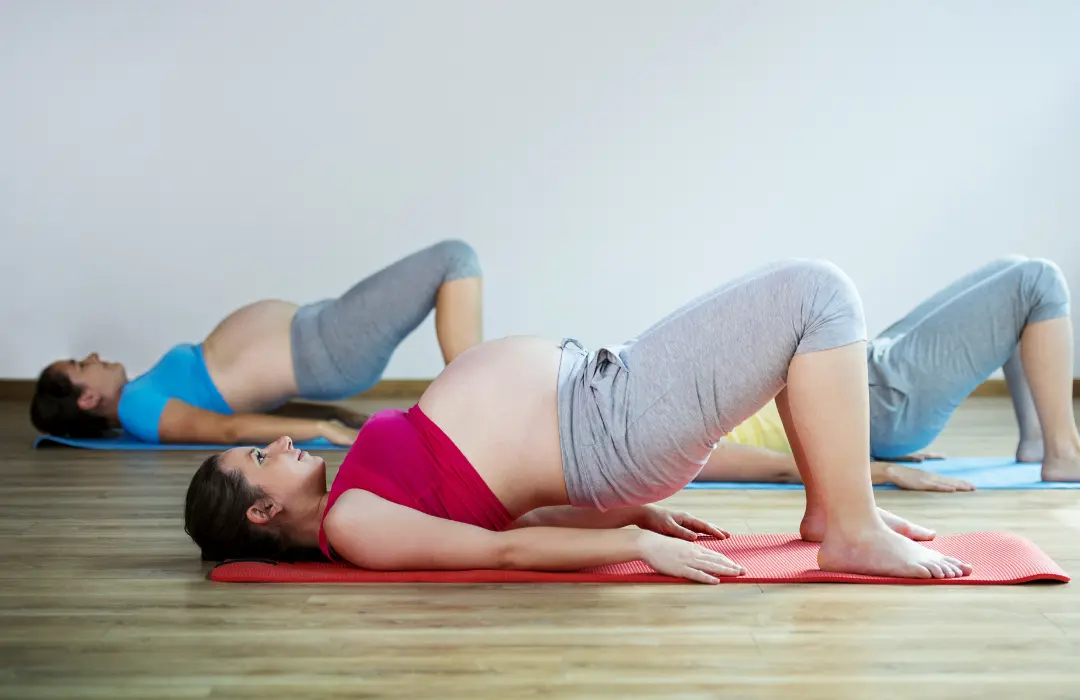
Strengthens the core and improves posture, always using specific exercises for pregnant women.
Pelvic floor exercises (Kegels)
Key to preparing the body for birth and promoting better postpartum recovery.
Exercise by pregnancy trimester
First trimester
This is a stage of adaptation. It is recommended to start progressively, prioritizing gentle walks, stretching, and conscious breathing.
Second trimester
This is usually the period of highest energy. It is ideal for maintaining regular routines of moderate exercise, gentle strengthening, and joint mobility.
Third trimester
The focus should be on comfort, breathing, posture, and preparation for labor, reducing intensity and listening closely to the body.
Important precautions
Exercise during pregnancy must always be safe. Some key recommendations:
- Consult with your treating physician beforehand
- Avoid contact sports or high-impact activities
- Maintain good hydration
- Wear comfortable clothing and appropriate footwear
Stop activity if dizziness, pain, or excessive fatigue occurs
Listening to your body is fundamental at every stage of pregnancy.
Prenatal care today, decisions that impact tomorrow
Exercise is an essential piece of prenatal care, but not the only one. More and more families understand pregnancy as a key stage for making preventive decisions that protect the baby’s future.
Within this comprehensive approach, the collection and preservation of umbilical cord stem cells has become a science-backed alternative, allowing for the conservation of cells with therapeutic potential for the future of the baby and their family.
Just as exercise strengthens the body and prepares it for birth, stem cell preservation represents a form of long-term care, aligned with a modern vision of preventive health.
A comprehensive approach for conscious motherhood
Moving, taking care of oneself, and planning are actions that are part of informed and conscious motherhood. Pregnancy is a unique opportunity to adopt healthy habits and consider medical options that support the family beyond birth.
Prenatal care is not only lived in the present: it also builds well-being for the future.