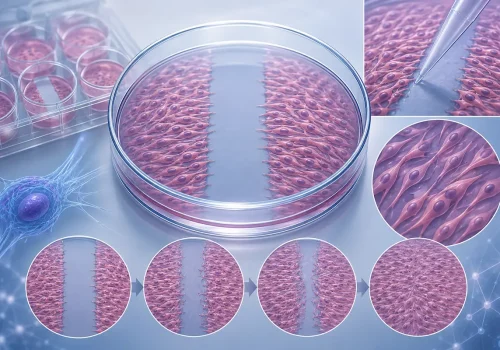


Stem cell therapies are generating increasing interest among patients and physicians alike. Their potential to regenerate tissues, modulate inflammation, and improve bodily functions has revolutionized the treatment of diseases that previously seemed impossible to reverse.
However, along with curiosity, many questions also arise.
How safe are they? In which cases do they work? And are umbilical cord stem cells truly effective?
In this article, we address the 10 most common questions about stem cells, providing clear, updated answers based on scientific evidence.
1. What are stem cells and why are they so important?
Stem cells are the body’s “master cells.”
They possess the unique ability to divide and transform into different types of tissues—such as bone, muscle, skin, or cartilage—and they also help repair damaged areas.
For this reason, they are fundamental to regenerative medicine, a field that seeks to activate the body’s natural mechanisms to heal from within without resorting to invasive procedures.
2. Is stem cell treatment safe?
Yes.
When therapies are performed under certified medical protocols, they are safe, controlled, and carry a low risk of complications.
3. What diseases can be treated with stem cells?
Currently, there are more than 80 diseases treated or supported by cell therapies, especially in:
- Hematological diseases (leukemias, lymphomas, aplastic anemia).
- Autoimmune disorders (lupus, rheumatoid arthritis, multiple sclerosis).
- Orthopedic and degenerative injuries (osteoarthritis, knee or spinal injuries).
- Neurological diseases (Parkinson’s, Alzheimer’s, cerebral palsy).
- Liver, pulmonary, or renal fibrosis.
Additionally, there are multiple ongoing clinical trials for heart disease, diabetes, and post-surgical tissue recovery.
4. Are umbilical cord stem cells only useful for my child?
Not necessarily.
Although cord cells are a 100% match for the baby, they can also be used by siblings or parents, provided there is genetic compatibility.
This makes collection a family decision with shared benefits.
At America Cell Bank, we even offer the double family cord option, expanding the possibilities for use in future treatments.
5. What is the difference between fresh and frozen stem cells?
Fresh cells maintain higher viability and regenerative capacity, which translates into better clinical outcomes in certain treatments.
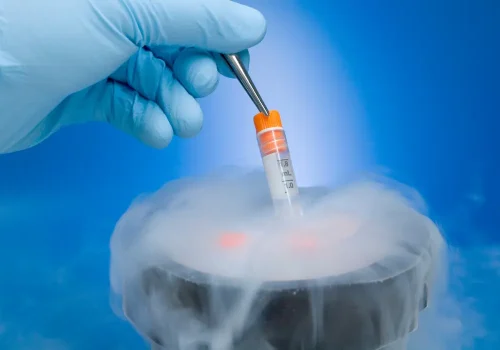
Cryopreserved cells, on the other hand, are stored under controlled conditions for decades, maintaining their integrity for future use.
6. Is the collection procedure painful or risky?
No.
Umbilical cord collection is performed immediately after birth, once the cord has already been clamped and cut. It is a quick, safe, and painless procedure that does not interfere with the birth or pose any risk to the mother or the baby.
Preserving this biological material means taking advantage of a unique opportunity, as it can only be done once in a lifetime.
7. What types of stem cells are used in treatments?
Several types exist, but the most commonly used in regenerative medicine are:
- Mesenchymal stem cells (MSCs): derived from the umbilical cord, adipose tissue, or bone marrow. They are responsible for regenerating tissues and modulating inflammation.
- Hematopoietic cells: present in umbilical cord blood, responsible for the formation of blood and the immune system.
8. Are stem cell therapies scientifically proven?
Yes.
Stem cells have been studied for over 50 years, and today there are thousands of clinical trials underway worldwide.
Results have demonstrated benefits in inflammation control, tissue regeneration, organ repair, and improved quality of life in chronic diseases.
Each year, scientific evidence grows and consolidates their role as a safe and effective therapeutic tool.
9. Are stem cell therapies economically accessible?
At America Cell Bank, we understand that health care is a significant investment.
Therefore, we offer flexible, interest-free financing plans, as well as special discounts for advance payments or family plans.
Our goal is to ensure that more people can access advanced therapies without the economic factor being a barrier.
10. Why choose America Cell Bank?
Because we are more than just a stem cell bank:
– We are a multinational company with over 13 years of experience in regenerative medicine and family biomedicine.
– We have scientific backing, international accreditations, and laboratories equipped with high-quality cryopreservation technology.
– We are present in the United States, Europe, and Latin America, with certified protocols and comprehensive medical support.
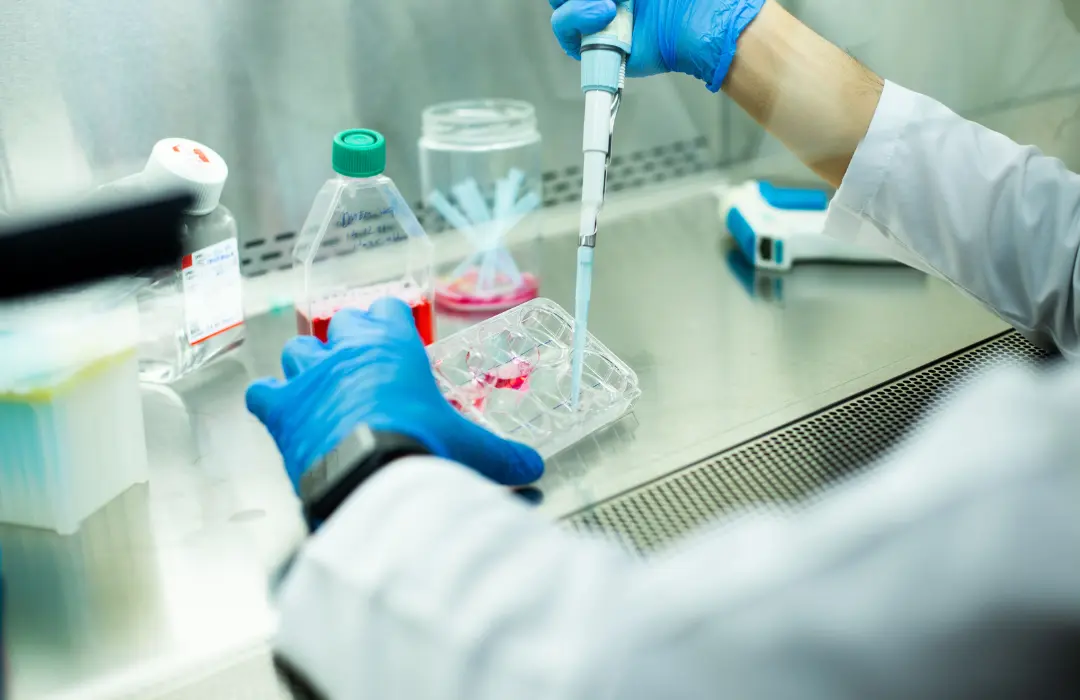
Our commitment is to accompany you every step of the way with clear information, safe processes, and the confidence that you are protecting the health of the future.
Stem cells represent a real, safe, and promising medical alternative for multiple health conditions. Having the right information allows for conscious decisions based on evidence and scientific backing.