


Knee osteoarthritis is one of the most common musculoskeletal diseases in the world and one of the leading causes of pain, disability, and reduced quality of life, especially in older adults and people with joint overload.
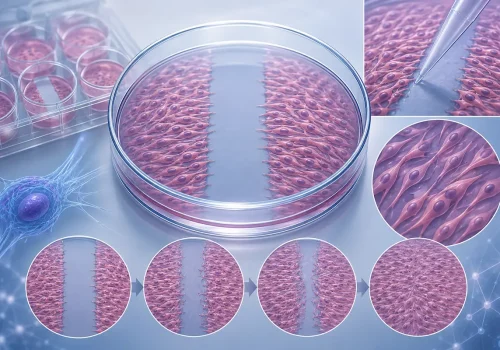
In recent years, regenerative medicine has opened up a new therapeutic alternative: the use of mesenchymal stem cells (MSCs) as a strategy to reduce inflammation, relieve pain, and improve joint function.
In this article, we analyze what the current scientific evidence says, how stem cells act in the knee, and what real-world cases treated with this therapy show.
What is knee osteoarthritis?
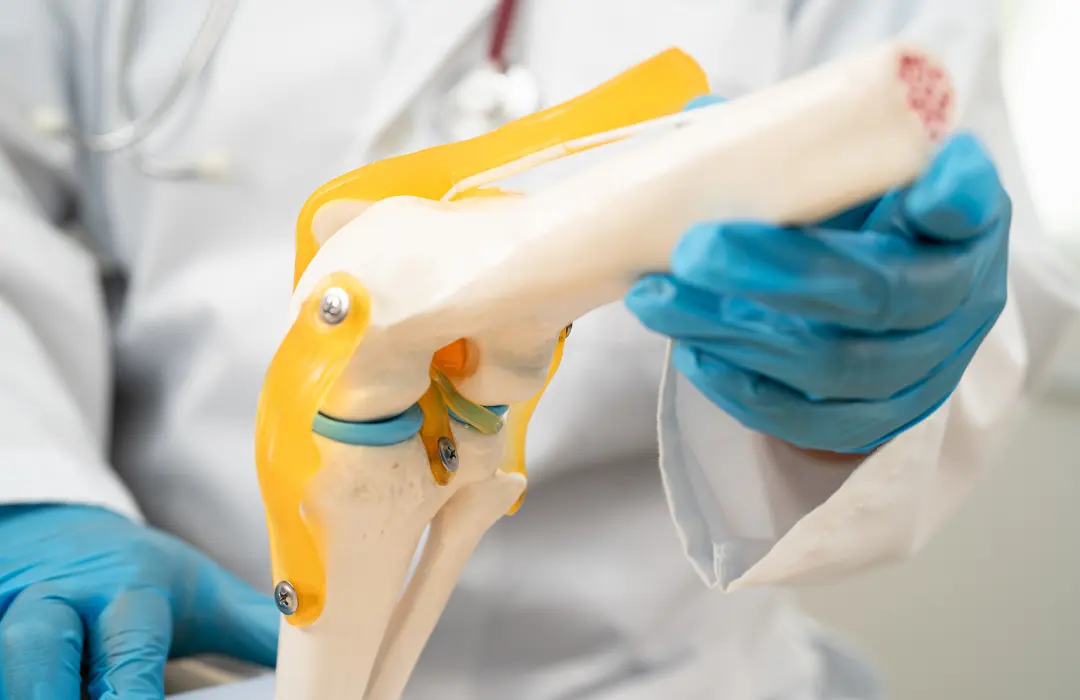
Knee osteoarthritis is a degenerative disease characterized by:
- Progressive loss of articular cartilage
- Chronic low-grade inflammation
- Changes in the subchondral bone
- Pain, stiffness, and functional limitation
Unlike other joint diseases, cartilage has very little capacity to regenerate, which explains why conventional treatments are often only palliative.
Why are stem cells a therapeutic alternative?
Mesenchymal stem cells (MSCs), especially those derived from umbilical cord or adult tissue, have key properties for the treatment of osteoarthritis:
- Powerful anti-inflammatory effect
- Immunomodulatory capacity
- Secretion of growth factors and exosomes
- Stimulation of tissue repair
- Protection of remaining cartilage
It is important to clarify that MSCs do not directly “rebuild” cartilage; rather, they create a favorable biological microenvironment for regeneration and inflammation control.

Scientific evidence: what do studies say?
Over the last decade, multiple phase I and II clinical trials, as well as meta-analyses, have been published showing consistent results:
Reported clinical outcomes
- Significant reduction in pain (measured by WOMAC and VAS scales)
- Improvement in joint function
- Reduced use of analgesics and anti-inflammatory drugs
- Structural improvement on MRI in some patients
Comparison with traditional treatments
| Treatment | Approach | Outcome |
| Analgesics / NSAIDs | Pain control | Temporary |
| Corticosteroid injection | Anti-inflammatory | Short term |
| Hyaluronic acid | Lubrication | Variable |
| Stem cells (MSCs) | Regenerative | Medium to long term |
Several studies indicate that repeated doses of MSCs produce better clinical outcomes than a single application, especially in mild and moderate stages of the disease.
How do stem cells act inside the knee?
When MSCs are administered intra-articularly:
- They detect local inflammatory signals
- They release anti-inflammatory cytokines
- They modulate the immune response
- They protect remaining cartilage
- They stimulate local cells for repair
This effect explains why many patients report progressive improvement over weeks or months, rather than immediately.
Real cases: what is observed in clinical practice?
In clinical experience reported internationally and in centers specialized in regenerative medicine:
Patient profile with the best response
- Mild to moderate osteoarthritis
- Persistent pain despite conventional treatments
- Patients seeking to avoid or delay surgery
- Active individuals with progressive functional limitation
Most common outcomes
- Pain reduction of 60–80%
- Improved mobility and stability
- Gradual return to daily activities
- Decrease in recurrent joint inflammation
In cases of severe osteoarthritis (grade IV), cell therapy does not replace a prosthesis, but it can help improve symptoms and quality of life.
Frequently Asked Questions
They do not “cure” the disease, but they can slow its progression and significantly improve symptoms.
It can vary between 12 and 24 months, depending on the patient and the protocol.
Some studies show better results with more than one dose, depending on the clinical case.
In many patients, it can delay or avoid a knee replacement.
Stem cell therapy for knee osteoarthritis represents one of the most solid and promising applications of modern regenerative medicine.
Scientific evidence supports its use as a safe, effective, and biologically sound alternative for patients seeking options beyond conventional treatment.
At America Cell Bank, we work with high-quality mesenchymal stem cells under strict scientific and medical standards, supporting evidence-based regenerative treatments.
Consult our medical team and find out whether you are a candidate for this type of therapy.