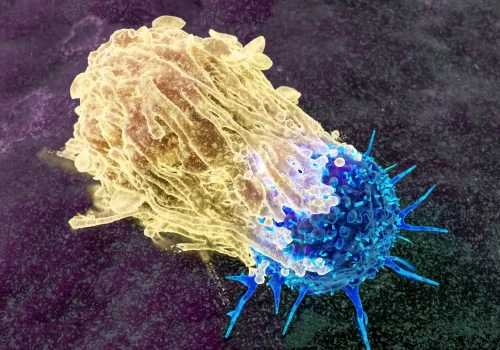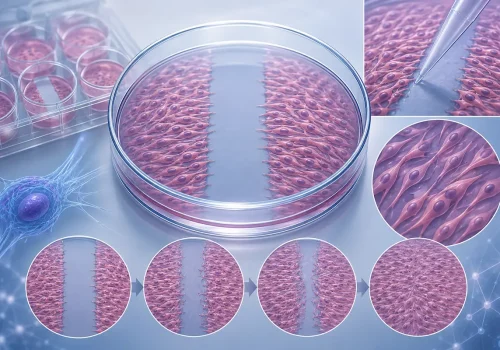



Regenerative medicine has transformed the approach to multiple diseases through the development of therapeutic strategies based on cells, tissues, and biomolecules with the capacity to promote the repair and regeneration of damaged tissues. In this context, stem cells, especially those obtained from the umbilical cord, have established themselves as one of the most promising biological resources due to their capacity for self-renewal, differentiation, and potential application in the treatment of various hematological, immunological, and degenerative diseases (Annaratone et al., 2021).
The growing interest in these therapies has led more and more families to opt for storing their children’s umbilical cord stem cells with the expectation that they may be used in the future. However, in this field, it is common to find that the terms “stem cell storage bank” and “biobank” are used as synonyms, even though from a scientific point of view they describe models with different objectives, scopes, and functions (Annaratone et al., 2021).
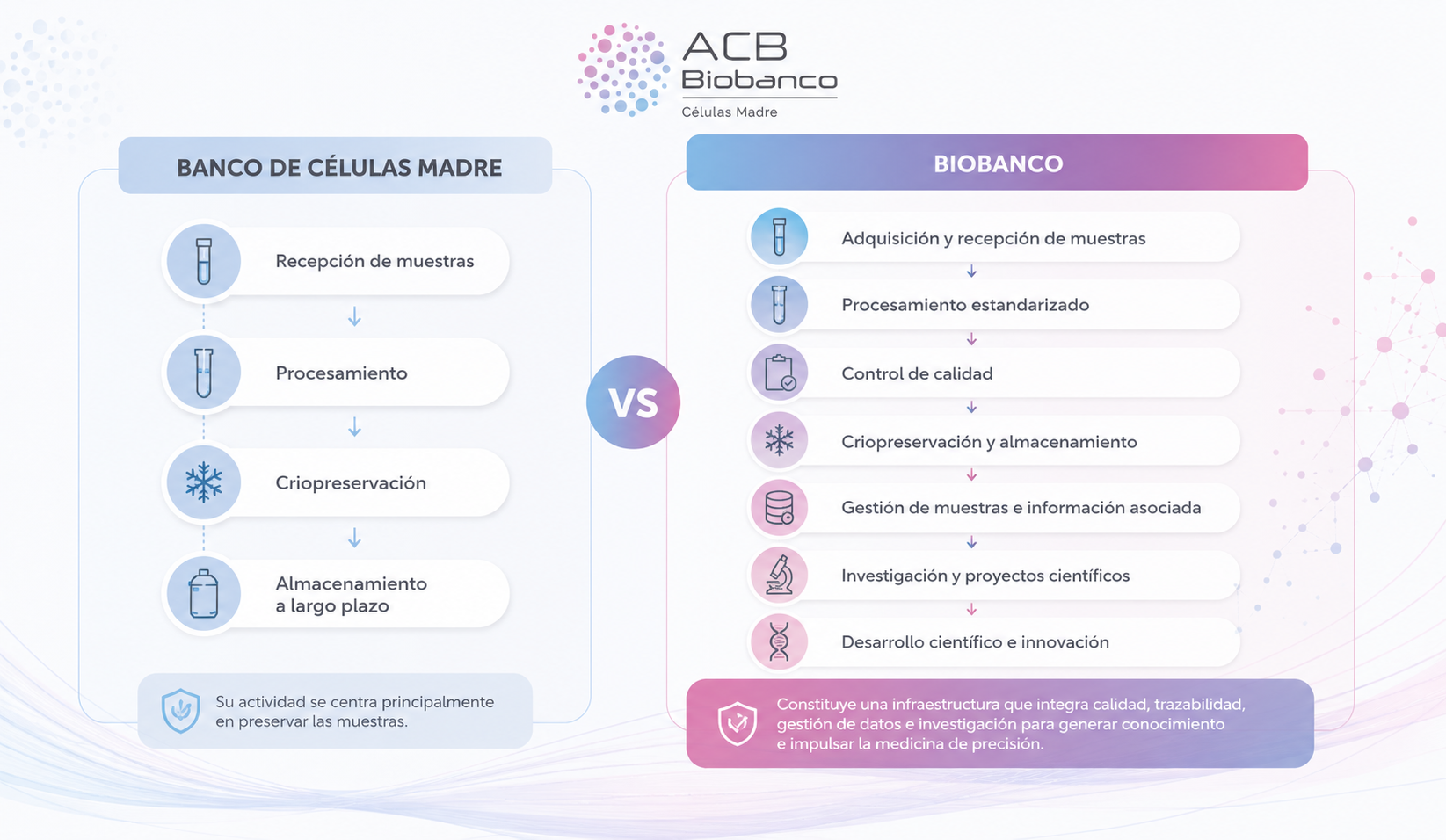
Understanding this difference is fundamental for patients, healthcare professionals, and researchers. While a storage bank’s primary purpose is to preserve the viability of biological samples through processing and cryopreservation procedures, a biobank constitutes a scientific infrastructure that integrates the acquisition, processing, preservation, data management, and quality control of biological material to support biomedical research, technological development, and precision medicine (International Organization for Standardization ISO, 2018; Annaratone et al., 2021).
What is the main difference between a biobank and a stem cell bank?
The main difference lies in the scope of their activity. While a stem cell storage bank focuses primarily on processing, cryopreserving, and conserving biological samples, a biobank integrates the management of biological material and associated information within an infrastructure also oriented toward supporting biomedical research, technological development, and precision medicine.
Therefore, storing stem cells and operating as a biobank are not equivalent concepts: the biobank expands the scope of conservation by incorporating processes and resources that increase the scientific value of the samples.
What is a stem cell storage bank?
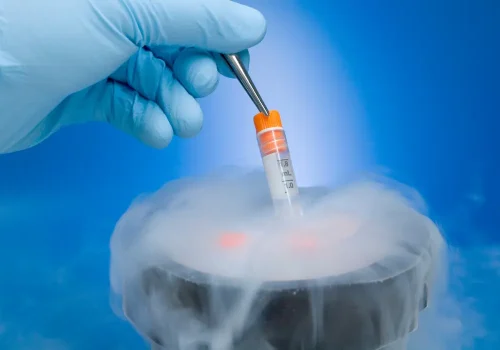
A stem cell storage bank is an institution specialized in the reception, processing, and cryopreservation of biological samples, such as umbilical cord blood or tissue, with the purpose of preserving the viability, functionality, and quality of the cells over long periods of time. To achieve this, it employs standardized protocols, cryoprotective agents, and liquid nitrogen storage systems that minimize cellular damage during the freezing and thawing processes (Annaratone et al., 2021).
The primary function of these banks is to safeguard biological material under controlled conditions that guarantee its long-term conservation. This involves maintaining continuous temperature monitoring, implementing traceability systems, performing periodic checks of storage equipment, and ensuring that each sample can be safely retrieved when required (International Society for Biological and Environmental Repositories ISBER, 2023).

Nevertheless, although this work is essential to preserve the quality and integrity of the biological material, storage represents only one stage within the management of a sample. The advancement of regenerative medicine has driven the need for infrastructures that, in addition to conserving samples, integrate research processes, quality control, data management, and scientific innovation. In this context, the concept of the biobank emerges—an evolution of the traditional storage model that expands the scope and scientific value of biological collections.
What is a biobank and why does it go far beyond storage?
The concept of the biobank has evolved over recent decades in response to the growing need for high-quality biological samples that support biomedical research and the development of precision medicine. Currently, a biobank is not defined solely by its capacity to store samples, but by its function as an organized infrastructure that guarantees the quality, traceability, and availability of biological material and associated information for its intended use (International Organization for Standardization ISO, 2018).
According to the ISO 20387:2018 standard, a biobank is an entity competent to perform biobanking activities that include the acquisition, reception, collection, processing, preservation, testing, storage, and distribution of biological material, as well as the management of associated information. More than just conserving samples, its objective is to ensure that they maintain the characteristics necessary to fulfill the purpose for which they were obtained (International Organization for Standardization ISO, 2018).
In a complementary manner, the International Society for Biological and Environmental Repositories (ISBER) establishes that a biobank must operate under quality standards that guarantee the integrity of samples throughout their entire life cycle. This involves implementing standardized procedures for the collection and processing of biological material, traceability systems, continuous monitoring of storage conditions, quality assurance and control programs, staff training, and proper document management (ISBER, 2023).
Another characteristic that distinguishes a biobank is the integration between biological samples and associated information. Clinical, demographic, and analytical data significantly increase the scientific value of the collections, as they allow for the correlation of sample characteristics with biomarkers, diseases, and potential research applications. This integration constitutes one of the pillars of precision medicine and translational research (Annaratone et al., 2021).
Thanks to this infrastructure, biobanks strengthen biomedical research by providing high-quality samples that favor the reproducibility of studies, drive the discovery of biomarkers, and facilitate the transfer of scientific knowledge toward new diagnostic and therapeutic strategies (Watson et al., 2014).
In other words, while a storage bank centers its activity on cell conservation, a biobank integrates quality processes, data management, and research that transform biological collections into a platform for generating knowledge and driving the advancement of regenerative medicine.
The value of a biobank begins before storage: processing, laboratory, and quality control
The quality of a biological sample does not depend solely on the conditions in which it is conserved. The pre-analytical stages—which include collection, transport, processing, and cryopreservation—directly influence cellular viability, molecular stability, and the utility of the sample for research and future biomedical applications (Betsou et al., 2010; ISBER, 2023).
For this reason, one of the main attributes of a biobank is the implementation of standardized procedures that guarantee the quality of the biological material from its collection to its storage. This involves working with validated protocols, trained personnel, and quality management systems that reduce variability between samples and ensure the reproducibility of processes (International Organization for Standardization ISO, 2018).
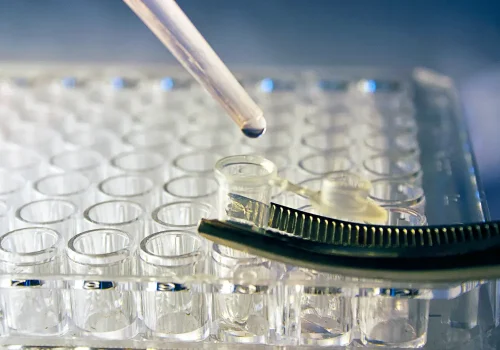
Having a specialized laboratory strengthens this process by allowing for critical activities such as the reception and evaluation of samples, cellular processing, viability tests, microbiological analyses, and quality controls prior to cryopreservation. These activities help preserve the integrity of the biological material and ensure that samples meet the standards necessary for their intended use (ISBER, 2023).

Similarly, traceability and quality control constitute fundamental pillars of a biobank. The validation of methods, monitoring of storage conditions, equipment maintenance, document management, and tracking of each sample throughout its entire life cycle strengthen the reliability of the processes and favor the generation of biological collections useful for biomedical research and collaborative projects (ISO, 2018; Vaught & Henderson, 2011).
Ultimately, the value of a biobank does not reside solely in conserving biological material, but in ensuring that each sample maintains the quality, integrity, and traceability necessary to contribute reliably to the advancement of research and regenerative medicine.
Research and innovation: the true potential of a biobank
The conservation of biological samples acquires even greater value when it becomes a tool for generating knowledge. Biobanks provide high-quality biological material that supports research on diseases, the identification of biomarkers, and the development of new strategies in regenerative medicine and personalized medicine, always under established ethical and regulatory principles (Annaratone et al., 2021).
To this end, samples must preserve their biological integrity and be accompanied by reliable and traceable information. This allows researchers and healthcare professionals to work with biological resources that meet quality standards, favoring the reproducibility of scientific results and collaboration between different institutions (ISBER, 2023).
In this context, biobanks play a strategic role by facilitating access to properly processed and preserved samples, supporting both basic and translational research. In this way, they contribute to the development of new diagnostic tools, biomarkers, and future therapeutic strategies, strengthening collaboration between research centers, health institutions, and the biomedical industry (International Organization for Standardization ISO, 2018; Watson et al., 2014).
More than a place destined for storage, a biobank constitutes a scientific platform that drives innovation and favors the continuous advancement of biomedical knowledge.

The biobank as a bridge between research and clinical application
One of the main contributions of a biobank is connecting the conservation of biological material with the generation of knowledge and its eventual application in clinical practice. Thanks to the availability of high-quality samples and reliable associated information, researchers can better understand disease mechanisms, identify biomarkers, and develop new diagnostic and therapeutic strategies (Annaratone et al., 2021).
For this process to be possible, samples must be obtained, processed, and conserved under standardized procedures that guarantee their quality, traceability, and integrity. These elements reduce pre-analytical variability and favor the reproducibility of studies, allowing the results obtained to be comparable and useful for the scientific community (International Society for Biological and Environmental Repositories [ISBER], 2023).
In this context, biobanks play a fundamental role in translational medicine by facilitating the transfer of knowledge generated in the laboratory toward the development of diagnostic tools, biomarkers, and future therapeutic strategies. In this way, they act as a bridge between basic research and clinical innovation, contributing to the advancement of regenerative medicine and personalized medicine (Watson et al., 2014).
Beyond preserving biological samples, a biobank constitutes a scientific infrastructure that drives collaboration between researchers, healthcare professionals, and institutions, favoring the translation of scientific advances into benefits for patients and society.
What benefits does a biobank offer for doctors and patients?
For healthcare professionals, a biobank provides access to biological samples processed and conserved under quality standards, with standardized procedures, traceability systems, and documentation that support their use in research and, where appropriate, in clinical applications. These characteristics favor the reproducibility of studies, strengthen scientific collaboration, and support the development of evidence-based medicine (International Organization for Standardization ISO, 2018; International Society for Biological and Environmental Repositories [ISBER], 2023).
For patients and their families, a biobank offers the peace of mind that biological samples are managed under quality systems designed to preserve their integrity and long-term availability. Likewise, by facilitating research oriented toward the study of diseases, the identification of biomarkers, and the development of new diagnostic and therapeutic strategies, biobanks contribute to the advancement of regenerative medicine and personalized medicine, with potential benefits for present and future generations (Annaratone et al., 2021).
Conclusion
The conservation of stem cells represents an investment in the future of regenerative medicine; however, the storage of samples constitutes only one part of the process. A biobank integrates scientific infrastructure, quality management systems, traceability, standardized processing, and data management to ensure that the biological material retains the characteristics necessary for biomedical research and its intended use (International Organization for Standardization ISO, 2018).
In a scenario where personalized medicine, advanced therapies, and translational research continue to evolve, biobanks play a strategic role by connecting sample conservation with the generation of scientific knowledge. More than a place destined for storage, they represent an infrastructure that drives innovation, strengthens collaboration between researchers and healthcare professionals, and contributes to the development of new solutions to improve patient care and the advancement of medicine.
America Cell Bank: from storage to the biobank model
America Cell Bank has an extensive track record in stem cell conservation, carrying out its activity as a storage laboratory since 2006 in Europe and since 2013 in Colombia, Ecuador, and the United States.
As part of its evolution and commitment to the advancement of regenerative medicine, since 2021 America Cell Bank has also operated as a biobank in Latin America, expanding its activity beyond the conservation of biological samples and integrating processes linked to processing, quality control, research, and scientific development.
This model allows America Cell Bank to connect stem cell storage with research and its application in the field of regenerative medicine, consolidating an infrastructure oriented not only toward preserving biological material but also toward contributing to the development and advancement of new biomedical solutions.
Frequently asked questions about biobanks and stem cell banks
What is the difference between a biobank and a stem cell bank?
The main difference lies in the scope of their activity. While a stem cell bank focuses primarily on the processing, cryopreservation, and conservation of biological material, a biobank also integrates the management of samples and their associated information within an infrastructure that can support biomedical research.
What is a biobank for?
A biobank allows for the acquisition, processing, preservation, storage, and management of biological material and its associated information under standardized procedures. This infrastructure allows samples to be used, among other purposes, to support biomedical research.
Does a biobank only store stem cells?
No. The concept of a biobank is not limited to stem cells and can include different types of biological material depending on its specialization and purpose. Furthermore, its activity encompasses processes that go beyond sample conservation.
What role do biobanks play in research?
Biobanks provide quality biological samples and associated information that can support research on diseases, identification of biomarkers, precision medicine, and the development of new diagnostic and therapeutic strategies.
What is the relationship between biobanks and regenerative medicine?
Biobanks can provide quality biological material for research projects related to regenerative medicine, helping to connect the conservation and characterization of samples with the generation of knowledge and the development of future biomedical applications.
References
Annaratone, L., De Palma, G., Bonizzi, G., Sapino, A., Botti, G., Berrino, E., Mannelli, C., Arcella, P., Di Martino, S., Steffan, A., Daidone, M. G., Canzonieri, V., Parodi, B., Paradiso, A. V., Barberis, M., Marchiò, C., & Alleanza Contro il Cancro (ACC) Pathology and Biobanking Working Group. (2021). Basic principles of biobanking: From biological samples to precision medicine for patients. Virchows Archiv, 479(2), 233–246. https://doi.org/10.1007/s00428-021-03151-0
Betsou, F., Barnes, R., Burke, T., Coppola, D., Desouza, Y., Eliason, J., Glazer, B., Horsfall, D., Kleeberger, C., Lehmann, S., et al. (2010). Human biospecimen research: Experimental protocol and quality control tools. Cancer Epidemiology, Biomarkers & Prevention, 19(4), 953–959.
International Organization for Standardization. (2018). ISO 20387:2018. Biotechnology—Biobanking—General requirements for biobanking. https://www.iso.org/standard/67888.html
International Society for Biological and Environmental Repositories. (2023). ISBER Best Practices: Recommendations for Repositories (5th ed.). https://www.isber.org/page/BPR/ISBER-Best-Practices-For-Repositories
Vaught, J., & Henderson, M. K. (2011). Biobank quality management. Biopreservation and Biobanking, 9(3), 223–228.
Watson, P. H., Nussbeck, S. Y., Carter, C., O’Donoghue, S., Cheah, S., Matzke, L., Barnes, R. O., & Bartlett, J. (2014). A framework for biobank sustainability. Biopreservation and Biobanking, 12(1), 60–68.