


More and more families are making decisions about their children’s future health even before birth. Among these practices, one that has gained traction in recent years is the collection and storage of umbilical cord stem cells, an alternative that combines prevention, scientific advancement, and the medicine of the future.
For a long time, the umbilical cord was considered useless biological tissue after birth. Today, thanks to advances in regenerative medicine and cell biology, it is known that both the blood and tissue of the umbilical cord contain cells of great scientific interest and therapeutic potential, leading thousands of families in different countries to consider preserving it.
Umbilical cord stem cells have a unique characteristic: they can only be obtained at the time of birth. Once delivery occurs and the cord is discarded, the possibility of collecting them disappears.
For this reason, the decision should be made in advance. Many families begin researching during pregnancy to understand what harvesting involves, how storage works, and what its potential future benefits might be.
Pre-planning also allows for the coordination of logistical and medical aspects necessary to ensure that the process can be carried out properly on the day of birth.
What exactly is being collected?
When discussing stem cell preservation, there are generally two main sources that can be obtained during childbirth.
The first is umbilical cord blood, rich in hematopoietic stem cells, known for their ability to participate in the formation of blood components and the immune system (Ballen et al., 2013).
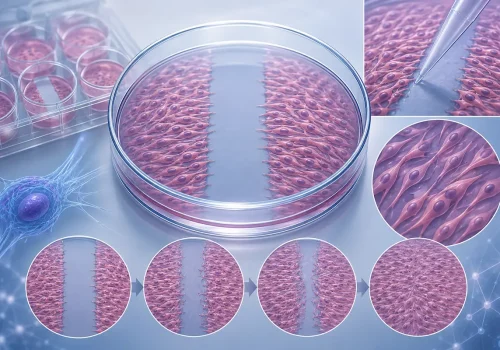
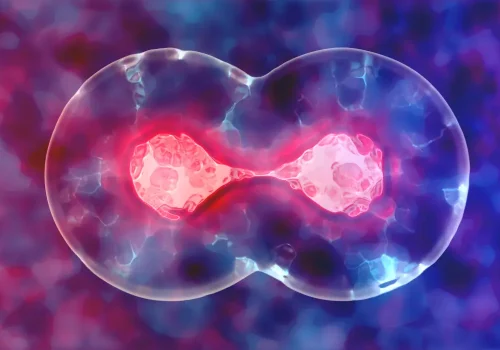
The second is umbilical cord tissue, particularly Wharton’s jelly, an important source of mesenchymal stem cells (MSCs), widely studied in regenerative medicine for their immunomodulatory properties and biological potential (Caplan, 2017).
Currently, many families choose to keep both sources due to their complementary characteristics.
Why are families making this decision?
There are various reasons behind this choice. Some families have specific medical histories and seek to expand future biological possibilities. Others are motivated by scientific advancements and the rapid development of new cell therapies.
There is also a growing interest in preventive medicine and biological preservation, especially among generations seeking to make advance decisions related to health and well-being.
Scientific development in areas such as regenerative medicine, immunology, hematological diseases, and cell therapies has significantly increased attention to the potential value of these cells.
Although not all future applications can be predicted, research continues to expand knowledge about their clinical possibilities.
What is the collection process like?
One of the aspects that generates the most peace of mind for parents is understanding that collection is a safe and non-invasive procedure.
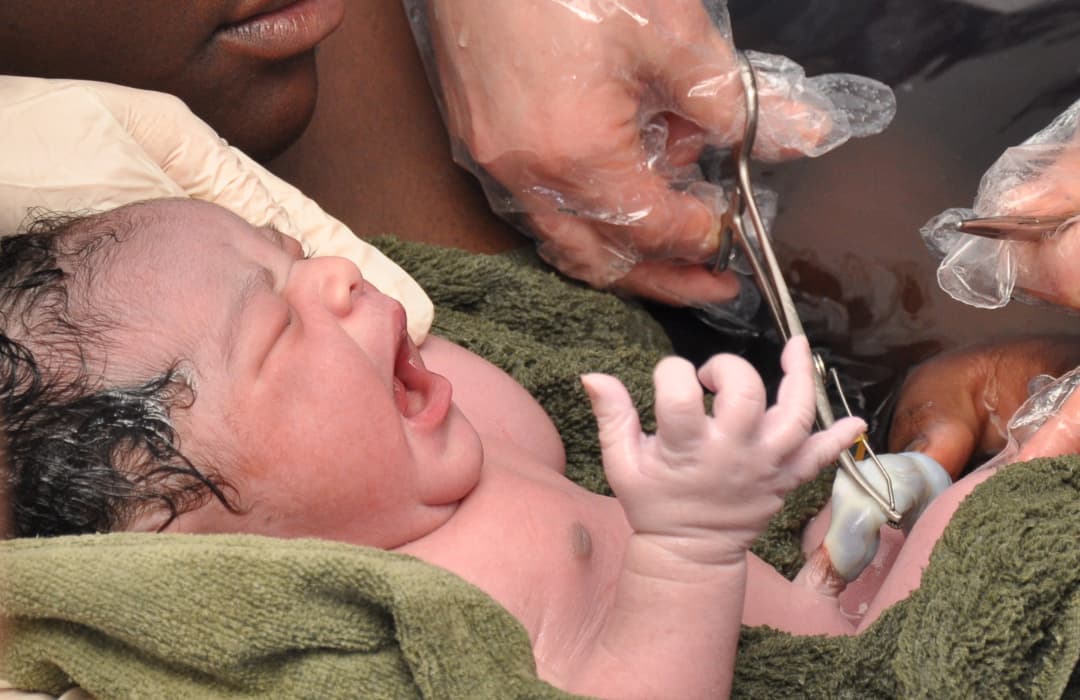
The procedure is performed after birth, once the umbilical cord has been clamped and cut. It does not cause pain to the baby and does not interfere with neonatal care or the obstetric process.
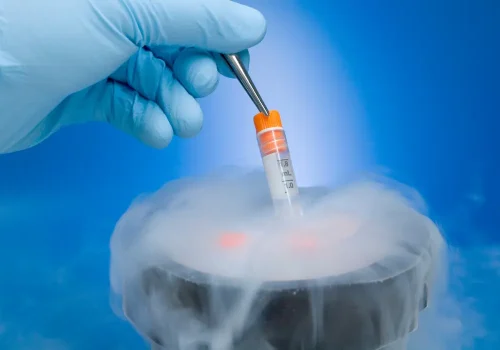
Subsequently, the sample is transported under controlled conditions to specialized laboratories, where processing and storage are carried out using cryopreservation technologies designed to maintain long-term cell viability.
Regenerative medicine and a look towards the future
Regenerative medicine continues to evolve rapidly. Every year, new research emerges related to cell therapies, molecular biology, and tissue repair mechanisms.
This scientific growth has led many families to consider cell preservation not only as a current medical decision, but as a long-term biological investment.
Although science continues to advance and many lines of research are still under development, interest in stem cell preservation continues to grow worldwide.

Umbilical cord stem cell collection is a decision that more and more families are considering before birth. The possibility of preserving a unique biological resource, available only once in a lifetime, has made this practice a relevant alternative within the current context of preventive and regenerative medicine.
Being informed in advance, understanding the available options and having specialized support are essential elements to make an informed decision.
At America Cell Bank, we support families throughout the entire process of stem cell collection, processing, and storage, offering specialized protocols, traceability, and preservation under standards designed to safeguard this biological resource for the future.
References
Ballen KK, Gluckman E, Broxmeyer HE. Umbilical cord blood transplantation: the first 25 years and beyond. Blood. 2013;122(4):491–498.
https://ashpublications.org/blood/article/122/4/491/31707
Caplan AI. Mesenchymal stem cells: time to change the name. Stem Cells Translational Medicine. 2017;6(6):1445–1451.
https://stemcellsjournals.onlinelibrary.wiley.com/doi/full/10.1002/sctm.17-0051