12 Weeks Pregnant: Ultrasound and Nausea Fading
World
Motherhood

Congratulations! You are 12 weeks pregnant, which marks the end of the first trimester. From here on, many discomforts such as nausea and fatigue begin to ease, and your baby continues to grow rapidly.

When to consult your doctor:
If you experience any of these symptoms, it is important to speak with your doctor:
Although still small, their body already has more defined proportions and looks more “human.”
Changes and Development This Week
Congratulations! You are finishing the first trimester and entering a more stable stage of pregnancy. Here are some important recommendations for this week:
Medical Checkups and Tests
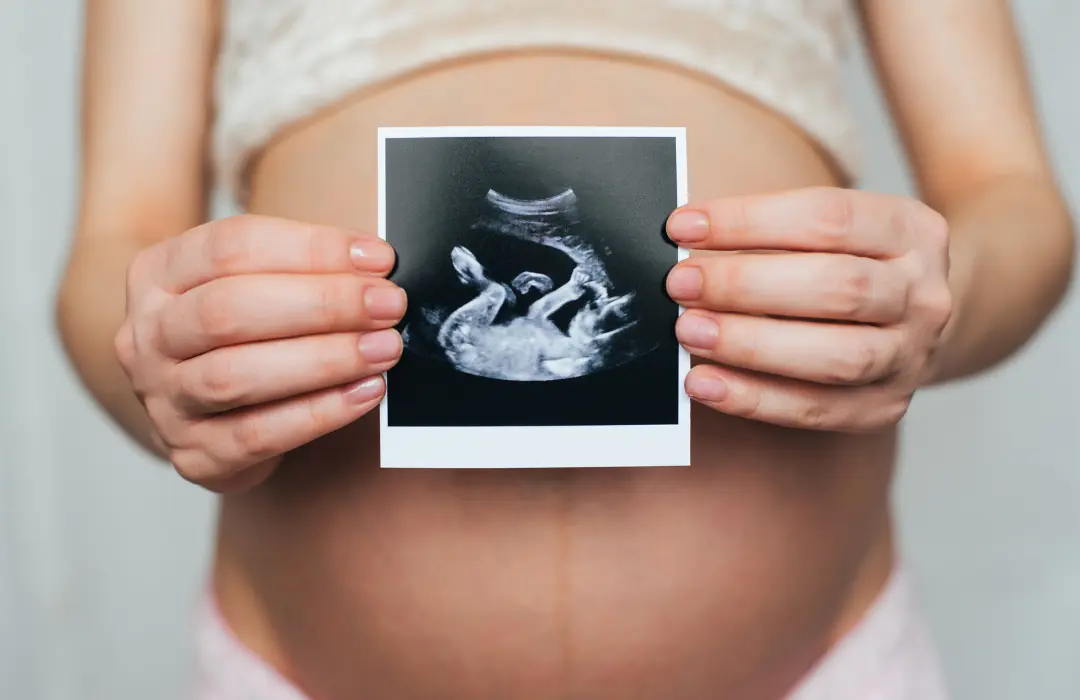
Nuchal translucency ultrasound: Performed between weeks 11 and 14 to measure the fold at the back of the baby’s neck and detect possible chromosomal abnormalities.
Optional genetic tests: Such as the fetal DNA test in maternal blood, which can detect certain chromosomal conditions and reveal the baby’s sex if you wish.
General medical checkup: Monitor your blood pressure, weight, and any new symptoms with your doctor.
Healthy Eating
Increase your intake of iron, calcium, and folic acid (spinach, lentils, broccoli, dairy, almonds).
Hydration: Drink at least 2 liters of water a day to prevent constipation and dehydration.
Avoid risky foods: No raw meats, high-mercury fish (bluefin tuna, swordfish), unpasteurized dairy, or uncooked deli meats.
Limit caffeine: No more than 200 mg per day (about one cup of coffee).
Physical Activity
Do gentle exercises such as daily walks, swimming, or prenatal yoga.
Avoid high-impact or contact sports to prevent falls or blows.
Stretching and breathing exercises will help reduce stress and improve circulation.
Body Care and Well-Being
Rest well: Try to sleep at least 7–9 hours a day and, if you can, take short naps.
Manage stress: Practice relaxation techniques such as deep breathing or meditation.
Moisturize your skin: Start applying creams or oils to your abdomen, breasts, and hips to help prevent stretch marks.
Wear comfortable clothing: Your bump may start to show, so choose loose clothing and comfortable shoes.
When to Consult Your Doctor:
If you have any of these symptoms, let your doctor know:
-Vaginal bleeding or foul-smelling discharge.
-Severe or persistent abdominal pain.
-Severe dizziness or fainting.
-Fever with no apparent cause.
Folic acid (Vitamin B9)
Helps prevent neural tube defects in the baby.
Rich foods: spinach, broccoli, lentils, asparagus, orange.
Iron
Prevents anemia and improves red blood cell production.
Rich foods: lean meat, chicken, fish, legumes, spinach.
Tip: Combine iron with vitamin C (oranges, strawberries) to improve absorption.
Calcium
Strengthens the baby’s bones and teeth.
Rich foods: milk, cheese, yogurt, almonds, broccoli.
Protein
Helps with the growth of the baby’s tissues and muscles.
Rich foods: eggs, chicken, fish, tofu, beans.
Omega-3
Supports the baby’s brain and visual development.
Rich foods: salmon, chia, flaxseed, walnuts.
Fiber
Prevents constipation, which is common at this stage.
Rich foods: fruits, vegetables, oats, whole-grain bread.
Hydration
Drink at least 2 liters of water a day to improve digestion and circulation.
Foods You Should Avoid
Fish high in mercury (bluefin tuna, swordfish, shark).
Raw or undercooked meats and eggs.
Unpasteurized dairy.
Deli meats and cold cuts without heating (ham, chorizo, sausages).
Excess caffeine (maximum 200 mg per day, approx. 1 cup of coffee).
Alcohol and tobacco.
Sample Healthy Menu
Breakfast: Yogurt with oats, strawberries, and walnuts + orange juice.
Snack: A handful of almonds and an apple.
Lunch: Grilled chicken breast with a spinach, quinoa, and avocado salad.
Snack: Whole-grain bread with fresh cheese and a banana smoothie.
Dinner: Vegetable soup with a hard-boiled egg and whole-grain toast.

Safe Exercises at Week 12
Daily walks (30–40 min)
Swimming or prenatal aquagym
Yoga or Pilates for pregnancy
Stretching and mobility exercises
Kegel exercises to strengthen the pelvic floor
Exercises You Should Avoid
Contact sports (soccer, basketball, martial arts).
High-impact exercises or those with a risk of falls (jumping, skiing, mountain biking).
Excessive weightlifting.
Exercises that require lying on your back for a long time (after the first trimester).
Reduces physical discomfort
Decreases back pain and swelling in legs and feet.
Improves posture and prevents overloading the spine.
Improves circulation and helps prevent vascular problems
Reduces the risk of varicose veins, cramps, and fluid retention.
Helps control weight
Maintains healthy weight gain and helps prevent gestational diabetes.
Supports emotional well-being
Reduces stress and anxiety and improves mood thanks to the release of endorphins.
Strengthens muscles and endurance
Prepares your body for the baby’s growth and makes labor easier.
Improves sleep quality
Helps combat insomnia and excessive fatigue.
Makes postpartum recovery easier
A stronger, more active body recovers faster after delivery.
Habits and Foods to Avoid
Smoking or being exposed to tobacco smoke → Increases the risk of preterm birth and low birth weight.
Drinking alcohol → Can cause malformations and affect the baby’s brain development.
Excess caffeine → No more than 200 mg per day (equivalent to one cup of coffee).
Raw or undercooked foods → Avoid sushi, undercooked meats, raw seafood, and raw eggs due to the risk of infections such as toxoplasmosis or listeria.
Fish high in mercury → Avoid bluefin tuna, swordfish, shark, and king mackerel.
Unpasteurized dairy → May contain dangerous bacteria such as listeria.
Deli meats and cold cuts without heating → If you eat them, heat them thoroughly first to avoid infections.
Dangerous Physical Activities and Exertion
High-impact exercise → Avoid jumping, excessive running, or contact sports.
Heavy weightlifting → Can create tension in the abdomen and lower back.
Positions that put pressure on the abdomen → Avoid exercises where you must lie on your stomach or do intense twisting.
Standing for many hours without resting → Can cause swelling and circulation problems.
Very hot baths or saunas → Raise body temperature and can be dangerous for the baby.

Other Important Precautions
Self-medicating without consulting your doctor → Some medications can be dangerous during pregnancy.
Avoid excessive stress → It can affect your health and the baby’s; practice relaxation and breathe deeply.
Do not skip medical checkups → Ultrasounds and routine tests are key to monitoring the pregnancy.
Do not use products with harsh chemicals → Avoid cleaning products with ammonia or bleach without proper ventilation.
Avoid traveling to areas with diseases such as Zika → If you must travel, consult your doctor beforehand.
The risk of miscarriage decreases considerably by week 12, as fetal development is more advanced and the placenta has begun to function properly.
In some cases, it is possible to identify the baby’s sex through an ultrasound, although certainty is higher from week 16 onward. There are genetic tests, such as the fetal DNA test in maternal blood, that can determine sex accurately.
Yes, some women still experience nausea and fatigue, although many begin to notice improvement this week. Every pregnancy is different, and symptoms can vary.
You may notice a slight increase in the size of your abdomen and breasts. You may also experience skin changes, such as a healthier glow or the appearance of dark spots due to hormones.
This ultrasound is performed between weeks 11 and 14 to measure the fold at the back of the baby’s neck and assess the risk of chromosomal abnormalities, such as Down syndrome.
Yes, moderate exercise is safe and beneficial. Walking, swimming, prenatal yoga, or Pilates are recommended. It is important to avoid high-impact or contact sports.
In most cases, yes. If the pregnancy is healthy and your doctor has not indicated restrictions, sexual intercourse does not pose a risk to the baby.
It is recommended to follow a balanced diet with enough iron, calcium, folic acid, protein, and fiber. It is also important to stay well hydrated and avoid raw foods, fish high in mercury, and excess caffeine.
Pregnancy hormones can cause emotional changes, from joy to anxiety or irritability. This is normal, but if you feel your mood is affecting your daily life, consult your doctor.
It is still early to feel fetal movements. Most women begin to notice them between weeks 16 and 22, especially first-time mothers.