Week 10 of Pregnancy: The End of the First Trimester and Initial Tests
World
Motherhood

In week 10, you are already in the final stretch of the first trimester, and your baby has reached an important milestone: they stop being an embryo and officially become a fetus. Their vital organs are already formed and begin to mature, their heart beats strongly, and their facial features are becoming more defined.
Each week is one step closer to meeting your baby. Keep taking care of yourself and enjoying this beautiful journey!
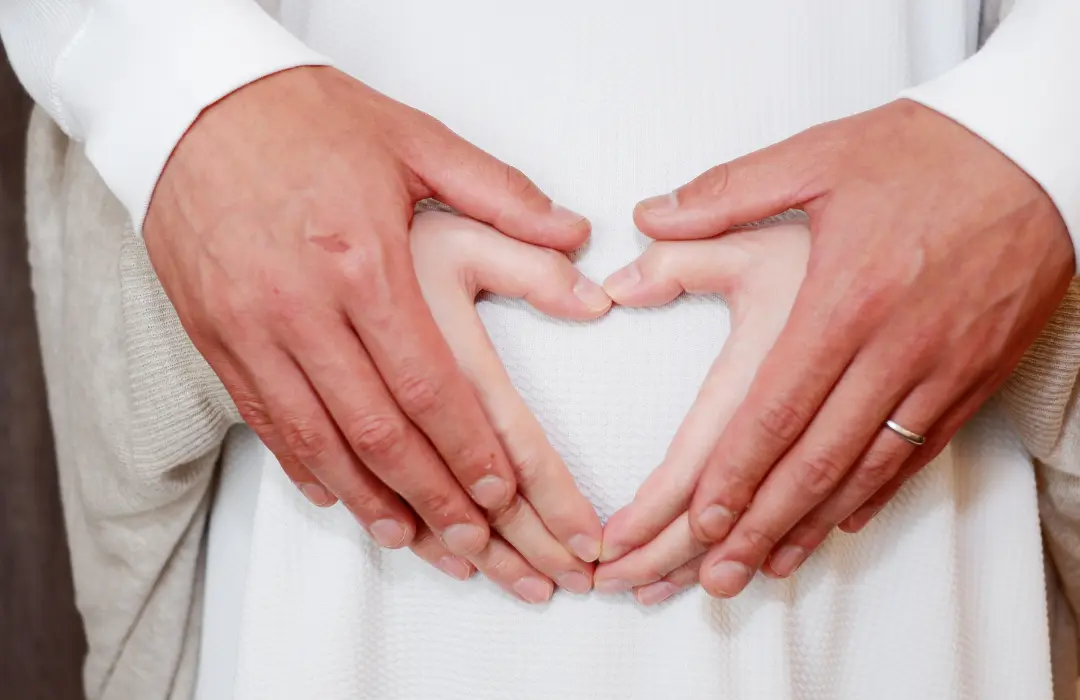
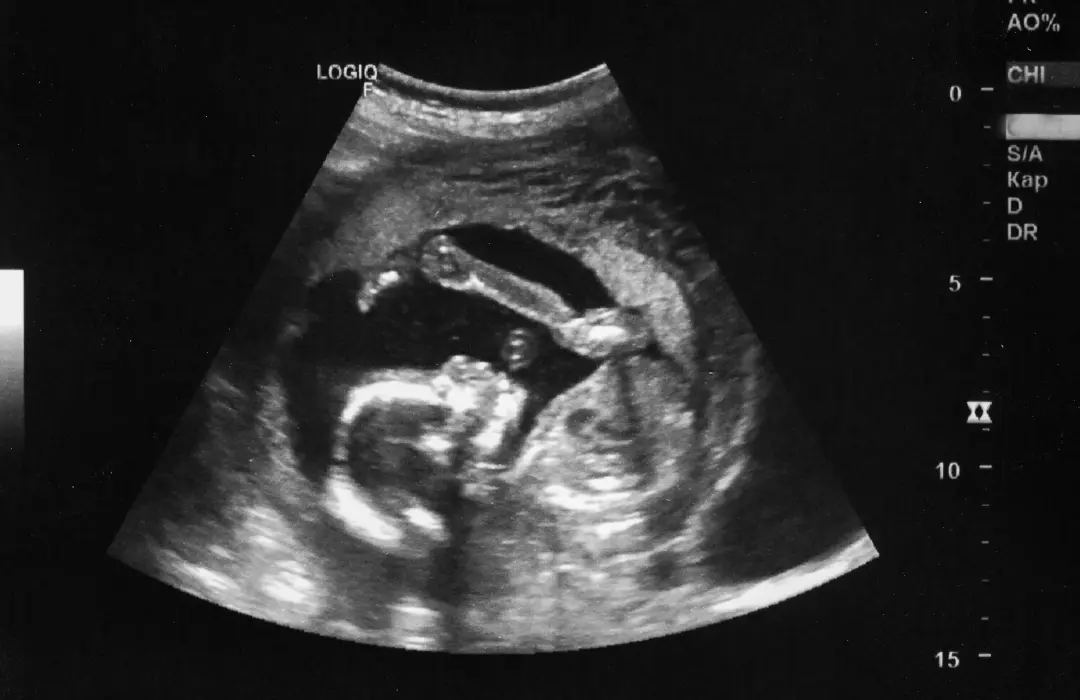
This week, your baby stops being an embryo and becomes a fetus, marking a milestone in their development. Their growth is rapid, and their main organs are already formed, although they will continue to mature over the coming weeks.
Folic acid (Vitamin B9)
Prevents neural tube defects.
Sources: Spinach, broccoli, lentils, orange, avocado.
Iron
Helps prevent anemia and supports red blood cell formation.
Sources: Lean meats, spinach, lentils, chickpeas, eggs.
Calcium
Contributes to the formation of the baby’s bones and teeth.
Sources: Milk, yogurt, cheese, almonds, broccoli, sardines.
Protein
Essential for the growth of the baby’s tissues.
Sources: Chicken, fish, eggs, legumes, tofu, nuts.
Omega-3
Supports the development of the baby’s brain and vision.
Sources: Salmon, chia, flaxseed, walnuts, olive oil.
Fiber
Helps prevent constipation.
Sources: Oats, whole-grain bread, fruits, vegetables, legumes.
Hydration
It is key for digestion and blood circulation.
Drink at least 2 liters of water per day.
Avoid:
Cold cuts and raw meats (risk of toxoplasmosis).
Excess caffeine and energy drinks.
Ultra-processed foods and foods high in sugar.
A good diet will help you feel better and help your baby grow healthy and strong. Take care of your diet and enjoy this stage!

Avoid:
High-impact exercises or those with a risk of falls.
Sudden movements or heavy weight loads.
Traditional crunches (it is better to choose adapted exercises).
Always consult your doctor before starting any routine. Listen to your body and enjoy movement safely. Your well-being and your baby’s are the most important!
-Reduces nausea and fatigue.
-Improves circulation and helps prevent swelling.
-Strengthens key muscles for pregnancy and childbirth.
-Helps manage weight gain in a healthy way.
-Improves mood and reduces stress.
-Promotes better rest and sleep quality.
Recommended exercises:
Gentle walks (20–30 min a day) – Improves circulation and the cardiovascular system.
Prenatal yoga – Helps with flexibility, breathing, and relaxation.
Kegel exercises – Strengthen the pelvic floor for childbirth and postpartum recovery.
Swimming – Reduces pressure on the joints and strengthens muscles without impact.
Gentle stretching – Relieves back pain and improves posture.
Food and Drinks
Alcohol and excessive caffeine
Raw or undercooked meats (risk of toxoplasmosis and salmonella)
Unpasteurized dairy
Fish high in mercury (tuna, swordfish, shark)
Lifestyle and Habits
Smoking or being around cigarette smoke
Self-medicating without consulting your doctor
Exposure to toxic chemicals (paints, pesticides, strong cleaners)
Stress and lack of rest (try to sleep at least 7–9 hours)

Exercise and Movements
High-impact exercises or those with a risk of falls
Lifting heavy objects
Very hot baths or saunas (can affect blood pressure and the baby’s temperature)
About the size of a strawberry (around 3–4 cm and 4–5 grams).
Yes, but they are still too small for you to feel their movements.
Yes, almost all the main organs are in place and are starting to function.
Yes, fatigue is common due to hormonal changes and increased blood production.
For many women, nausea improves between weeks 12 and 14.
Yes, unless your doctor indicates otherwise.
Hormones such as estrogen and progesterone affect your mood.
It depends on each woman, but some begin to notice changes in how their clothes fit starting this week.
Yes, but avoid high-impact exercise and consult your doctor about safe activities.
Raw meats, fish high in mercury, unpasteurized dairy, excessive caffeine, and uncooked cold cuts.
Generally between weeks 11 and 14, for the nuchal translucency ultrasound.