Week 36 of Pregnancy: Baby Dropping. Weekly Checkup at the End of Pregnancy
World
Motherhood

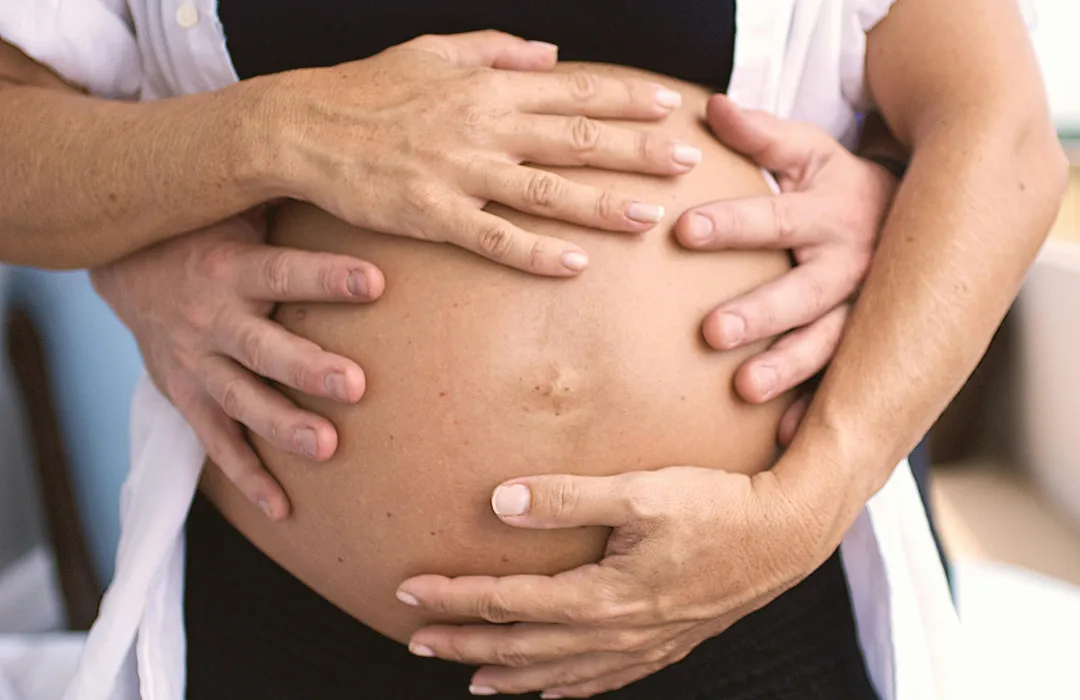
Your pregnancy is almost full term! This week, your baby continues to gain weight and put the finishing touches in place before the big day. It is possible that your baby is already fully engaged in your pelvis, preparing for birth. Your body is also adapting: your uterus has grown to its maximum, and you may notice more pressure in your lower abdomen, but at the same time, breathing may feel a bit easier because the baby has dropped slightly.

– Include protein to maintain muscle strength and support the baby’s growth.
– Iron and calcium to prevent anemia and strengthen bones.
– Avoid large meals; eat small meals every 3 hours.
– Reduce salt and processed foods to avoid fluid retention.
– Prioritize fiber-rich foods to relieve constipation.
Sample menu:
Breakfast: yogurt with oats and fruit
Lunch: grilled chicken with salad
Dinner: vegetable soup and whole-grain bread
Moderate movement is still important:
Short walks: help the baby engage.
Kegel exercises: strengthen the pelvic floor and prepare for labor.
Yoga or gentle stretching: relieve tension in the back and legs.
Benefits:
– Improves circulation.
– Reduces stress.
– Prepares your body for a smoother labor.
Do not lift heavy objects or do intense exertion.
Avoid spending long periods standing.
Do not consume alcohol, tobacco, or excessive caffeine.
Do not ignore regular contractions or fluid leakage.
Avoid long trips or exhausting activities.

Yes, although it is still a bit early; babies born from week 37 onward are considered full term.
The doctor may suggest exercises, maneuvers, or a C-section depending on the case.
It depends on how you feel and the type of work you do. Many moms start their leave between weeks 36 and 38.
Your baby is dropping and preparing their final position.
You are about 4 weeks from your due date, although labor may start a little earlier or later.