17 Weeks Pregnant: Fetal Hearing Development and What Your Baby Can Hear
World
Motherhood
At 17 weeks pregnant, the baby continues to develop at high speed, and the mother begins to notice more evident changes in her body. This stage of the second trimester is characterized by increased energy and the accelerated growth of the uterus.
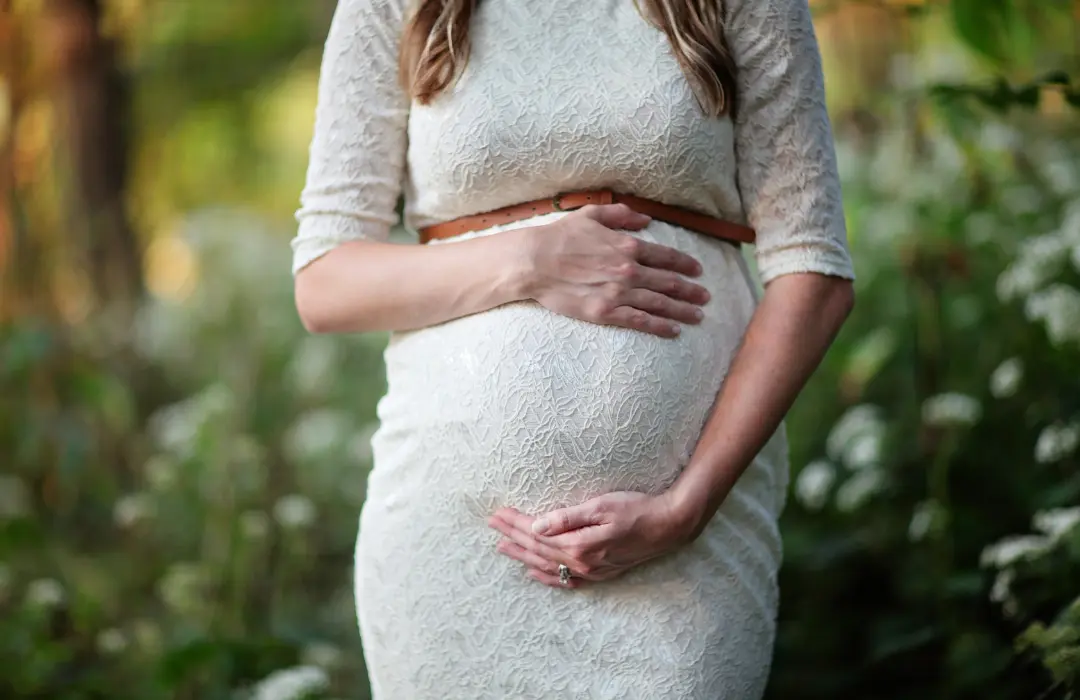
At week 17, the baby measures approximately 13 to 14 centimeters from head to rump and weighs around 140 to 150 grams, similar in size to a pear or a pomegranate.
Balanced Nutrition
Stay well hydrated by drinking at least 2 liters of water a day.
Prenatal Care and Health
Preparation and Emotional Well-being
Iron: Prevents anemia and helps transport oxygen to the baby.
Sources: Lean meats, spinach, lentils, chickpeas, quinoa, and fortified cereals.
Tip: Consume with vitamin C (oranges, strawberries, kiwi) to improve absorption.
Calcium: Essential for the development of the baby’s bones and teeth.
Sources: Dairy products, almonds, broccoli, tofu, and chia seeds.
Tip: Avoid consuming calcium and iron in the same meal for better absorption.
Folic acid: Remains key to preventing neural tube defects and promoting cellular development.
Sources: Spinach, broccoli, asparagus, citrus fruits, beans, and prenatal supplements.
Omega-3: Supports the baby’s brain and eye development.
Sources: Fatty fish (salmon, sardines), walnuts, flaxseeds, and chia seeds.
Proteins: Essential for the baby’s growth and the development of muscles and tissues.
Sources: Lean meats, eggs, legumes, nuts, and dairy products.
Fiber: Helps prevent constipation, which is common at this stage of pregnancy.
Sources: Fruits, vegetables, whole grains, oats, and legumes.
Hydration: It is important to drink at least 2 liters of water a day to maintain good blood circulation and avoid dehydration.
Foods to Avoid or Limit
Caffeine: No more than 200 mg per day (equivalent to one cup of coffee).
Fish with high mercury content: Avoid shark, swordfish, and bluefin tuna.
Raw or undercooked foods: Avoid sushi, raw meats, and eggs that are not fully cooked.
Unpasteurized cheeses and deli meats: To prevent infections such as listeriosis.
Additional Tips
Eat small, frequent portions to avoid heartburn.
Plan balanced meals with a combination of protein, healthy carbohydrates, and good fats.
Listen to your body’s signals and eat when hungry, avoiding excesses.

Recommended Exercises
Daily 30-minute walks.
Prenatal yoga to improve flexibility and relaxation.
Swimming or water aerobics to relieve pressure on the joints.
Pelvic floor strengthening exercises such as Kegels.
Gentle stretching to relieve muscle tension.
Exercises to Avoid
Contact or high-impact sports (soccer, basketball, boxing).
Exercises with a risk of falling (cycling, skiing, skating).
Lifting excessive weights.
Routines that require lying on your back for a long time.
Improves blood circulation: Helps reduce swelling in legs and feet, preventing problems such as varicose veins and cramps.
Decreases the risk of gestational diabetes and preeclampsia: Staying active contributes to regulating blood sugar levels and blood pressure.
Strengthens muscles and endurance: Exercising strengthens the pelvic floor, back, and legs, which helps better support weight gain and prevent lower back pain.
Reduces stress and improves mood: During exercise, the body releases endorphins, which decreases anxiety and promotes better rest.
Helps control weight gain: Maintaining a physical activity routine prevents excessive weight gain, which reduces the risk of complications during delivery.
Improves posture and prevents back pain: By strengthening the core and lower back, pressure on the spine and pelvis is reduced.
Facilitates postpartum recovery: An active body recovers faster after childbirth, both in strength and muscle tone.
Excessive Physical Effort
Do not lift heavy objects, as it can increase the risk of back injuries and pressure on the pelvic floor.
Avoid high-impact exercises or sports with a risk of falling, such as skiing, mountain biking, or horseback riding.
Do not make sudden movements or sharp turns that could affect stability.
Poor Eating Habits
Avoid raw or undercooked foods, such as meats, seafood, and eggs, to prevent infections like toxoplasmosis or salmonellosis.
Do not consume unpasteurized cheeses or uncooked deli meats, as they may contain listeria.
Reduce caffeine intake to less than 200 mg per day (approximately one cup of coffee).
Avoid ultra-processed foods high in sugars and saturated fats, which can affect weight control and metabolic health.
Poor Posture and Sedentary Lifestyle
Do not stand or sit for long periods without moving, as it can cause leg swelling and increase the risk of varicose veins.
Avoid sleeping on your back, as the weight of the uterus can compress the vena cava and hinder blood flow.
Do not wear high heels for long periods, as they can increase lower back pain and the risk of falls.
Stress and Lack of Rest
Do not ignore your body’s signals: if there is fatigue, it is important to rest and avoid overexertion.
Avoid situations of extreme stress, as they can affect emotional well-being and blood pressure.
Do not sleep less than 7 to 8 hours a day, as the body needs to recover.
Harmful Substances
Do not smoke or be exposed to tobacco smoke, as it can affect the baby’s lung development.
Do not consume alcohol in any amount, as it can cause complications in fetal development.
Avoid medications without medical supervision, as some can be harmful to the baby.
Neglecting Medical Check-ups
Do not postpone prenatal consultations or medical tests recommended at this stage.
Do not ignore symptoms such as bleeding, severe pain, or sudden swelling in the hands and face, as they may be warning signs.
It is not recommended, as the weight of the uterus can compress the vena cava, reducing blood flow to the heart and the baby. It is best to sleep on your side, preferably on the left side.
Yes, many women notice skin changes, such as the linea alba on the abdomen, darkening of the areolas, or the appearance of spots on the face due to increased melanin.
Yes, but they should be moderate and safe exercises, such as walking, prenatal yoga, or swimming. High-impact exercises or those with a risk of falling should be avoided.
The doctor may recommend a second-trimester ultrasound between weeks 18 and 22 to evaluate the baby's development. Blood tests may also be performed if necessary.
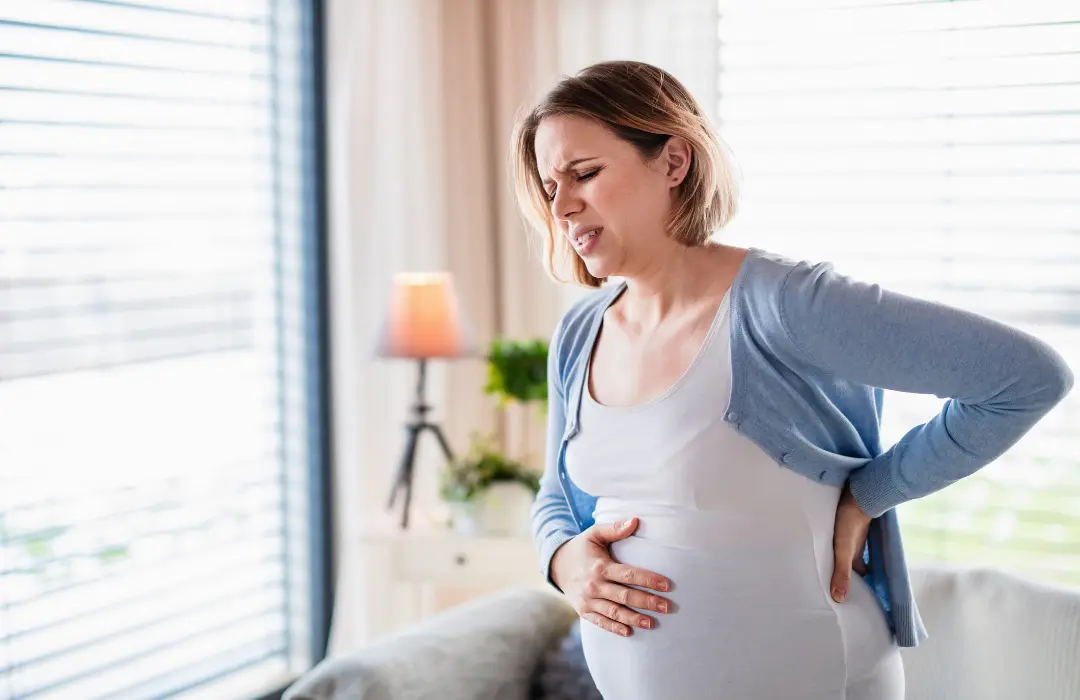
Yes, many women feel pain in the round ligaments of the uterus, which stretch as the baby grows. It is a sharp or pulling pain that usually improves with rest.
By maintaining good hydration, avoiding standing or sitting for long periods without moving, elevating your legs when possible, and wearing comfortable clothing and footwear.
Yes, unless the doctor indicates otherwise. Sex does not affect the baby, as they are protected by the amniotic fluid and the cervix.