16 Weeks Pregnant: First Movements? Tips for Better Sleep
World
Motherhood
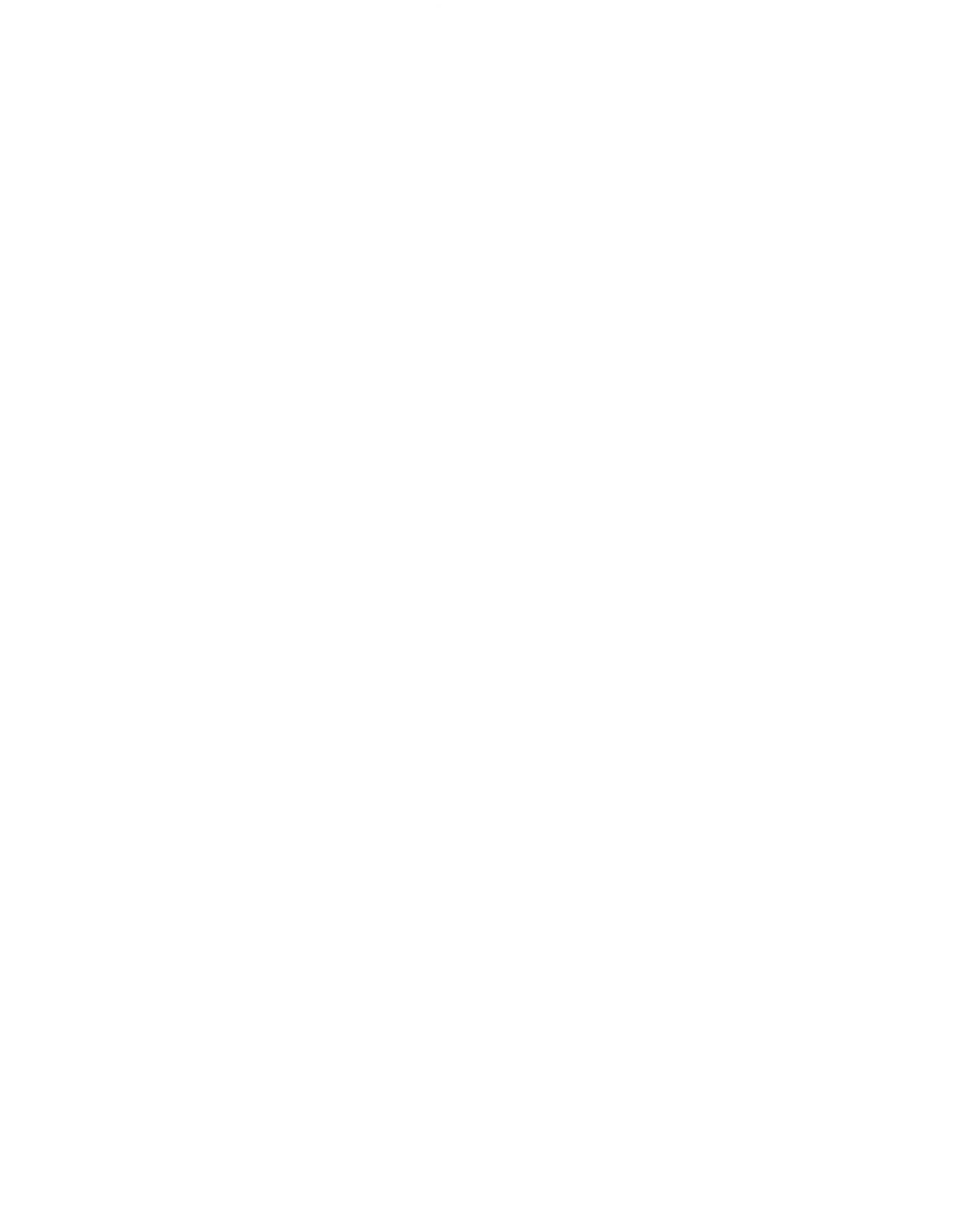
At 16 weeks pregnant, you are in the second trimester, which is one of the most comfortable stages for many women. The baby continues to grow rapidly, and you may soon begin to feel their first movements.
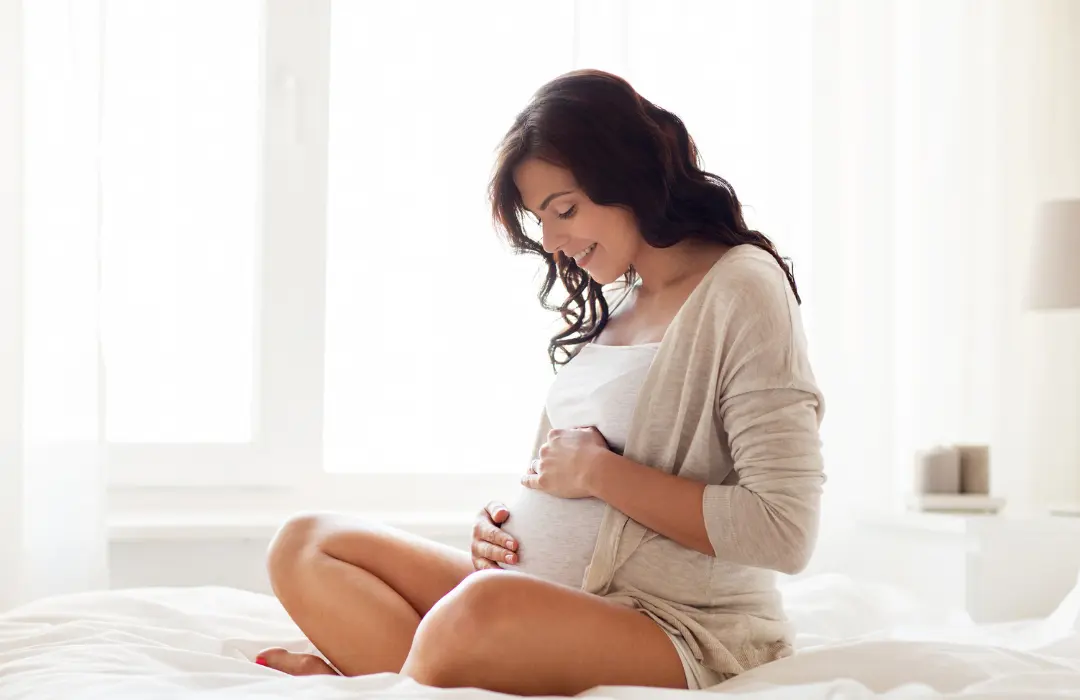
Maintain a Balanced Diet
Continue with Prenatal Care
Stay Active with Moderate Exercise
Stay Well Hydrated
Care for Your Skin
Improve Posture and Care for Your Back
Manage Stress and Emotions
Increase Protein Intake
Proteins help in the development of the baby’s organs and muscles.
Good sources: lean meats, chicken, fish, eggs, legumes, tofu, and dairy.
Consume Enough Iron and Folic Acid
Iron prevents anemia and promotes oxygen transport to the baby.
Good sources: spinach, lentils, lean red meat, liver, nuts, and fortified cereals.
Consuming vitamin C (orange, strawberries, kiwi) helps absorb iron better.
Folic acid remains key to preventing neural tube defects.
Ensure a Good Supply of Calcium and Vitamin D
The baby needs calcium for the development of their bones and teeth.
Good sources: milk, yogurt, cheese, almonds, broccoli, and sardines.
Vitamin D helps with calcium absorption and is obtained from moderate sun exposure or foods like salmon, eggs, and fortified dairy.
Include Omega-3 Fatty Acids
They promote brain development and the formation of the baby’s retina.
Good sources: fatty fish (salmon, tuna, sardines), chia, flaxseed, walnuts, and avocado.
Consume Fiber to Avoid Constipation
During pregnancy, digestion can become slower.
Good sources: fruits, vegetables, legumes, whole grains, and seeds.
Drinking enough water is also key to good digestion.
Avoid Excessive Sugar and Ultra-Processed Foods
Reduce the consumption of sodas, pastries, sweets, and fast food to avoid excessive weight gain and problems like gestational diabetes.
Drink Enough Water
Staying well hydrated helps with digestion, circulation, and the formation of amniotic fluid. At least 2 liters of water a day is recommended.
Modify Meals in Case of Nausea or Heartburn
If digestive discomfort persists, opt for small, frequent meals instead of large portions.
Avoid fried, spicy, and very heavy foods before bed.
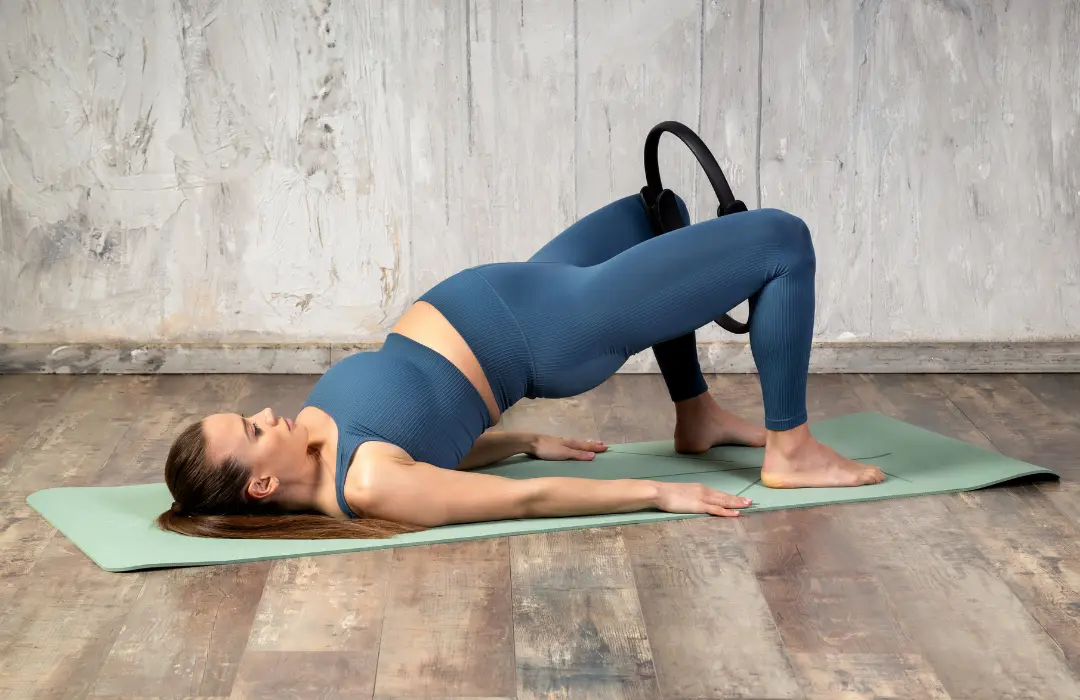
Recommended Exercises in Week 16
Daily walks (30 to 40 minutes).
Swimming or water aerobics, which reduce impact on joints.
Prenatal yoga to improve flexibility and relaxation.
Muscle strengthening exercises with light weights or resistance bands.
Prenatal Pilates to improve posture and strengthen the core.
Exercises to Avoid
High-impact sports or risk of falls (cycling, skiing, contact sports).
Exercises that involve lying flat on your back for a long time.
Lifting excessive weight or making sudden movements.
Improves Circulation and Reduces Swelling
Exercise stimulates blood circulation, preventing fluid retention and reducing swelling in the legs and feet.
Prevents Excessive Weight Gain
It helps control weight in a healthy way, reducing the risk of gestational diabetes and other complications.
Reduces Back and Joint Pain
It strengthens the muscles that support the abdomen and spine, which helps relieve lower back pain and pelvic pressure.
Improves Mood and Reduces Stress
It releases endorphins, the happiness hormones, which helps decrease anxiety, stress, and possible symptoms of depression.
Facilitates Digestion and Prevents Constipation
Staying active promotes intestinal movement and helps combat constipation, a common problem at this stage of pregnancy.
Increases Stamina for Childbirth
Exercise improves cardiovascular capacity and muscular endurance, facilitating labor and postpartum recovery.
Improves Sleep Quality
It helps you fall asleep faster and reduces discomforts that can interrupt rest, such as cramps or muscle tension.
Strengthens the Pelvic Floor
Exercises like yoga or Kegels strengthen the pelvic floor muscles, which helps prevent urinary incontinence and facilitates recovery after childbirth.
Do Not Consume Alcohol, Tobacco, or Drugs
Alcohol consumption can affect the baby’s development and cause fetal alcohol syndrome.
Smoking increases the risk of premature birth, low birth weight, and respiratory problems.
Drugs can cause congenital malformations and affect the baby’s brain development.
Avoid Excessive Caffeine Consumption
It is recommended not to exceed 200 mg of caffeine per day (equivalent to one cup of coffee).
Excessive caffeine can affect iron absorption and increase the risk of miscarriage or low birth weight.
Do Not Eat Raw or Undercooked Foods
Avoid raw or undercooked meats, eggs, and fish to prevent infections such as toxoplasmosis and listeriosis.
Do not consume deli meats, unpasteurized soft cheeses, or raw shellfish.
Do Not Sleep on Your Back for Long Periods
From the second trimester onwards, sleeping on your back can compress the vena cava, reducing blood flow to the baby.
It is recommended to sleep on your side, preferably the left side, to improve circulation.
Do Not Perform High-Impact or Risky Exercise
Avoid activities such as skiing, horseback riding, mountain biking, contact sports, or sudden movements.
Do not lift excessive weight or do exercises that involve lying on your back for a long time.
Do Not Expose Yourself to High Temperatures
Avoid saunas, hot tubs, and very hot baths, as they can raise body temperature and affect the baby’s development.
Do not perform intense exercise in hot environments.
Do Not Self-Medicate
Always consult your doctor before taking any medication, supplement, or natural remedy, as some can be dangerous for the baby.
Do Not Neglect Nutrition and Hydration
Skipping meals or not consuming enough water can cause fatigue, dizziness, or digestive problems.
Avoid excessive consumption of sugars and ultra-processed foods.
Do Not Ignore Unusual Symptoms
If bleeding, painful contractions, high fever, or intense dizziness occur, it is essential to see a doctor immediately.
Do Not Expose Yourself to Toxic Substances
Avoid cleaning products with strong chemicals, pesticides, or lead-based paints.
Use gloves and a mask if handling chemical products is required.
Some women begin to notice light movements this week, especially if it is not their first pregnancy. However, it is more common to feel them clearly between weeks 18 and 22.
Yes. Many women notice that nausea and fatigue decrease in the second trimester, allowing them to feel more energetic.
Yes, as long as it is moderate exercise approved by your doctor. Walking, swimming, prenatal yoga, and Pilates are recommended. Contact sports, high-impact exercises, or those with a risk of falling should be avoided.
In many cases, the baby's sex can already be identified in an ultrasound from week 16, although it is usually confirmed with greater precision between weeks 18 and 20.
Yes, it may be due to the stretching of the uterine ligaments. If the pain is mild and temporary, it is normal. If it is strong or accompanied by bleeding, you should consult a doctor.
It is not necessary to "eat for two," but it is important to increase the intake of essential nutrients such as protein, calcium, and iron. A balanced diet with five meals a day is ideal.
Yes, the second trimester is one of the best times to travel, as symptoms are usually milder. If traveling by plane, it is important to move around every so often to avoid circulatory problems.
You should see a doctor if you experience:
-Vaginal bleeding.
-Intense abdominal pain or regular contractions.
-High fever without an apparent cause.
-Dizziness or blurred vision.
-Loss of amniotic fluid.
Metabolism speeds up and the baby continues to grow, which can increase appetite. It is important to opt for healthy foods instead of ultra-processed food or those with excess sugar.
Yes, in most cases, it is safe to have sexual relations during pregnancy. However, if there are complications such as placenta previa, risk of premature birth, or bleeding, it is important to consult a doctor.
Although there is no evidence that dyes are dangerous, some doctors recommend waiting until the second trimester and opting for ammonia-free dyes.