Week 14 of Pregnancy: First Visible Symptoms. Is the Bump Showing?
World
Motherhood

Week 14 marks the beginning of one of the most comfortable stages of pregnancy for many women. Most first-trimester symptoms, such as nausea and fatigue, begin to subside, giving way to a period of increased energy and well- objective. Meanwhile, the baby continues to grow and develop rapidly within the uterus.

Changes in the Mother
Recommended Care
Increase Protein Intake
Proteins are essential for the baby’s growth and the development of their organs. It is recommended to include:
Lean meats (chicken, turkey, fat-free beef)
Low-mercury fish (salmon, tilapia, sardines)
Eggs
Legumes (lentils, chickpeas, beans)
Dairy products (cheese, yogurt, milk)
Nuts and seeds (almonds, walnuts, chia)
Consume Foods Rich in Iron
Iron prevents anemia and promotes red blood cell production. It is found in:
Spinach, Swiss chard, broccoli
Lean red meats
Lentils and beans
Fortified cereals
Liver (in moderation)
It is advisable to combine these foods with sources of vitamin C (such as oranges, strawberries, or peppers) to improve iron absorption.
Ensure a Good Source of Calcium
Calcium is fundamental for the development of the baby’s bones and teeth. It is found in:
Milk and derivatives (yogurt, cheese)
Almonds
Sardines and salmon with bones
Broccoli and kale
Maintain an Adequate Intake of Folic Acid
Folic acid remains essential for the formation of the baby’s nervous system. It is found in:
Spinach, lettuce, asparagus
Avocado
Legumes
Citrus fruits
Additionally, it is recommended to continue with the supplementation indicated by your doctor.

Consume Omega-3 Fatty Acids
These help with the baby’s brain and visual development. Healthy sources include:
Low-mercury fatty fish (salmon, canned light tuna)
Chia and flax seeds
Walnuts
Olive oil and avocado
Include Fiber to Avoid Constipation
Constipation is common at this stage, so it is recommended to consume:
Fresh fruits with skin (apple, pear)
Green leafy vegetables
Whole grains (oats, brown rice, whole-wheat bread)
Legumes
Drink Enough Water
It is important to stay hydrated to avoid urinary tract infections and constipation. It is recommended to drink at least 2 liters of water per day.
Foods to Avoid
Raw or undercooked meats and fish
Unpasteurized cheeses
Cold cuts and raw shellfish
Fish with high mercury content (swordfish, shark, bluefin tuna)
Ultra-processed foods with excess sugar and trans fats
Recommended Exercises
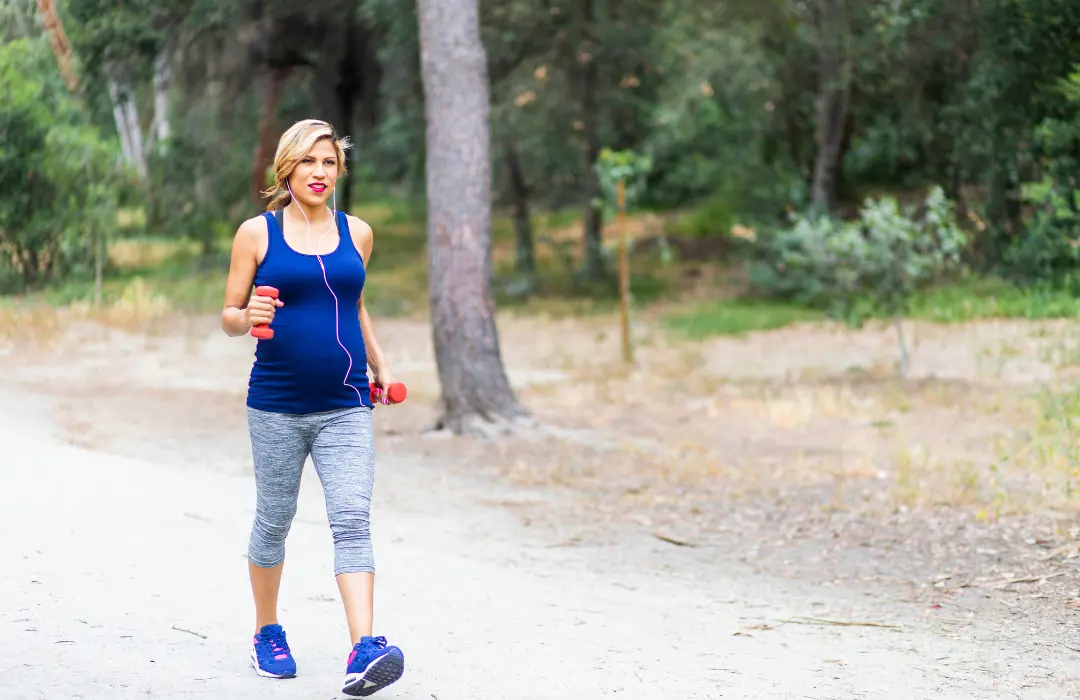
Daily walks (30 to 40 minutes)
Swimming (relieves pressure on joints)
Prenatal yoga (improves flexibility and relaxation)
Low-impact exercises such as Pilates or stationary cycling
Pelvic floor strengthening exercises such as Kegels
Exercises to Avoid
High-impact sports or those with a risk of falling (such as skiing or horse riding).
Lifting very heavy weights.
Exercises that involve lying on your back for a long time.
Improves Circulation and Prevents Swelling
Promotes blood flow, reducing fluid retention and swelling in the legs and feet.
Decreases the Risk of Gestational Diabetes and Preeclampsia
Helps regulate blood sugar levels and maintain stable blood pressure.
Strengthens Muscles and Joints
Helps prepare the body for the physical changes of pregnancy and facilitates adaptation to weight gain.
Relieves Back and Hip Pain
Strengthens the core and lower back, reducing pressure on the spine.
Regulates Intestinal Transit
Movement helps avoid constipation, which is common at this stage due to hormonal changes.
Reduces Stress and Improves Mood
Releases endorphins, which helps decrease anxiety, stress, and mood swings.
Promotes Better Rest
Helps improve sleep quality and reduce insomnia.
Facilitates Postpartum Recovery
Staying active during pregnancy contributes to a faster recovery after childbirth.
Consuming Alcohol, Tobacco, or Drugs
These can affect the baby’s development and increase the risk of complications such as premature birth or low birth weight.
Consuming Unsafe Foods
Avoid raw or undercooked meats, fish, and eggs to prevent infections such as toxoplasmosis or listeriosis.
Do not consume unpasteurized dairy or soft cheeses (such as brie or Roquefort).
Limit consumption of fish with high mercury content (swordfish, shark, bluefin tuna).
Exceeding Caffeine Intake
It is not recommended to exceed 200 mg of caffeine per day (approximately 1 cup of coffee), as it can affect the baby’s heart rate.
Performing Excessive or High-Risk Exercise
Avoid contact sports or those with a risk of falls or impacts (such as skiing, horse riding, or soccer).
Do not perform exercises that involve lying on your back for a long time, as they can reduce blood flow.
Self-Medicating
Do not take medications without a doctor’s instruction, as some can affect fetal development.
Exposure to Harmful Chemicals
Avoid cleaning products with strong chemicals or pesticides.
Do not expose yourself to lead-based paints or solvents.
Neglecting Oral Hygiene
Do not ignore gum care, as hormonal changes can increase the risk of gingivitis and cavities.

Going Too Long Without Eating
Do not skip meals or let many hours pass without eating, as it can cause dizziness and affect blood sugar levels.
Lying Down Immediately After Eating
This can increase heartburn and reflux. It is recommended to wait at least one hour before lying down.
Sleeping on Your Back
From this stage onwards, sleeping on your back for prolonged periods can affect circulation. It is better to start getting used to sleeping on your side, preferably on the left side.
Yes, many women experience a reduction in nausea and vomiting in the second trimester due to hormonal stabilization. However, some may continue to feel them for longer.
The baby measures approximately 8.5 to 9 cm and weighs between 40 and 50 grams. Their organs are almost completely formed and their facial features are more defined.
It is possible, although in most cases, the movements are still very slight and difficult to distinguish. First-time mothers usually feel them between weeks 18 and 22.
Yes, the second trimester is considered the best time to travel, as energy returns and there is less discomfort. However, it is advisable to consult with your doctor before taking long trips.
Yes, as long as it is low-impact, such as walking, swimming, or practicing prenatal yoga. Contact sports or those with a risk of falling should be avoided.
It depends on your pre-pregnancy weight. On average, for a woman with a healthy weight, the increase in the second trimester is 300 to 500 grams per week.
Yes, in most cases it is safe and does not affect the baby. However, if there is a history of bleeding, placenta previa, or other complications, it is important to consult your doctor.
An increase in vaginal discharge is normal due to hormonal changes and increased blood flow to the pelvic area. It should be clear or whitish and without a foul odor.
Yes, with the decrease in nausea and the baby's growth, appetite increases. It is recommended to opt for healthy meals and avoid excesses.
Keeping the skin hydrated with creams or oils, drinking enough water, and consuming foods rich in collagen and vitamin E can help prevent them or reduce their appearance.