Pregnancy Week 19: Uterine Size and Round Ligament Pain
World
Motherhood
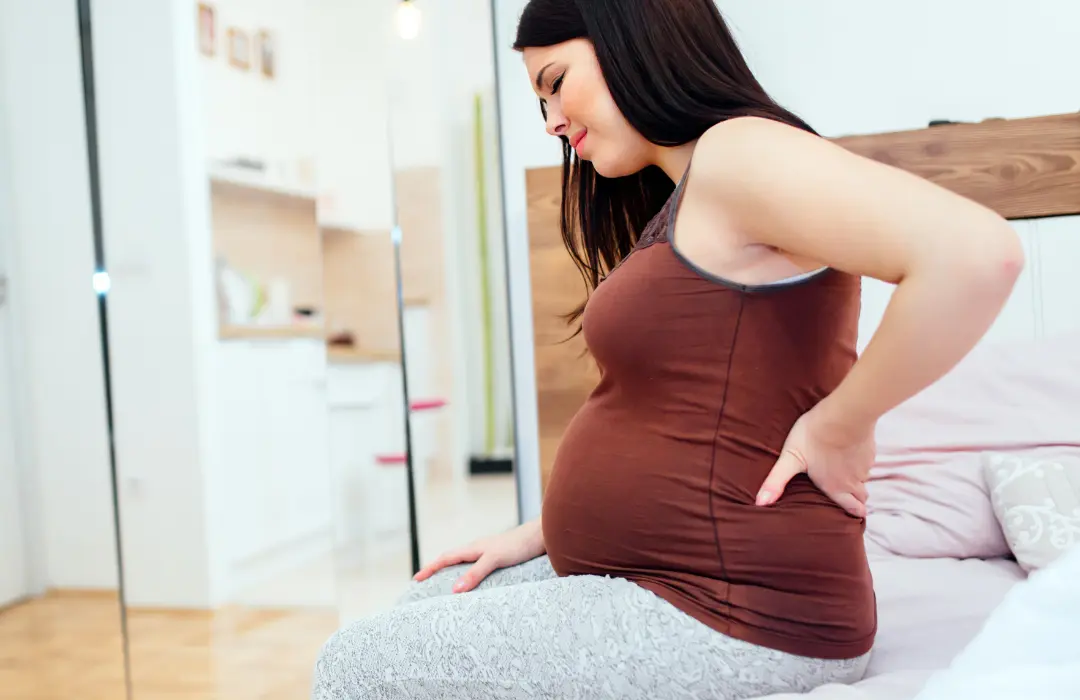
At week 19 of pregnancy, you are in the middle of the second trimester and getting closer to the halfway point of the gestation process. The baby continues to grow rapidly and develop new skills, while your body continues to adapt to hormonal and physical changes.
At week 19 of pregnancy, the baby measures approximately 15 to 17 cm from head to toe and weighs around 250 to 300 grams. Their size is similar to that of a large mango or a medium tomato.
Increase Protein Intake
Proteins are fundamental for the development of the baby’s tissues.
Recommended sources: chicken, fish, lean meat, eggs, legumes, tofu, and nuts.
Consume Calcium for the Baby’s Bones
Calcium is essential for the baby’s bone and dental formation.
Recommended sources: milk, yogurt, cheese, almonds, broccoli, and sesame seeds.
Ensure a Good Iron Supply
Prevents anemia and helps in the production of red blood cells.
Recommended sources: lean red meat, spinach, lentils, chickpeas, liver, and fortified cereals.
Combine iron with vitamin C (oranges, strawberries, kiwi) to improve its absorption.
Include Omega-3 Fatty Acids
They benefit the baby’s brain and eye development.
Recommended sources: salmon, sardines, chia, flaxseed, and walnuts.
Fiber to Avoid Constipation
Constipation is common in pregnancy, so it is important to consume enough fiber.
Recommended sources: fruits, vegetables, whole grains, and legumes.
Stay Hydrated
Drinking at least 2 liters of water a day helps digestion and prevents fluid retention.
You can also consume mild herbal teas and natural juices without sugar.
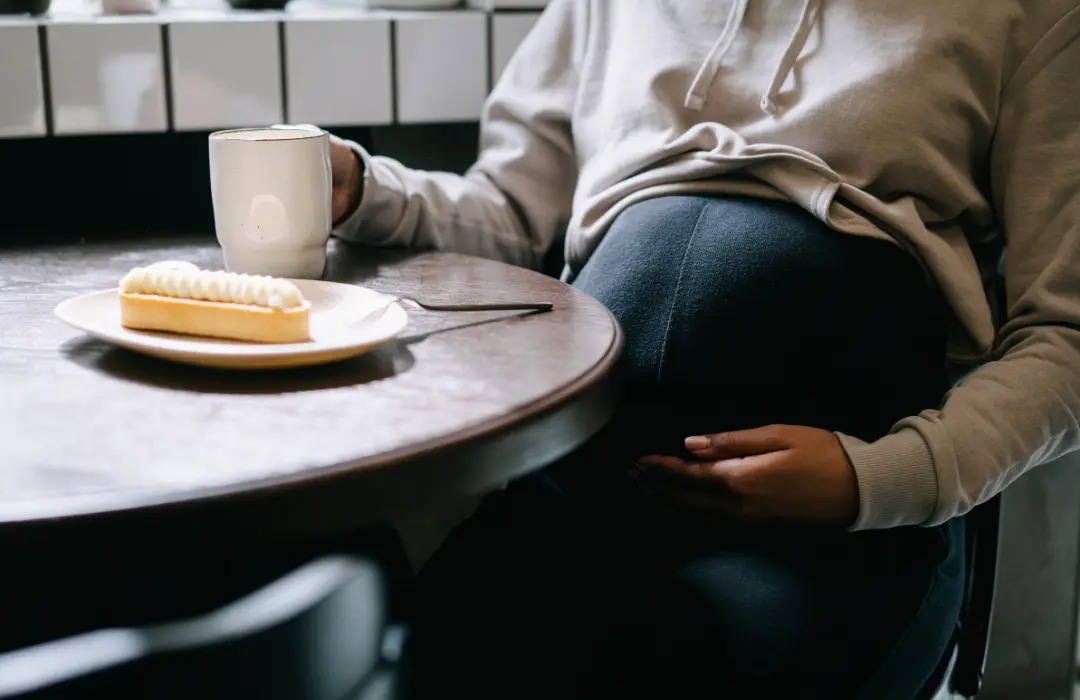
Avoid Excessive Sugar and Saturated Fats
Reduce the consumption of ultra-processed products, fried foods, and sugary drinks.
Opt for natural sweeteners like honey or fruits.
Moderate Salt to Avoid Fluid Retention
Use natural herbs and spices instead of excess salt to enhance the flavor of food.
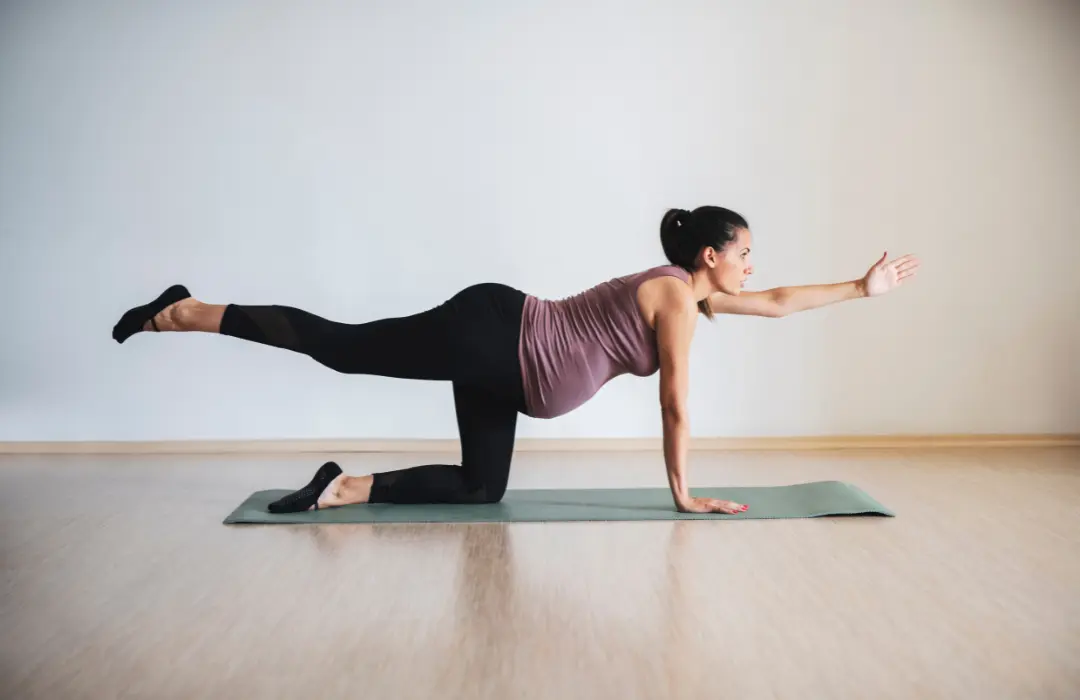
Recommended Exercises in Week 19
Daily walks (20-30 minutes).
Prenatal yoga or pilates to improve flexibility and posture.
Swimming to relieve pressure on joints and improve breathing.
Pelvic floor strengthening exercises (Kegels).
Exercises to Avoid
Contact sports or those with a risk of falling (soccer, skiing, mountain biking).
Lifting very heavy weights.
High-impact exercises such as jumping or running long distances.
Improves Blood Circulation
Reduces swelling in legs and feet.
Prevents the appearance of varicose veins and cramps.
Strengthens the Back and Reduces Lower Back Pain
Helps maintain correct posture and alleviate pressure on the spine caused by the growing abdomen.
Regulates Weight Gain
Maintains a healthy weight and prevents excessive overweight, which reduces the risk of gestational diabetes and preeclampsia.
Boosts Mood
Releases endorphins, which helps reduce stress, anxiety, and fatigue.
Decreases the risk of prenatal depression.
Improves Stamina and Prepares the Body for Childbirth
Strengthens muscles, especially those of the pelvic floor, which facilitates labor.
Increases physical endurance to better cope with the changes of pregnancy.
Decreases the Risk of Constipation
By stimulating intestinal movement, it prevents constipation, a common discomfort in pregnancy.
Helps You Sleep Better
Reduces insomnia and improves sleep quality, promoting deeper rest.
Do Not Overexert Yourself
Avoid lifting heavy objects or making sudden movements that could create tension in the back or abdomen.
Do not stand for long periods without moving, as it can affect circulation.
Do Not Practice High-Impact Exercises
Avoid activities such as running long distances, jumping, or lifting excessive weights.
Contact sports or those with a risk of falling, such as skiing, mountain biking, or horseback riding, can be dangerous.
Do Not Consume Prohibited Foods
Avoid fish with high mercury content (swordfish, shark, bluefin tuna).
Do not consume raw meats, eggs, or fish to prevent infections such as toxoplasmosis or listeriosis.
Reduce caffeine consumption and avoid energy or alcoholic drinks.
Do Not Sleep on Your Back
Sleeping in this position can compress the vena cava and affect blood circulation, which can cause dizziness and affect the baby’s oxygenation.
It is better to sleep on your side, preferably on the left side.
Do Not Expose Yourself to Extreme Heat or Saunas
Avoid very hot baths, hot tubs, and saunas, as they can increase body temperature and affect the baby’s development.
Do Not Self-Medicate
Do not take any medication without consulting your doctor first, as some can be harmful to the baby’s development.
Do Not Consume Alcohol or Smoke
Alcohol can affect the baby’s neurological development and increase the risk of malformations.
Smoking can reduce the oxygen reaching the baby and increase the risk of premature birth or low birth weight.
Do Not Ignore Warning Symptoms
If you experience intense pain, bleeding, fever, severe swelling, or a decrease in the baby’s movements (if you were already feeling them), see a doctor immediately.
During the morphology ultrasound, which is usually performed between weeks 18 and 22, the doctor can identify the baby's sex more accurately, provided their position allows it.
Yes, the uterus is growing and the ligaments are stretching, which can cause discomfort or sharp pains in the lower abdomen. If the pain is severe or persistent, consult your doctor.
Not necessarily. Some women feel movements earlier than others, depending on their build or if it is their first pregnancy. If you do not notice them in the coming weeks, consult your doctor for a check-up.
Yes, due to the growth of the uterus and changes in posture, many women experience lower back pain. To relieve it, it is recommended to maintain proper posture, avoid carrying weight, and do gentle exercises like yoga or stretching.
Lorem ipsum dolor sit amet, consectetur adipiscing elit. Ut elit tellus, luctus nec ullamcorper mattis, pulvinar dapibus leo.
Increased vaginal discharge is normal due to hormonal changes and increased blood flow to the pelvic area. As long as the discharge is clear or white and without a foul odor, there is no problem. If it changes color, has a foul odor, or is accompanied by itching, consult your doctor.
Weight gain varies for each woman, but on average, by week 19, between 3 and 6 kilograms are usually gained. However, the range may be different depending on pre-pregnancy weight.
Many doctors consider the use of ammonia-free dyes safe after the first trimester, but if you have doubts, you can opt for natural products like henna or wait until after childbirth.
Yes, the breasts continue to prepare for breastfeeding, so they may feel more sensitive or heavy. It is recommended to wear a comfortable bra with good support.
Yes, in a pregnancy without complications, sexual intercourse is safe. However, if there is any risk condition such as placenta previa or threat of premature labor, it is important to follow the doctor's recommendations.
Increased metabolism and blood circulation can make you feel warmer. It is important to stay well hydrated and wear light clothing.
It is recommended to sleep on your side, especially on the left side, to improve blood circulation and avoid pressure on the vena cava, which could cause dizziness or affect oxygen flow to the baby.
Yes, hormonal changes and the growth of the belly can affect sleep. To improve rest, avoid screens before bed, maintain a relaxing routine, and use pillows for added comfort.