Week 18 of Pregnancy: The First Kicks and How to Identify Movements
World
Motherhood
In week 18 of pregnancy, the baby continues to grow rapidly, and its body begins to take on a more proportionate appearance. Its bones are strengthening, and its movements are becoming more noticeable. For many women, this is an exciting stage, as they may begin to feel the baby’s first kicks more clearly.
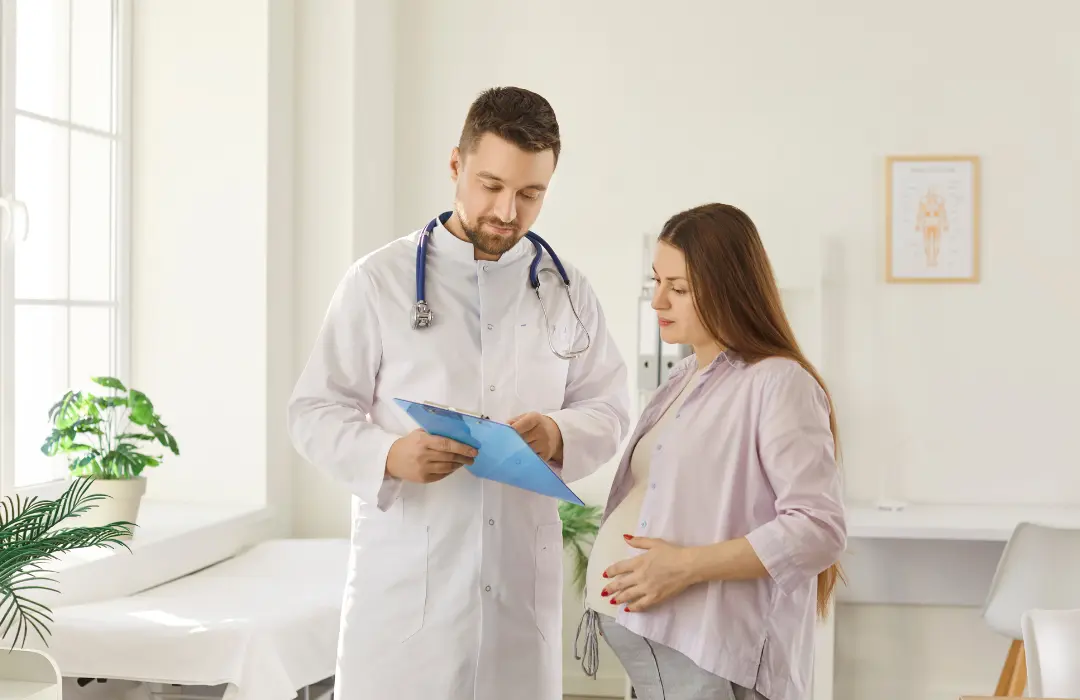
In week 18, the baby measures approximately 14 to 15 cm from head to buttocks and weighs around 190 to 200 grams. Its size is comparable to a bell pepper or a large potato.
Increase Protein Intake
Proteins are essential for the development of the baby’s tissues. It is recommended to include:
Lean meats (chicken, turkey, lean beef).
Low-mercury fish (salmon, trout, tilapia).
Eggs, legumes, and tofu as plant-based options.
Include Sufficient Calcium and Vitamin D
These nutrients strengthen the baby’s bones and prevent decalcification in the mother. Recommended sources:
Dairy products (milk, yogurt, low-fat cheese).
Almonds, broccoli, and spinach as plant-based options.
Moderate sun exposure to obtain vitamin D.
Ensure a Good Intake of Iron and Folic Acid
Iron prevents anemia, and folic acid remains essential for the baby’s neurological development. It is recommended to consume:
Lean red meats, lentils, spinach, quinoa.
Fruits rich in vitamin C (oranges, strawberries) to improve iron absorption.
Prenatal supplements prescribed by your doctor.
Consume Healthy Fats
Good fats promote brain development and the formation of the baby’s retina. They are found in:
Avocado, olive oil, nuts, and seeds.
Fish rich in omega-3s such as salmon and sardines.

Maintain Good Hydration
Amniotic fluid continues to increase, so it is important to drink enough water (at least 2 liters per day). You can also consume:
Natural caffeine-free infusions.
Natural sugar-free juices and fruits with high water content, such as watermelon or melon.
Control Salt and Sugar Intake
To avoid swelling and the risk of gestational diabetes, it is recommended to reduce the consumption of:
Ultra-processed foods and fried foods.
Sodas and artificial juices with high sugar content.
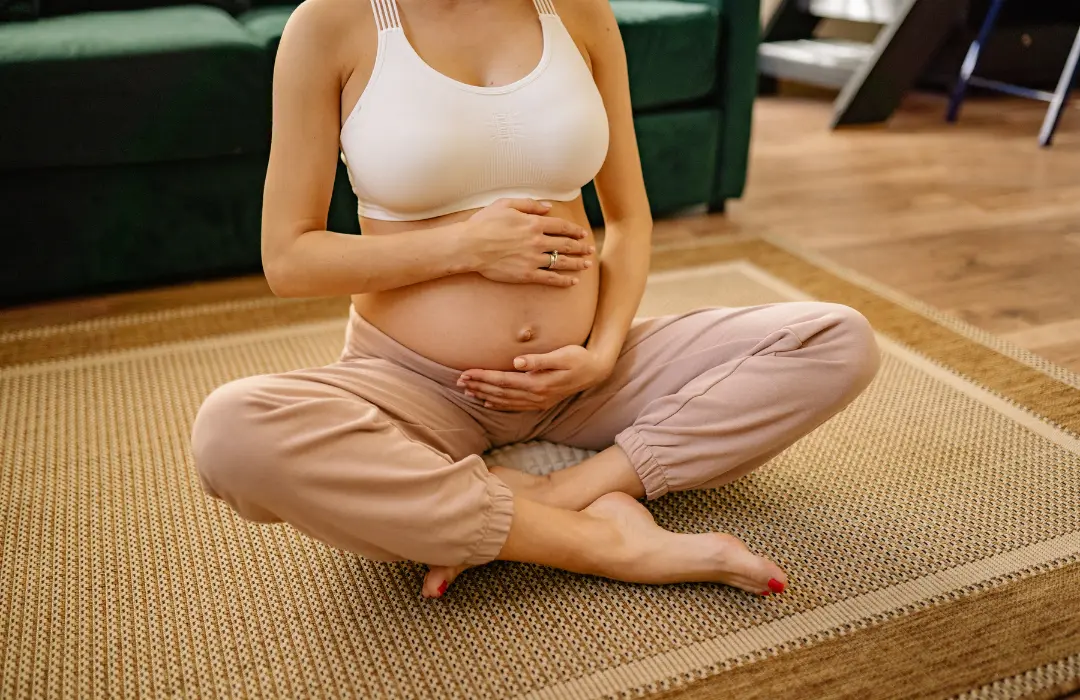
Recommended Exercises
Daily walks (30-40 minutes).
Swimming or water exercises.
Prenatal yoga and Pilates for pregnant women.
Breathing exercises and pelvic floor strengthening.
Exercises to Avoid
High-impact or contact sports.
Lifting very heavy weights.
Exercises that involve jumping or sudden turns.
Improves Circulation and Reduces Swelling
Promotes blood flow, reducing fluid retention in legs and feet.
Prevents the appearance of varicose veins and muscle cramps.
Strengthens Muscles and Reduces Back Pain
Strengthens the abdomen and lower back, helping to alleviate lumbar discomfort.
Improves posture and reduces pressure on the pelvis.
Regulates Weight Gain
Helps maintain a healthy weight during pregnancy.
Prevents the development of gestational diabetes and hypertension.
Reduces Stress and Improves Mood
Stimulates the production of endorphins, reducing stress and anxiety.
Improves sleep quality and combats insomnia.
Promotes Preparation for Childbirth
Improves stamina and lung capacity, facilitating labor.
Strengthens the pelvic floor, aiding in postpartum recovery.
Benefits the Baby
Improves oxygenation and blood flow to the placenta.
Contributes to the baby’s neurological development.
Do Not Consume Alcohol, Tobacco, or Drugs
Alcohol can affect the baby’s brain development and cause fetal alcohol syndrome.
Tobacco reduces the baby’s oxygenation and increases the risk of premature birth.
Drugs can cause congenital malformations and neurological development problems.
Avoid Stress and Lack of Rest
Anxiety and stress can affect the baby’s cardiovascular health and well-being.
Sleeping less than 7-9 hours can increase fatigue and affect the immune system.
Do Not Consume Unsafe Foods
Avoid raw or undercooked meats, fish, and eggs to prevent infections such as toxoplasmosis and salmonellosis.
Do not consume unpasteurized cheeses or unheated cured meats, as they may contain dangerous bacteria like listeria.
Reduce caffeine intake to a maximum of 200 mg per day (equivalent to one cup of coffee).
Do Not Engage in Excessive or High-Risk Exercise
Avoid contact sports, such as soccer or basketball, which can cause blows to the abdomen.
Do not engage in activities that involve a risk of falls, such as skiing, mountain biking, or horseback riding.
Do not lift heavy objects that could cause strain on the back or abdomen.

Do Not Take Medications Without Medical Prescription
Some drugs can affect the baby’s development, so it is essential to consult a doctor before taking any medication, even if it is over-the-counter.
Do Not Spend Too Much Time Standing or Sitting Without Movement
Spending too much time in the same position can cause leg swelling and circulatory problems.
It is recommended to take breaks and walk periodically to improve circulation.
Do Not Ignore Warning Signs
If there is vaginal bleeding, severe abdominal pain, constant dizziness, or a decrease in baby movements, it is crucial to see a doctor immediately.
Yes, many mothers begin to feel the baby's first movements this week, especially if it is not their first pregnancy. The sensations can be described as flutters, bubbles, or small taps.
Yes, it is common due to changes in blood pressure and increased blood volume. It is recommended to stay well hydrated, stand up slowly, and avoid standing for long periods without moving.
The morphological ultrasound is performed between weeks 18 and 22, and it is important because it allows for evaluation of the baby's organ development and detection of possible anomalies.
Yes, as long as the exercises are suitable for pregnant women. Walking, swimming, prenatal yoga, and pelvic floor strengthening exercises are recommended. High-impact exercises or those involving a risk of falls should be avoided.
ipsum dolor sit amet, consectetur adipiscing elit. Ut elit tellus, luctus nec ullamcorper mattis, pulvinar dapibus leo.
Yes, in most cases it is safe, unless your doctor advises otherwise due to a risk of complications such as placenta previa or threatened premature labor.
Back pain is common due to uterine growth and changes in posture. It is recommended to:
Wear comfortable shoes.
Avoid standing or sitting for long periods without moving.
Do gentle stretches and strengthening exercises.
Apply warm compresses to the lower back.
Yes, although at this stage it is recommended to supplement with iron and calcium, according to medical indications.
By keeping the skin hydrated with creams or natural oils and ensuring a diet rich in vitamin E and collagen.
Vaginal bleeding.
Severe abdominal pain.
Constant dizziness or fainting.
Severe swelling in hands and face.
Lack of fetal movements if they had been felt before.