Week 20 of Pregnancy and Complete Baby Development

World
Motherhood
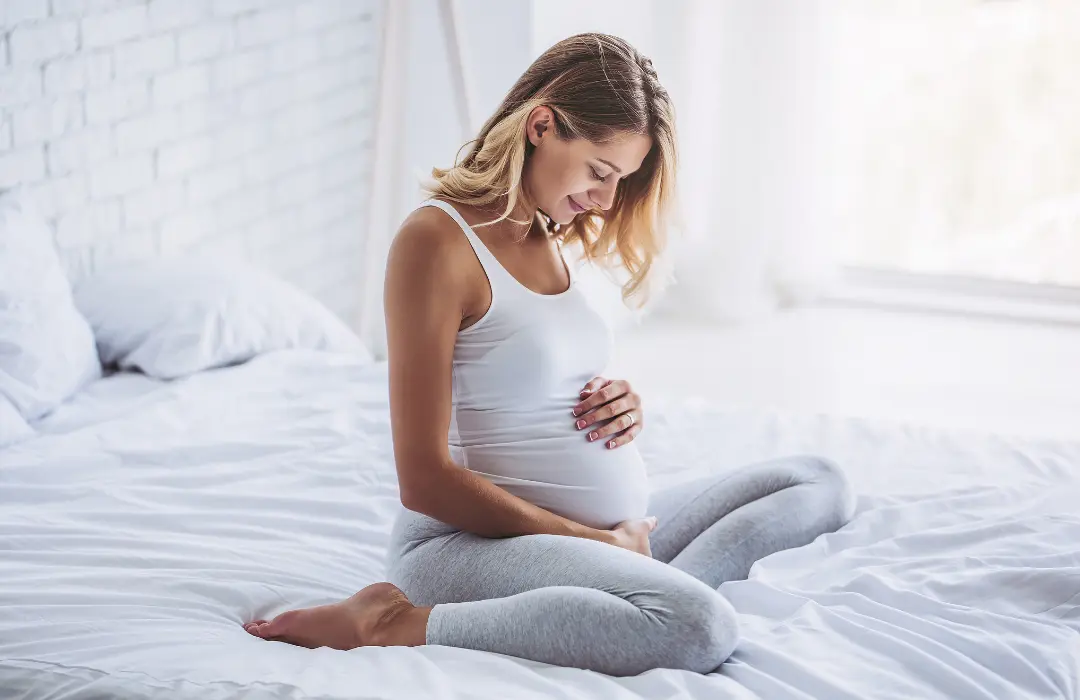
You have reached the halfway point of your pregnancy, an exciting milestone in your baby’s development. This week, growth continues at a rapid pace and many of the organs and systems are already functioning.
Your uterus continues to expand and is now at the level of your navel, which may cause you to notice more changes in your posture and balance.
From now on, the baby’s growth will be more noticeable and you may also start to gain weight more rapidly.
Causes and Risk Factors

Symptoms

  • More Evident Baby Movements
    Many women begin to feel the first kicks more clearly, especially if this is their first pregnancy. These sensations may feel like bubbles, butterflies in the stomach, or small taps.
  • Increased Belly Size
    The uterus has grown and now reaches the level of the navel, making the abdomen more noticeable. This growth can cause skin stretching and, in some cases, itching or the appearance of stretch marks.
  • Back Pain or Discomfort
    The weight of the uterus and changes in posture can cause lower back pain or pressure in the lower back. Wearing comfortable shoes, doing gentle stretches, and maintaining good posture can help relieve it.
  • Heartburn or Indigestion
    The growth of the uterus can put pressure on the stomach, causing heartburn and acid reflux. To avoid this, it is recommended to eat lighter and more frequent meals, avoid irritating foods, and not lie down immediately after eating.
  • Skin Changes
    You may notice the appearance of the linea alba (a dark line on the abdomen), spots on the face (melasma), and increased pigmentation of the nipples. These changes are temporary and will disappear after delivery.
  • Increased Vaginal Discharge
    It is normal to have increased vaginal discharge, as long as it is clear or white and odorless. This is due to hormonal changes and increased blood flow to the pelvic area.
  • Increased Fatigue and Tiredness
    Although many women feel more energetic in the second trimester, fatigue may return due to the baby’s growth and changes in the body. Sleeping well, staying hydrated, and taking breaks during the day help reduce exhaustion.
  • Bladder Pressure
    The growing uterus puts more pressure on the bladder, making the need to urinate more frequent. However, if you feel burning or pain when urinating, it is important to rule out a possible urinary tract infection.
  • Bleeding Gums or Nasal Congestion
    Increased blood flow can make gums more sensitive and bleed when brushing. You may also feel more nasal congestion or even notice more nosebleeds.
  • Dizziness or Feeling Faint
    Changes in circulation and blood pressure can cause dizziness, especially if you get up too quickly or go too long without eating. Staying hydrated and changing positions slowly can help prevent these episodes.


Baby’s size

This week, the baby measures approximately 25 centimeters from head to toe and weighs around 300-350 grams, a size similar to a banana or large carrot.

  • Changes and Baby Development:
    More Developed Sensory Organs
    The baby can now hear sounds, such as the mother’s voice, heartbeat, and external noises.
    The eyes are still closed, but they already react to bright light through the eyelids.
    The sense of touch continues to develop and the baby can move its hands to touch its face or the umbilical cord.
  • Stronger and More Coordinated Movements
    The baby’s movements are more noticeable and begin to be more coordinated.
    The baby can stretch, kick, and turn inside the uterus.
  • Formation of Skin and Hair
    The skin is still thin and is covered by vernix caseosa, a white, greasy protective substance that prevents the skin from being damaged in the amniotic fluid.
    The baby also has lanugo, a fine hair that covers its body and helps regulate temperature.
  • Digestive System in Operation
    The baby is practicing swallowing by swallowing amniotic fluid, which helps develop its digestive system.
    The intestines begin to accumulate meconium, which will be the first bowel movement at birth.
  • Red Blood Cell Production
    The bone marrow has begun to produce red blood cells, which is a major step in the development of the blood system.
  • Reproductive Development
    If it is a girl, she already has formed ovaries and around 6 million eggs, although this number will decrease over time.
    If it is a boy, the testicles will begin to descend, but they will still be inside the abdomen.

What Should You Do?

  • Perform the Morphology Ultrasound
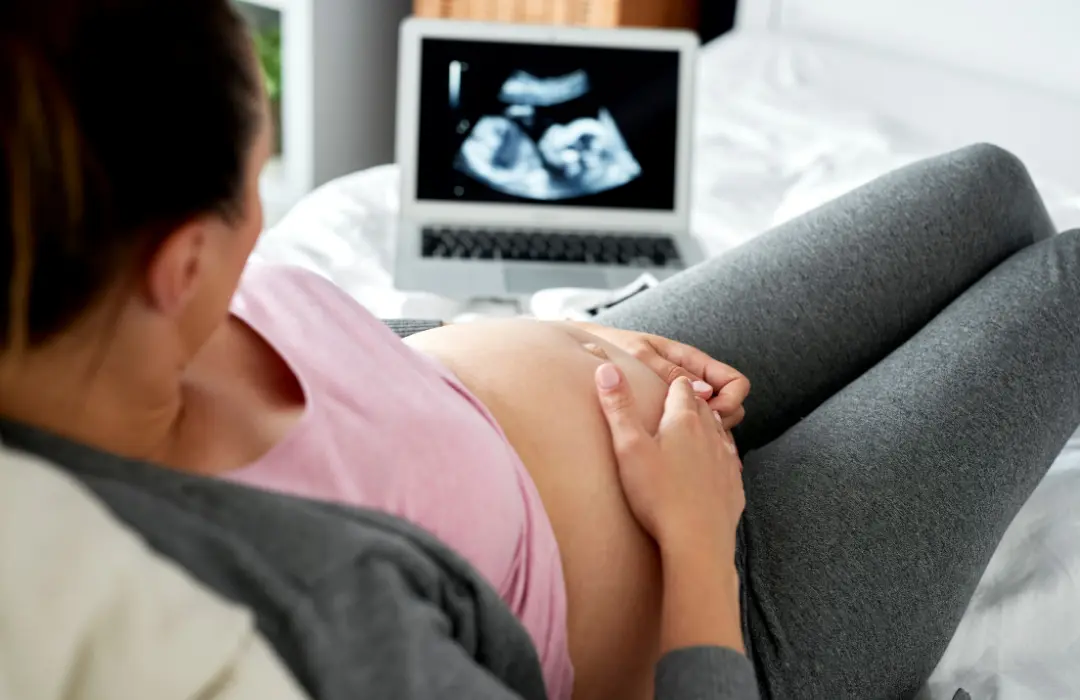
    Between weeks 18 and 22, this detailed ultrasound is performed to evaluate the baby’s development, the placenta, and the amniotic fluid.
    It allows detection of possible abnormalities and, if you do not already know, confirms the baby’s sex.
  • Monitor Weight Gain
    At this point, the average weight gain is 4 to 6 kg from the beginning of pregnancy.
    It is important to maintain a balanced diet and avoid excess sugar or saturated fats.
  • Take Care of Posture and Back
    As the uterus grows, the body’s center of gravity changes, which can cause back discomfort.
    It is recommended to wear comfortable shoes, maintain good posture, and do exercises to strengthen the lower back area.
  • Moisturize Skin to Prevent Stretch Marks
    Applying moisturizing creams or oils helps reduce the appearance of stretch marks on the abdomen, breasts, and thighs.
    Drinking enough water also contributes to skin elasticity.
  • Start Childbirth Preparation Classes
    If you have not already done so, this is a good time to learn about childbirth preparation courses.
    These workshops can help you with breathing techniques, labor positions, and newborn care.
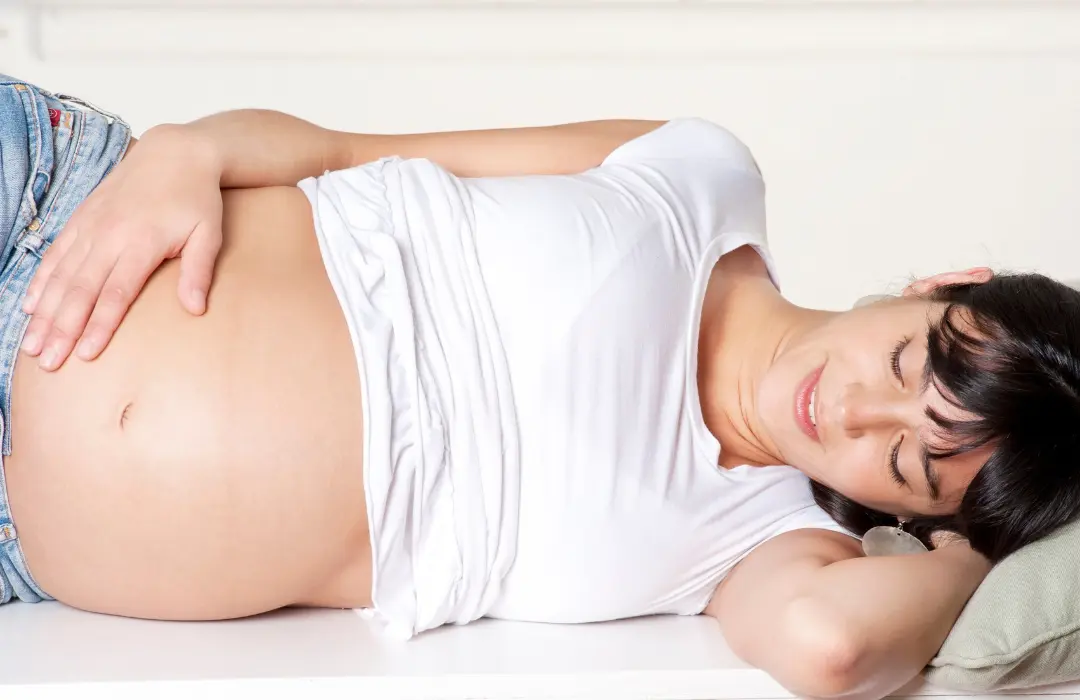
  • Sleep on Your Side
    It is recommended to start sleeping on your left side to improve circulation and avoid pressure on the vena cava.
    Using a pregnancy pillow can help with greater comfort.
  • Maintain a Moderate Level of Physical Activity
    If there are no medical contraindications, continuing with a routine of gentle exercises such as walking, swimming, or prenatal yoga is beneficial.
    It helps improve circulation, reduce back pain, and strengthen muscles for childbirth.
  • Manage Common Symptoms
    Heartburn: Avoid heavy meals and do not lie down immediately after eating.
    Back pain: Do stretches and avoid standing or sitting in the same position for long periods.
    Swelling: Drink enough water and elevate your legs when necessary.
  • Strengthen the Bond with the Baby
    Talking, singing, and caressing the belly can be ways to connect with the baby, since at this stage the baby can already hear sounds.

Nutrition in Week 20 of Pregnancy

Ensure Adequate Protein Intake
Proteins are essential for the baby’s growth and organ development.
It is recommended to consume lean meats, chicken, fish, eggs, legumes, and dairy products.

Consume Iron to Prevent Anemia
At this stage of pregnancy, your body needs more iron to produce red blood cells and avoid fatigue.
Iron sources: red meat, spinach, lentils, chickpeas, and whole grains.
Combining it with vitamin C (oranges, strawberries, kiwi) helps with absorption.

Increase Calcium Intake
The baby is forming bones and teeth, so calcium is essential.
It is found in milk, yogurt, cheese, almonds, broccoli, and tofu.

Incorporate Healthy Fats
Healthy fats are key to the baby’s brain development.
It is recommended to consume avocado, olive oil, nuts, and fish rich in omega-3 (salmon, sardines).

Include Fiber to Avoid Constipation
As the uterus grows, there may be more pressure on the intestines, which promotes constipation.
It is recommended to consume fruits, vegetables, whole grains, and legumes.

Stay Hydrated
Drinking at least 2 liters of water per day helps digestion, prevents swelling, and maintains amniotic fluid at adequate levels.
Mild herbal teas and natural broths can be included.
Avoid Excess Sugar and Processed Foods
Reduce consumption of soft drinks, industrial pastries, refined flours, and ultra-processed snacks to avoid excessive weight gain.
Opt for more natural alternatives such as fruits, unsweetened yogurt, and nuts.

Monitor Caffeine and Non-Recommended Foods
It is recommended not to exceed 200 mg of caffeine per day (approximately one cup of coffee).
Avoid fish with high mercury content (swordfish, bluefin tuna), uncooked deli meats, and unpasteurized cheeses.
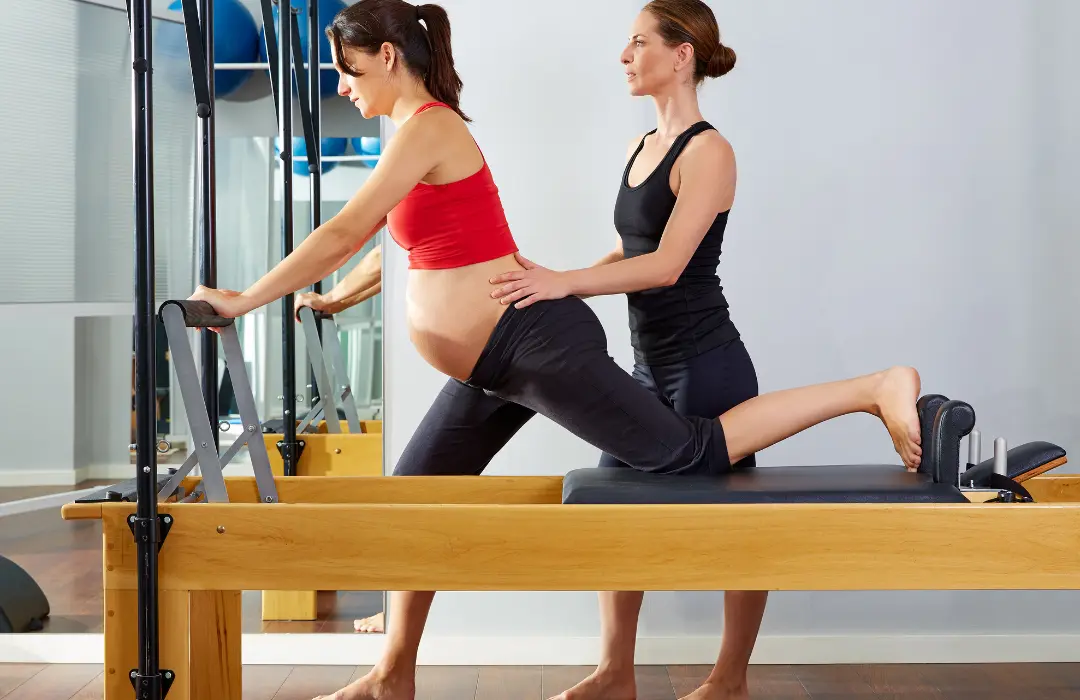
Recommended Exercises:
Daily walks: Improve circulation and help maintain an active pace.
Prenatal yoga: Relieves tension, improves flexibility, and strengthens the pelvic floor.
Swimming: Reduces pressure on joints and improves posture.
Kegel exercises: Strengthen pelvic floor muscles, preventing urinary incontinence.

Exercises to Avoid:
High-impact sports or those with risk of falls.
Excessive weight lifting or exercises involving intense abdominal effort.
Activities with sudden changes of direction or prolonged jumping.

Exercise in Week 20 of Pregnancy

Improves Circulation and Reduces Swelling

Promotes venous return, reducing swelling in the legs and ankles.
Prevents the formation of varicose veins and fluid retention.

Strengthens the Back and Reduces Lower Back Pain

By strengthening the lumbar and abdominal muscles, it helps maintain good posture and reduce back pain.

Improves Mood and Reduces Stress

During pregnancy, hormones can affect mood.
Exercise stimulates the production of endorphins, helping to reduce stress, anxiety, and improve emotional well-being.

Promotes a Healthy Weight

Helps maintain adequate weight gain and avoid excess body fat.
Reduces the risk of developing gestational diabetes.

Improves Endurance and Prepares the Body for Childbirth

Strengthens pelvic floor muscles, facilitating labor and reducing the risk of tears.
Improves physical endurance, which can be useful at the time of delivery.

Improves Sleep and Reduces Fatigue
Helps you fall asleep and rest better, reducing the fatigue common in pregnancy.

Promotes Digestion and Prevents Constipation
Movement stimulates intestinal transit, reducing the possibility of constipation.
Things You Should NOT Do:
  • Sleeping on Your Back or Stomach
  • Sleeping on your back can put pressure on the vena cava, making blood circulation difficult.
    It is recommended to sleep on your side, preferably on the left side, to improve blood flow to the baby.
  • Performing Excessive Physical Exertion
    Avoid lifting heavy objects or performing activities that require a lot of effort.
    Do not do high-impact exercises, such as long-distance running, jumping, or excessive weight lifting.
  • Consuming Alcohol, Tobacco, or Drugs
    Alcohol consumption can affect the baby’s development and increase the risk of malformations.
    Smoking reduces the oxygen that reaches the baby and can cause low birth weight.
    Any type of drug can interfere with fetal development.
  • Self-Medicating
    Do not take medications without the doctor’s approval, as some can be harmful to the baby.
    Avoid the use of certain anti-inflammatories, antibiotics, and pain relievers without medical supervision.
  • Consuming Non-Recommended Foods
    Avoid fish with high mercury content such as swordfish or bluefin tuna.
    Do not consume unpasteurized cheeses or raw deli meats to prevent infections such as listeriosis.
    Reduce caffeine consumption to less than 200 mg per day.
  • Exposure to High Temperatures
    Avoid saunas, hot tubs, or very hot water baths, as they can raise body temperature and affect the baby.
    Do not stay in the sun for long periods without protection, as the skin is more sensitive during pregnancy.
  • Neglecting Hydration and Nutrition
    Not drinking enough water can promote fluid retention and constipation.
    Skipping meals or not following a balanced diet can affect the baby’s development.
  • Ignoring Warning Symptoms
    Symptoms such as bleeding, intense abdominal pain, constant dizziness, or decreased fetal movements should not be ignored.
    If you experience any unusual symptoms, see your doctor immediately.

Frequently Asked Questions

By week 20, the recommended weight gain is usually between 4.5 and 6.5 kg, depending on pre-pregnancy weight. It is important to maintain a balanced diet and consult with your doctor if you have questions about weight gain.

Yes, changes in blood circulation can cause dizziness or low blood pressure. It is recommended to get up slowly, stay well hydrated, and avoid standing for long periods.

In a pregnancy without complications, yes. Sexual intercourse is safe and does not affect the baby. However, if there is placenta previa, bleeding, or risk of premature birth, the doctor may recommend avoiding it.

Yes, at this stage the morphology ultrasound is performed, where the doctor reviews the development of the baby's organs and rules out possible malformations. The placenta and amniotic fluid are also evaluated.

The growth of the uterus can put pressure on the lower back area. To relieve it, it is recommended to:
Maintain good posture.
Do gentle stretches.
Sleep with a pillow between your legs.
Avoid carrying heavy objects.

It is common to notice increased appetite, increased skin pigmentation (such as the linea alba or spots on the face), and hair and nail growth due to the effect of hormones.

You should consult immediately if there is:
Vaginal bleeding or loss of amniotic fluid.
Intense abdominal pain.
High fever without apparent cause.
Severe dizziness or frequent fainting.
Lack of baby movement after feeling it regularly.

Many women begin to prepare the room and buy what is necessary from week 20, since at this stage they usually know the baby's sex and still feel energetic enough to organize everything calmly.

If you have more questions, it is important to consult them with your doctor to ensure a healthy pregnancy.


Scroll to Top