Week 25 of Pregnancy: Extreme Fatigue and What to Do to Relieve Swelling
World
Motherhood

In week 25 of pregnancy, the baby continues to grow rapidly, and their body develops to prepare for life outside the womb. Their organs are more mature, especially the lungs, although they still need time to fully develop. Their skin begins to thicken, and their body accumulates fat to regulate temperature at birth.
For the mother, the growth of the uterus can cause discomfort such as pressure on the bladder, back pain, and fatigue.

At week 25, the baby measures approximately 34 cm from head to toe and weighs around 700–800 grams. Their growth is steady, and their appearance is increasingly similar to that of a newborn, although they still need to gain more weight and fully develop their organs.
Main Changes in the Baby:
What Should You Do?
Maintain Regular Prenatal Care
Attend scheduled medical appointments to monitor the baby’s development and maternal health.
Have the recommended tests done, such as glucose testing to detect gestational diabetes.
Maintain a Healthy Diet
Eat a balanced diet with protein, healthy fats, complex carbohydrates, fiber, vitamins, and minerals.
Include iron and calcium in your diet to prevent anemia and strengthen the baby’s bones.
Drink enough water to stay hydrated and prevent constipation.
Exercise Safely
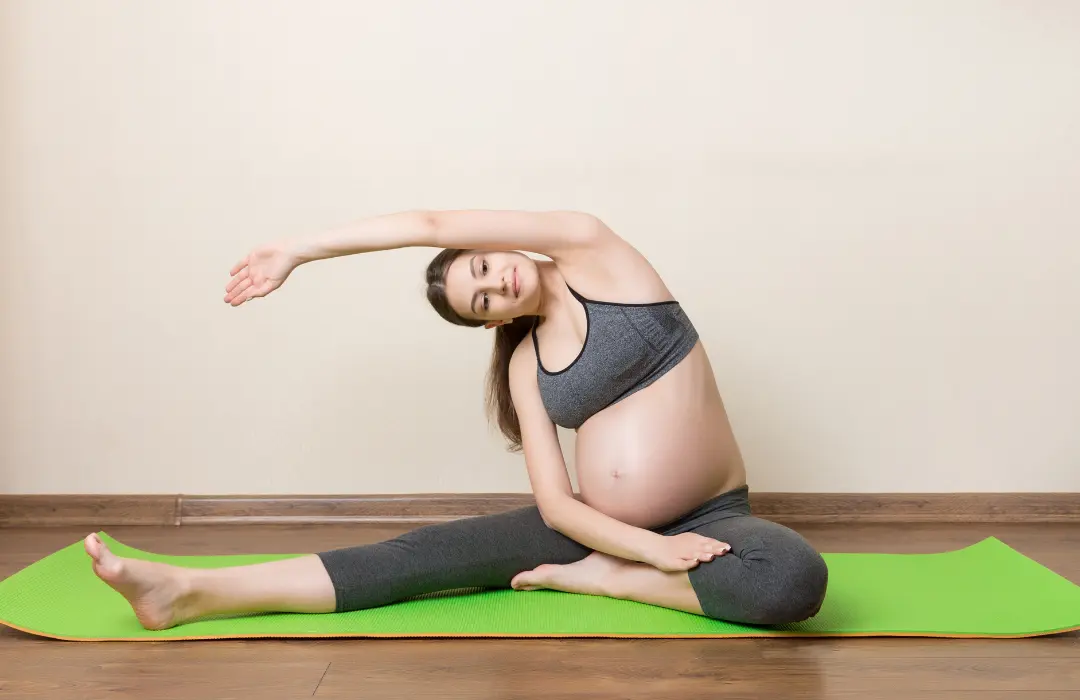
Engage in moderate physical activity such as walking, swimming, or prenatal yoga to improve circulation and reduce discomfort.
Avoid high-impact exercises or those that involve a risk of falls.
Take Care of Rest and Posture
Sleep on your side, preferably on the left side, to improve circulation and avoid pressure on the vena cava.
Use support pillows for greater comfort while sleeping.
Avoid standing or sitting for long periods in the same position to prevent swelling in the legs and feet.

Manage Stress and Prepare for Motherhood
Practice relaxation techniques such as deep breathing or meditation.
Start learning about childbirth and breastfeeding.
Monitor Symptoms and Warning Signs
Monitor swelling in the legs and hands; if it is excessive or sudden, consult your doctor.
Pay attention to contractions; if they are regular or painful, it is important to contact your specialist.
Be attentive to the baby’s movements and report any significant decrease.
Ultra-processed foods high in sugars and saturated fats.
Recommended Exercises:
Daily walks for 20 to 30 minutes.
Swimming or water exercises to relieve pressure on the joints.
Prenatal yoga or Pilates to improve flexibility and breathing.
Pelvic floor strengthening exercises such as Kegels.
Exercises to Avoid:
High-impact activities such as running or jumping.
Contact sports or those with a risk of falls.
Heavy weightlifting without supervision.
Improves Circulation and Reduces Swelling
Helps prevent fluid retention and swelling in the legs and feet. Reduces the risk of developing varicose veins and cramps.
Strengthens Muscles and Improves Posture
Reduces back pain and tension in the lower back. Improves stability and balance as the belly grows.
Supports Weight Control
Maintains healthy weight gain without affecting the baby’s development. Helps prevent gestational diabetes and hypertension.
Reduces Stress and Improves Mood
Reduces anxiety and the risk of prenatal depression. Releases endorphins, which creates a sense of well-being and energy.
Improves Sleep Quality
Reduces fatigue and helps you fall asleep more easily.
Reduces discomfort while sleeping by strengthening the body.
Prepares the Body for Labor
Increases physical endurance and strengthens the muscles used during labor.
Improves pelvic floor elasticity and flexibility.
Avoid Stress and Lack of Rest
Do not ignore fatigue or push your body more than necessary.
It is essential to sleep between 7 and 9 hours per night and take short breaks during the day.
Avoid situations that cause anxiety or prolonged stress.
Do Not Stay Standing or Sitting for Long Periods
Avoid standing for long periods without moving, as it can increase swelling and the risk of varicose veins.
If your job requires sitting for a long time, it is advisable to get up and walk for a few minutes every hour.
Do Not Consume High-Risk Foods
Avoid raw or undercooked meat, fish, and eggs to prevent infections such as toxoplasmosis or salmonellosis.
Do not consume unpasteurized cheeses or deli meats without prior cooking.
Limit caffeine intake to less than 200 mg per day (equivalent to one cup of coffee).
Do not eat fish with high mercury content such as swordfish, shark, or bluefin tuna.
Do Not Do High-Impact or Dangerous Exercise
Avoid extreme sports, contact sports, or those with a risk of falls, such as skiing, mountain biking, or heavy weightlifting.
Do not do exercises that require lying on your back for long periods, as they can reduce blood flow to the baby.
Do Not Smoke or Drink Alcohol
Smoking affects the oxygen the baby receives and can cause problems in their development.
Alcohol consumption can cause fetal development disorders.
Avoid Places with High Temperatures
Do not take baths in water that is too hot or use saunas or hot tubs, as they can cause dizziness and affect blood pressure.
Do Not Self-Medicate
Do not take medications without medical approval, including pain relievers or supplements.
Always consult your doctor before using any treatment.
Yes, the uterus is growing and presses on the lungs and diaphragm, which can make breathing more shallow. It is important to maintain an upright posture and do breathing exercises.
Yes, in a healthy pregnancy, sexual intercourse is safe. However, if there is a history of placenta previa, bleeding, or risk of preterm labor, you should consult your doctor.
It depends on your pre-pregnancy body mass index. On average, at 25 weeks, a woman may have gained between 6 and 8 kilos, although it varies in each case.
Between weeks 24 and 28, the glucose tolerance test is performed to rule out gestational diabetes. In addition, ultrasounds may be scheduled to monitor the baby’s growth.
To prevent constipation, it is recommended to increase fiber, water, and physical activity. To reduce heartburn, it is helpful to eat small portions, avoid irritating foods, and not lie down immediately after eating.
Yes, Braxton Hicks contractions may start to be noticeable. They are mild, irregular contractions that prepare the uterus for labor. If they become intense, painful, or frequent, you should contact your doctor.