Week 31 of Pregnancy: Your Hospital Bag: Essential Checklist for Labor
World
Motherhood

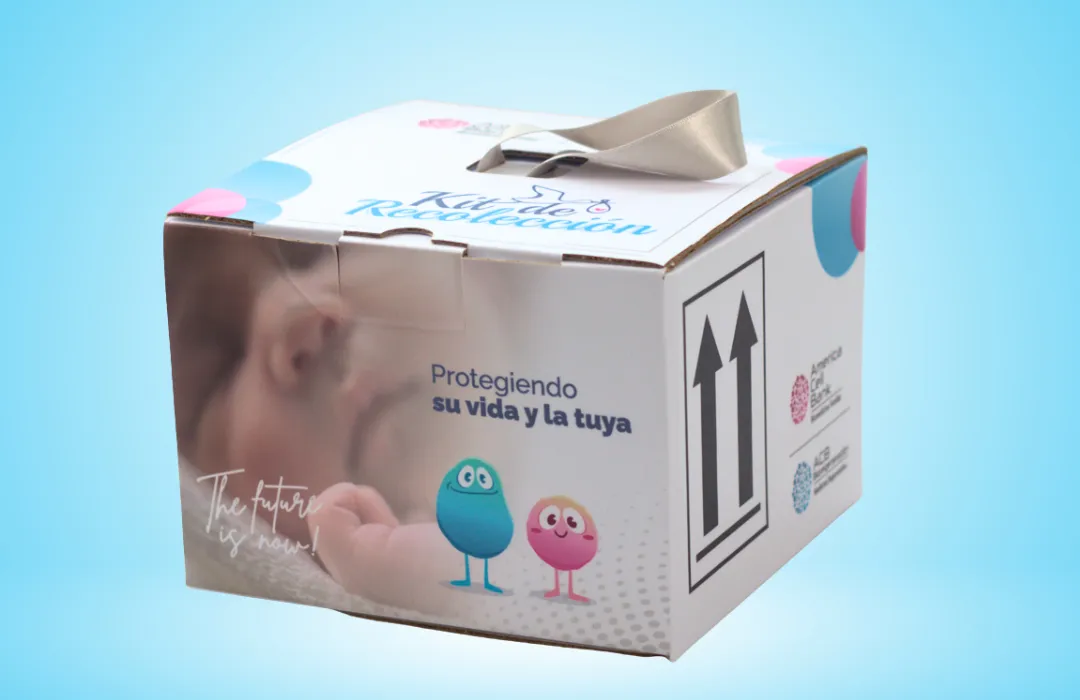
You are in the final stage of pregnancy, getting closer and closer to meeting your baby. This is an ideal time to prepare everything you need for their arrival—from your hospital bag and your stem cell collection kit to the final details in their space. It is also important to maintain healthy habits, such as a good diet and moderate physical activity, to help you feel well and energized. Take advantage of this time to learn about labor and breastfeeding, rest whenever you need to, and connect with your baby, who already responds to external stimuli such as voice and light.
Protein → Fish, chicken, eggs, legumes, and nuts for the baby’s muscle and cellular development.
Iron → Spinach, lentils, lean meat, and whole grains to prevent anemia and improve oxygenation.
Calcium → Dairy, almonds, broccoli, and seeds to strengthen the baby’s bones and prevent cramps.
Omega-3 fatty acids → Salmon, chia, and walnuts for the baby’s brain and visual development.
Fiber → Fruits, vegetables, and whole grains to prevent constipation.
Vitamin C → Oranges, strawberries, and kiwi to strengthen the immune system and improve iron absorption.

Hydration → Drink enough water to prevent fluid retention and maintain good blood flow.

Kegel exercises → Strengthen the pelvic floor and help prevent urinary incontinence.
Gentle stretching → Reduces muscle stiffness and improves mobility.
Improves circulation and reduces swelling in the legs and feet.
Relieves back pain and pelvic pressure.
Supports weight control, preventing excessive gain.
Reduces the risk of gestational diabetes and high blood pressure.
Strengthens muscles, preparing you for labor.
Reduces stress and anxiety, improving your mood.
Promotes rest and improves sleep quality.
Helps maintain good posture and prevents joint discomfort.
Exercises:
Walking → Improves circulation, reduces swelling, and helps control weight.
Prenatal yoga → Increases flexibility, relieves back tension, and improves breathing.
Swimming → Reduces pressure on the joints, relaxes muscles, and improves circulation.
Yoga ball exercises → Support posture, relieve pelvic pressure, and strengthen the core.
Do not lift heavy objects, as this can cause back injuries and increase abdominal pressure.
Avoid high-impact exercises, such as jumping, running, or excessive weightlifting, to prevent injuries and joint discomfort.
Do not stay standing or sitting for long periods without moving, as this can worsen swelling and affect circulation.
Avoid excessive caffeine, ultra-processed foods, and salt, as they can cause fluid retention and digestive discomfort.
Do not sleep on your back, as this position can compress the vena cava and affect circulation, causing dizziness.
Avoid stress and emotional overload by seeking moments of rest and relaxation.

Do not self-medicate; any medication or supplement must be approved by your doctor.
Avoid high-risk activities, such as extreme sports, saunas, or very hot baths, as they can dangerously raise body temperature.
Yes, as the baby grows and descends, you may feel more pressure in the pelvic area. If the pain is intense or is accompanied by regular contractions, consult your doctor.
Yes, in most cases it is safe, unless your doctor advises otherwise due to the risk of preterm labor or other complications.
Recommended weight gain varies depending on your body mass index before pregnancy, but on average, an increase of 9 to 12 kg is expected by this week.
Yes, the size of your belly, physical discomfort, and anxiety can make it difficult to sleep. Sleeping on your side with a pillow between your legs and avoiding heavy dinners can help.
Cramps are common due to weight gain and changes in circulation. Stretching your legs before bed and staying hydrated can help prevent them.
Increased discharge is normal, as long as it is clear or whitish and has no bad odor. If you notice a change in color, a strong odor, or itching, consult your doctor.
It depends on your health status and the means of transportation. Some airlines allow travel up to week 36, but it is advisable to consult your doctor before making any plans.
If swelling in your feet and hands is mild, it is normal. However, if it is sudden, severe, or accompanied by headache and blurred vision, it may be a sign of preeclampsia and you should seek medical attention.