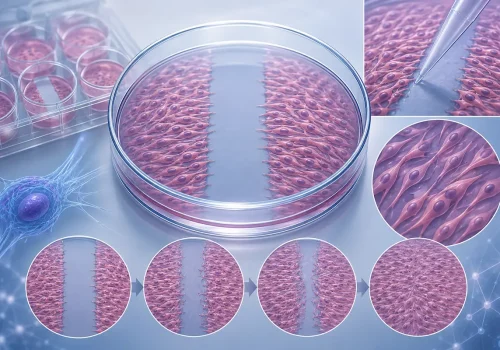



Chronic pain is a condition that affects the lives of millions of people worldwide. It is defined as pain that persists for more than three months and, in many cases, does not respond adequately to conventional treatments. It can originate from diseases such as osteoarthritis, fibromyalgia, poorly treated sports injuries, spinal problems, or even after surgery. Beyond the physical aspect, this constant pain also impacts emotional well-being, mobility, and quality of life.
Given this scenario, regenerative medicine has become an innovative and promising alternative for those seeking not only to relieve pain but also to treat its root cause.
Chronic Pain: More Than a Symptom
Chronic pain is not just a prolonged discomfort; it is a complex process involving the nervous system, the immune system, and constant inflammation. Unlike acute pain, which is a warning signal of an injury, chronic pain persists even when the original damage has healed.
This generates:
- Limitation in mobility.
- Dependence on analgesics and anti-inflammatories.
- Sleep disturbances and constant fatigue.
- Impact on mental health (anxiety, depression, frustration).
Therefore, a treatment that only focuses on “masking” the pain will hardly resolve the underlying problem.
How Does Regenerative Medicine Work Against Chronic Pain?
Regenerative medicine offers a comprehensive approach, as it acts directly on the processes that generate and perpetuate pain:
- Regeneration of damaged tissues
When joints, muscles, or cartilage are injured, stem cell therapies help repair these structures, promoting the formation of new healthy tissue. - Reduction of inflammation
One of the main factors of chronic pain is persistent inflammation. Stem cells and exosomes have a powerful anti-inflammatory effect that contributes to sustained pain reduction. - Protection against cellular damage
By improving communication between cells and stimulating the release of growth factors, regenerative medicine protects affected areas from further deterioration. - Balance of the immune system
Chronic pain is often associated with exaggerated immune responses (as occurs in rheumatoid arthritis or autoimmune diseases). Regenerative therapies help modulate this system, reducing symptoms.
Benefits Compared to Conventional Treatments
Traditional treatments for chronic pain typically include analgesics, anti-inflammatories, physical therapy, and in some cases, surgery. Although these can offer temporary relief, in many patients they fail to resolve the root of the problem.
Regenerative medicine, on the other hand, provides differential benefits:
- Addresses the cause of pain, not just the symptom.
- Improves functionality and mobility of the affected area.
- Decreases dependence on medications.
- Enhances quality of life in the medium and long term.
Can delay or avoid more invasive procedures such as joint replacements.

Cases Where Regenerative Medicine Has Shown Results
- Osteoarthritis and joint degeneration.
- Chronic sports injuries.
- Persistent lower back or neck pain.
- Tendinitis or cartilage injuries.
- Fibromyalgia and generalized pain syndromes.
For each patient, treatment is personalized according to the cause of pain, the condition of the tissues, and individual needs.

Chronic pain can feel like a life sentence, but today science shows us that innovative alternatives exist that can transform this reality. Regenerative medicine not only offers hope but concrete results for thousands of people seeking to regain their mobility, independence, and well-being.
At America Cell Bank, we continue to research and apply these therapies, convinced that each advancement is an opportunity to improve the lives of our patients.