

The liver and the cardiovascular system are two essential pillars of human health. The former acts as the primary organ for detoxification and metabolism, while the latter ensures the efficient distribution of oxygen and nutrients. However, the modern lifestyle, characterized by a sedentary routine, poor diet, and stress, has alarmingly increased the incidence of liver and cardiovascular diseases.
Given this scenario, regenerative medicine emerges as an innovative approach that utilizes the body’s natural capabilities to repair, replace, and regenerate damaged tissues. Through therapies involving mesenchymal stem cells (MSCs), exosomes, and growth factors, medical science is achieving promising results in pathologies previously considered irreversible.
The importance of the liver and cardiovascular system
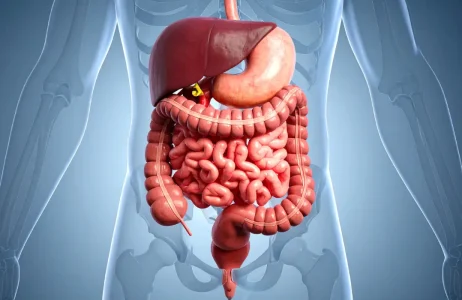
The liver performs over 500 vital functions: it metabolizes nutrients, synthesizes proteins, regulates cholesterol, and eliminates toxins. Its natural regenerative capacity is unique but can be compromised by chronic diseases such as non-alcoholic fatty liver disease (NAFLD), chronic hepatitis, or cirrhosis.
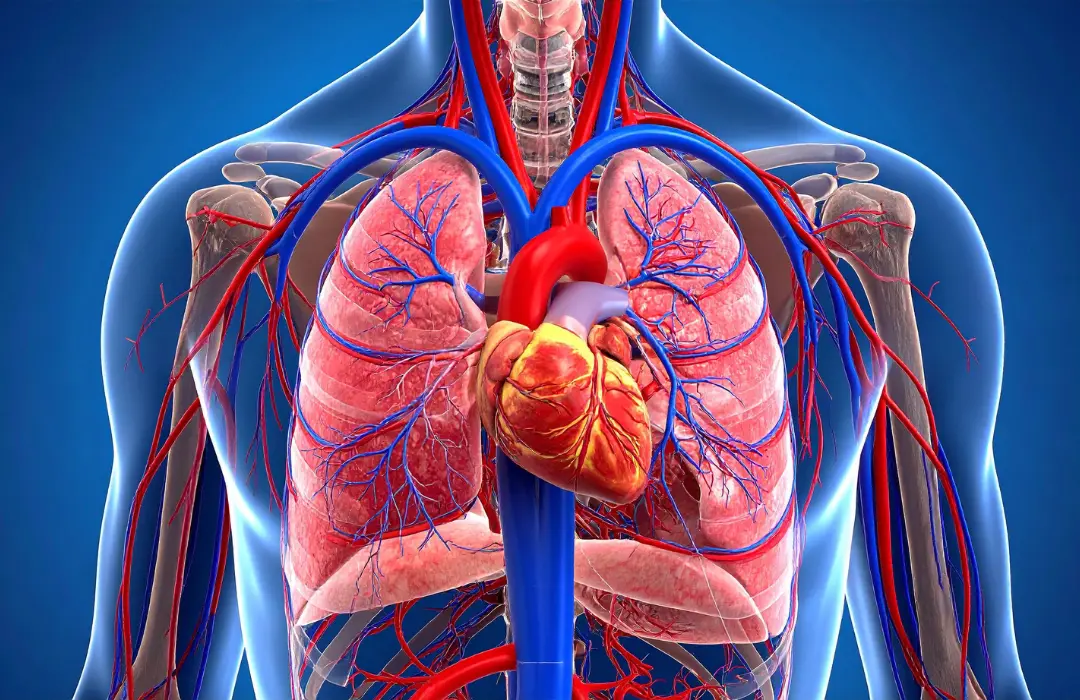
Meanwhile, the cardiovascular system, composed of the heart and blood vessels, maintains bodily homeostasis. Diseases such as hypertension, atherosclerosis, and heart failure affect millions of people worldwide and are the leading cause of global mortality.
Both systems are closely related. In fact, cardiohepatic syndrome or fatty liver-associated heart disease are manifestations of a common inflammatory metabolic axis.
Regenerative medicine: a new therapeutic frontier
Regenerative medicine focuses on restoring organ and tissue function through advanced biological therapies. Mesenchymal stem cells (MSCs), derived from umbilical cord, bone marrow, or adipose tissue, possess three essential properties:
- Cellular regeneration: they stimulate the proliferation and differentiation of the affected organ’s own cells.
- Immunological modulation: they reduce chronic inflammation that damages tissues.
- Paracrine effect: they release exosomes and growth factors that promote tissue repair and angiogenesis.
These characteristics make MSCs and their derivatives (such as exosomes) a safe and effective therapeutic tool for liver and cardiovascular diseases.
Applications in liver health
1. Non-alcoholic fatty liver disease (NAFLD)
Fatty liver has become a silent epidemic associated with obesity, insulin resistance, and metabolic syndrome. Studies with umbilical MSCs have shown significant improvements in ALT, AST, and triglyceride levels, as well as reduced inflammation and liver fibrosis.
MSCs-derived exosomes also regulate hepatic macrophage activity and decrease oxidative stress, promoting natural liver regeneration.
2. Liver cirrhosis
Cirrhosis involves advanced fibrosis and functional loss of liver tissue. Clinical research shows that MSC infusion can improve liver function, increase serum albumin, and decrease bilirubin, leading to a better quality of life and delayed disease progression.
3. Hepatitis and toxic damage
In experimental models, MSCs show a potent antifibrotic and hepatoprotective effect, even against drug-induced damage or viral hepatitis. Their immunoregulatory action reduces inflammation without completely suppressing the immune response, an advantage over conventional immunosuppressants.
Applications in cardiovascular health
1. Acute myocardial infarction
The loss of cardiac tissue after an infarction is irreversible with traditional treatments. In contrast, MSCs can promote myocardial regeneration by releasing angiogenic factors (VEGF, HGF, IGF-1) and exosomes that stimulate the formation of new blood vessels and improve cardiac contractility.
Clinical trials in Circulation Research report a reduction in infarct size and improved ventricular ejection fraction after treatment with mesenchymal stem cells.
2. Peripheral ischemia and vascular disease
In patients with critical limb ischemia, regenerative medicine has been shown to stimulate neovascularization and reduce amputation. Exosomes, being smaller and easier to administer, show enormous potential as a non-invasive alternative.
3. Systemic inflammation and atherosclerosis
Atherosclerosis is a chronic inflammatory process of the arteries. MSC exosomes modulate endothelial function, reduce lipid deposition, and regulate pro-inflammatory cytokines, contributing to better vascular health and reduced cardiovascular risk.
Liver-heart connection: the metabolic and regenerative axis
The liver and heart are linked by a complex metabolic axis. An inflamed liver produces cytokines (such as TNF-α and IL-6) that promote insulin resistance, endothelial dysfunction, and atherogenesis. In turn, poor circulation reduces hepatic oxygenation, aggravating the injury.
Regenerative medicine can break this vicious cycle by:
- Reducing systemic inflammation.
- Promoting vascular repair.
- Fostering hepatocellular regeneration.
- Improving insulin sensitivity and lipid profile.
Thus, the balance between both organs is restored, benefiting the patient’s overall metabolic health.
Current scientific evidence
Various studies support this approach:
- Shi et al., 2021 (Stem Cell Research & Therapy): umbilical MSC infusion significantly reduced liver fibrosis and improved biochemical markers.
Mesenchymal Stem Cell Therapy for Ischemic Stroke: A Look at the Treatment Mechanism and Therapeutic Potential – PubMed - Zhao et al., 2022 (Circulation Research): MSC exosome administration after infarction decreased cardiomyocyte apoptosis and improved ventricular function.
Multifaceted Spatial and Functional Zoning of Cardiac Cells in the Adult Human Heart – PubMed - ClinicalTrials.gov: over 150 active clinical trials investigate regenerative therapies for liver and cardiovascular diseases, confirming their preliminary safety and efficacy.
These findings consolidate regenerative medicine as an advanced complementary therapy within modern medical practice.
Clinical perspective and safety
Regenerative therapies must be applied in certified medical settings, under the supervision of specialists in regenerative medicine, hepatology, or cardiology. Umbilical cord MSCs, in particular, are highly safe due to their low immunogenicity and high cellular expansion capacity, which prevents rejection or the need for immunosuppression.
Furthermore, their use is regulated by international standards that guarantee quality, traceability, and biosafety at each phase of the process, from procurement to clinical application.

Regenerative medicine represents a tangible hope for patients with liver and cardiovascular diseases. Its potential to reduce inflammation, promote tissue regeneration, and improve organ function opens a new horizon in personalized and preventive medicine.
The future points towards combined therapies with stem cells, exosomes, and regenerative serotherapy, which will allow for the safe and effective restoration of the body’s biological balance.

At America Cell Bank, we work with umbilical cord-derived mesenchymal stem cells, processed under international standards, to support treatments in liver, cardiovascular, and metabolic health.
Our commitment is to offer patients and physicians advanced, safe, and evidence-based therapeutic alternatives.
If you wish to learn more about how regenerative medicine can help improve your liver or cardiovascular health, contact us at America Cell Bank and receive personalized guidance from our specialists.