

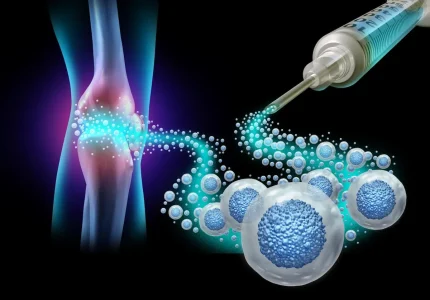
Joint pain is one of the leading causes of musculoskeletal disability worldwide. Conditions such as sports injuries, cartilage wear, aging, and degenerative diseases such as osteoarthritis can significantly compromise patients’ mobility and quality of life.
Traditionally, the management of these conditions has focused on controlling pain and inflammation. However, scientific advances have enabled the development of an innovative approach: regenerative medicine applied to joints.
This field seeks to stimulate the natural biological mechanisms involved in tissue repair, with the aim of improving the joint’s microenvironment and supporting functional recovery.
At America Cell Bank, we work on the development and implementation of biotechnology platforms focused on regenerative medicine, integrating specialized scientific infrastructure, standardized protocols, and quality control at every stage of the process.
Why do joints wear out?
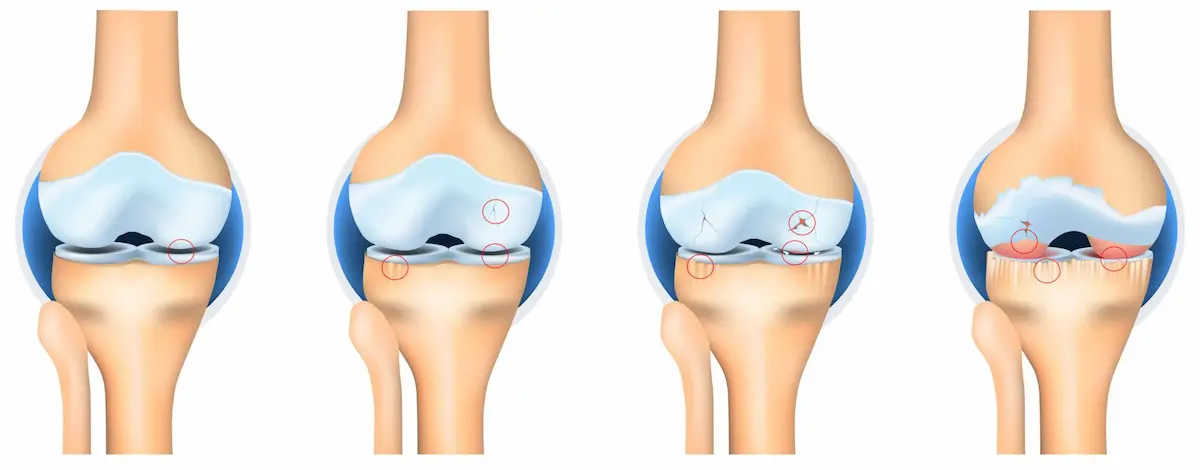
Joints are made up of complex structures that include cartilage, ligaments, the synovial membrane, and synovial fluid. Cartilage plays a fundamental role by allowing smooth gliding between bone surfaces and acting as a shock absorber against mechanical loads.
Various factors can contribute to its deterioration:
- Biological aging
- Sports injuries
- Repetitive movements
- Mechanical overload
- Chronic inflammatory processes
When cartilage degrades, joint biomechanics are altered, which can cause pain, stiffness, inflammation, and functional limitation.
The cartilage challenge: a tissue with limited regenerative capacity
One of the main challenges in treating joint conditions lies in cartilage’s low regenerative capacity, largely attributed to its limited vascularization (Sophia Fox et al., 2009).
In this context, modern medicine has directed its efforts toward developing strategies that enhance the body’s natural tissue repair processes.
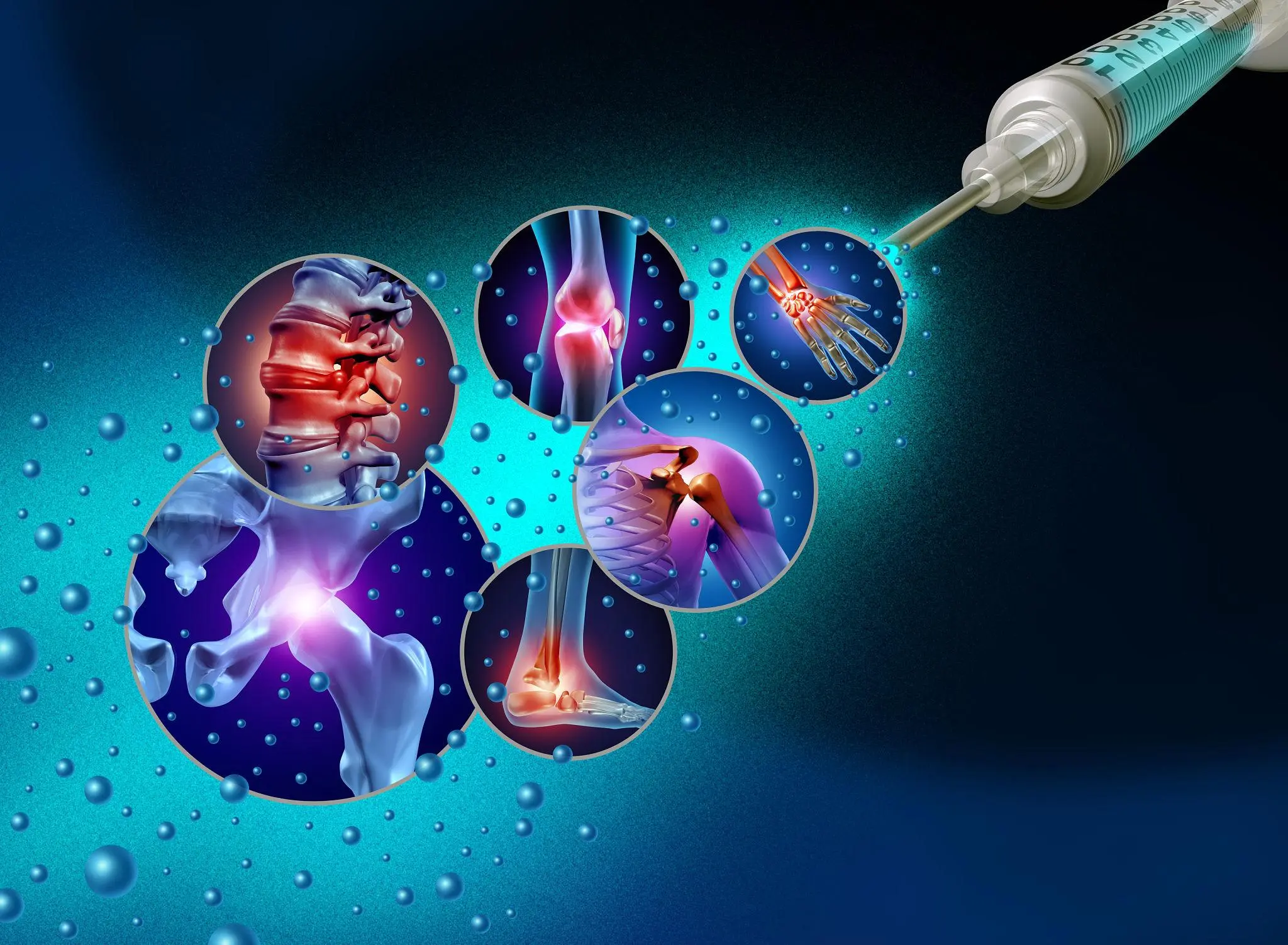
The role of regenerative medicine in joint health
Regenerative medicine focuses on modulating key biological processes involved in tissue repair. In the joint context, these therapies may help to:
- Optimize the intra-articular biological environment
- Support tissue repair processes
- Modulate the inflammatory response
- Promote functional recovery
The use of cellular and biological therapies has shown promising results in the treatment of musculoskeletal conditions (Barry & Murphy, 2013; Caplan, 2017).
Therapeutic strategies in regenerative medicine
There are various tools within regenerative medicine that can be used depending on the individual clinical assessment:
Cell therapies
Mesenchymal stem cells (MSCs) have been widely studied for their immunomodulatory capacity and their role in tissue repair through paracrine mechanisms (Caplan, 2017).
At America Cell Bank, we develop standardized processes for the isolation, expansion, and characterization of mesenchymal cells under controlled conditions, ensuring traceability and quality at every stage.
Platelet-rich plasma (PRP)
PRP uses growth factors derived from the patient’s autologous blood to stimulate tissue repair processes (Marx, 2004).
Exosomes
Exosomes are extracellular vesicles involved in intercellular communication, capable of transporting proteins, lipids, and genetic material. They have been associated with tissue regeneration processes, angiogenesis, and modulation of inflammation (Phinney & Pittenger, 2017). Peptides and biological molecules
Current research also explores the role of different molecules that may participate in cellular communication and tissue regeneration.
Joint problems that can be addressed with regenerative medicine
Regenerative therapies are increasingly used in the management of different musculoskeletal conditions, including:
- Cartilage wear
- Arthrosis or osteoarthritis
- Sports injuries
- Ligament damage
- Tendinitis
- Chronic joint pain
Each case requires an individual medical evaluation to determine the most appropriate therapeutic approach.
Treating joint injuries often requires combining different medical strategies.
For this reason, regenerative medicine is often integrated with other areas such as:
- Rehabilitation
- Physiotherapy
- Sports medicine
- Inflammation control
- Metabolic optimization
The future of joint treatment
Advances in regenerative medicine are transforming the approach to musculoskeletal diseases. As scientific evidence continues to evolve, new strategies are emerging aimed at enhancing the body’s natural repair mechanisms.
At America Cell Bank, we continue to strengthen the development of biotechnology solutions that contribute to the safe, evidence-based clinical application of these therapies.
Regenerative medicine is thus positioned as one of the most promising areas in the management of joint pain and musculoskeletal injuries.
References
- Barry, F., & Murphy, M. (2013). Mesenchymal stem cells in joint disease and repair. Nature Reviews Rheumatology.
- Caplan, A. I. (2017). Mesenchymal stem cells: time to change the name! Stem Cells Translational Medicine.
- Marx, R. E. (2004). Platelet-rich plasma: evidence to support its use. Journal of Oral and Maxillofacial Surgery.
- Phinney, D. G., & Pittenger, M. F. (2017). Concise Review: MSC-derived exosomes for cell-free therapy. Stem Cells.
- Sophia Fox, A. J., Bedi, A., & Rodeo, S. A. (2009). The basic science of articular cartilage. Sports Health.