Week 27 of Pregnancy: Sleep Problems and How to Prepare for Childbirth
World
Motherhood

Week 27 marks the end of the second trimester and the beginning of the final stretch of pregnancy. At this stage, the baby continues to grow rapidly and their organs continue to mature, preparing for life outside the womb.
For the mother, this week may bring new physical and emotional changes. The uterus continues to expand, which can cause discomforts such as back pain, leg cramps, and fatigue.
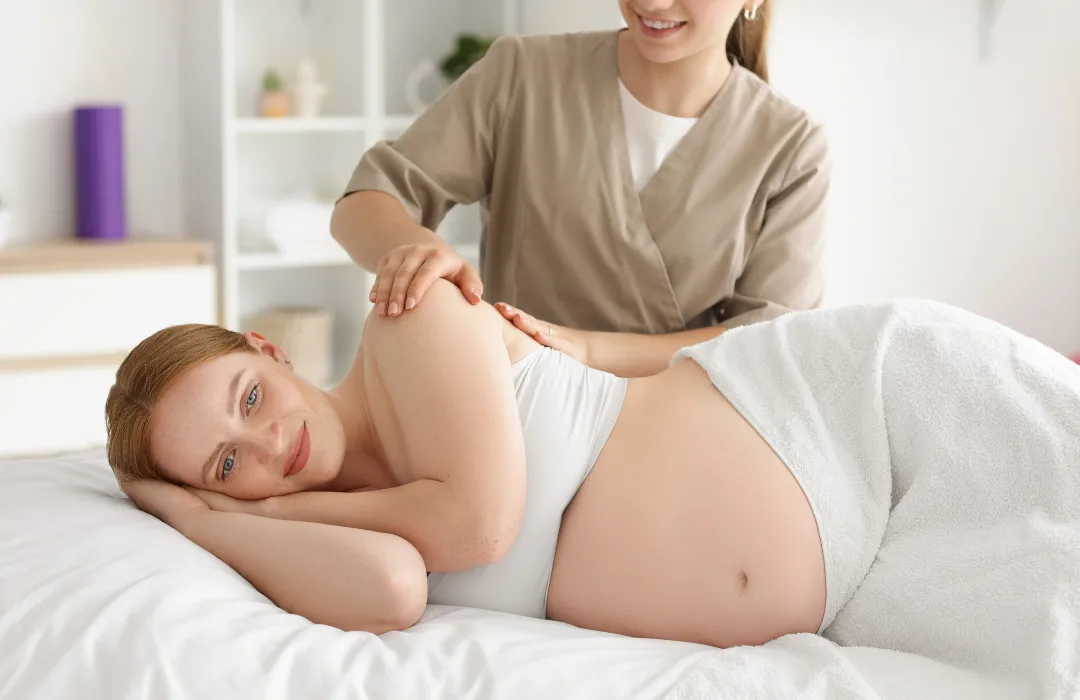
In week 27, the baby measures approximately 36 centimeters from head to toe and weighs around 900 grams to 1 kilogram, similar to the size of a cauliflower.
Baby Changes and Development
Increase Iron Intake
Blood volume continues to increase, so it is key to consume iron-rich foods to prevent anemia:
Lean meats (chicken, turkey, beef)
Legumes (lentils, chickpeas, beans)
Green leafy vegetables (spinach, chard, broccoli)
Nuts (almonds, walnuts)
It is recommended to combine these foods with sources of vitamin C (orange, strawberries, kiwi) to improve iron absorption.
Include Sufficient Calcium
The baby needs calcium to strengthen their developing bones and teeth. Recommended sources:
Dairy (milk, yogurt, cheese)
Almonds
Broccoli
Tofu
Ensure Good Protein Intake
Proteins help with the baby’s growth and the formation of their tissues. It is recommended to consume:
Chicken, fish, and eggs
Legumes
Nuts and seeds

Consume Healthy Fats
Healthy fats support the baby’s brain development and help maintain optimal energy levels:
Avocado
Olive oil
Fatty fish (salmon, sardines)
Nuts
Increase Fiber and Hydration
Constipation is common at this stage, so fiber should be included in the diet and enough water should be consumed:
Fresh fruits and vegetables
Whole grains (oats, brown rice, whole-wheat bread)
Legumes
Avoid Ultra-processed and High-sugar Foods
It is recommended to reduce the consumption of refined sugars, white flours, and processed foods to prevent excessive weight gain and gestational diabetes.

Improves Mood
Exercise stimulates the production of endorphins, promoting a sense of well-being and reducing symptoms of anxiety and depression.
Helps Regulate Intestinal Transit
Physical activity promotes bowel movement, reducing the risk of constipation, a common problem in the third trimester.
Recommended Exercises:
Daily walks of 20 to 30 minutes
Prenatal yoga
Swimming
Kegel exercises to strengthen the pelvic floor
Gentle stretching
Improves Circulation and Prevents Swelling
Exercise promotes blood flow, which helps reduce swelling in the legs and feet, as well as decreasing the risk of developing varicose veins.
Decreases Back Pain
Stretching routines, prenatal yoga, and muscle-strengthening exercises help relieve pressure on the lower back and improve posture.
Supports Weight Control
Exercise contributes to maintaining healthy weight gain, reducing the risk of complications such as gestational diabetes and hypertension.
Helps Improve Sleep
Staying active helps reduce stress and anxiety, which promotes deeper and more restorative rest.
Facilitates Labor
Low-impact exercises strengthen the pelvic floor muscles and improve physical endurance, which can help lead to a smoother labor with fewer complications.
Avoid Carrying Heavy Objects
Lifting excessive weight can put pressure on the back and abdomen, increasing the risk of injury or premature contractions.
Do Not Stand or Sit for Long Periods Without Moving
Spending long periods in the same position can affect circulation and increase swelling in the legs and feet. It is recommended to move every so often and elevate the legs when possible.
Do Not Consume Raw or Undercooked Foods
To prevent infections such as toxoplasmosis or listeriosis, it is essential to avoid:
Raw meats, fish, or shellfish
Undercooked eggs
Unpasteurized dairy
Cold cuts and deli meats without prior heating
Do Not Sleep on Your Back
At this stage, sleeping on your back can compress the inferior vena cava, which can cause dizziness and affect the baby’s circulation. It is recommended to sleep on your side, preferably on the left side.
Avoid high-impact exercises or those with a risk of falling
Sports such as running, jumping, skiing, or cycling on uneven terrain can increase the risk of falls or blows to the abdomen.
Do not self-medicate
Any medication, supplement, or treatment must be authorized by a doctor, as some can be harmful to the baby.
Do Not Expose Yourself to Extreme Temperatures
Saunas, hot tubs, or very hot baths can raise body temperature and affect the baby’s development.
Avoid Excessive Stress
Anxiety and stress can affect maternal and fetal well-being. It is recommended to practice relaxation techniques such as deep breathing, yoga, or meditation.
Yes, as the uterus continues to grow, there may be an increased sensation of pressure in the lower abdomen. It is also possible to feel more heaviness in the pelvis due to the baby's weight.
At this stage, the baby is more active and their movements are more evident. They may react to sounds, changes in position, or even certain foods you consume.
Movements are not always constant, but if you notice a significant decrease, it is advisable to lie on your side, drink cold water, or eat something sweet to stimulate them. If you do not feel movements for several hours, consult your doctor.
Cramps are common due to pressure on the nerves and changes in circulation. You can prevent them by staying well-hydrated, stretching your legs before bed, and consuming foods rich in magnesium and potassium.
The growth of the uterus can press against the lungs and make deep breathing difficult. It is normal to feel a bit short of breath, but if the lack of air is severe or accompanied by chest pain, consult a doctor.
In most cases, traveling by plane is safe until week 36, but some airlines may require medical authorization after week 28. It is advisable to walk during the flight and use compression stockings to improve circulation.
Braxton Hicks contractions are irregular, do not increase in intensity, and usually disappear when changing position. If contractions are painful, regular, and become stronger, consult your doctor.
Yes, in a pregnancy without complications, sexual relations are safe. However, if there is placenta previa, risk of premature labor, or other medical indications, it is best to consult with your gynecologist.